What Is Trace in Soapmaking? A Simple Handmade Soap Process Guide
-
Posted by
Allison Savino

In soapmaking, “trace” sounds like a mysterious laboratory checkpoint. In practice, it describes a visible change in soap batter: the oils and lye solution have formed a stable mixture, and the batter begins to thicken enough to leave a faint trail across its surface.
Trace matters because it helps a maker decide when the batter is ready for color, scent, texture, and pouring. It is not one frozen moment, however. Soap batter can move from very fluid to pudding-thick, giving the maker different options along the way.
What Is Trace in Soapmaking?
Trace is the stage when mixed soap batter has emulsified and started to show noticeable thickening. If a small ribbon of batter is drizzled over the surface, it may remain visible briefly before sinking back into the mixture. That fleeting line is the “trace” that gives the stage its name.
The batter does not need to hold a dramatic ridge to be ready. Experienced soapmakers often work at a light trace, when the mixture is still fluid and easy to pour. Others continue blending toward a medium or thick trace for designs that need more structure.
Trace belongs to the broader cold-process method. For the full sequence—from measured oils to bars ready for regular use—start with Plumera’s guide to cold-process handmade soap.
Emulsion vs. Trace: What Is the Difference?
Emulsion happens when the oil and water-based portions of the formula are blended into a unified mixture that no longer shows obvious separation. Trace comes just after or alongside that stable emulsion as the batter develops enough thickness to leave a visible mark.
The difference can be subtle. A very light trace may look almost as fluid as a simple emulsion, especially in a slow-moving formula. Soapmakers learn to watch the sheen, texture, and behavior of the batter rather than relying on one dramatic visual test.
This distinction is useful during detailed designs. A fluid batter offers more time for dividing colors, creating fine swirls, or pouring several layers. Waiting too long can make those steps more difficult because the mixture may continue to thicken while the design is assembled.
The Three Common Trace Stages
Soapmakers often describe trace as light, medium, or thick. These are practical studio terms rather than exact measurements, and the boundaries between them are gradual.
Light Trace
At light trace, the batter has a thin, pourable consistency. A drizzled line appears briefly, then settles into the surface. This stage can suit fine swirls, multiple colors, and designs that need the mixture to flow easily through the mold.
Medium Trace
Medium trace resembles a smooth custard or light pudding. Trails remain visible longer, and poured sections hold more definition. Makers may choose this stage for simple layers, centered pours, or designs that need a little more control without becoming stiff.
Thick Trace
At thick trace, the batter can hold pronounced ridges and peaks. It may be spooned or pressed into a mold rather than poured in a thin stream. This consistency can support textured tops or intentionally structured designs, but it leaves less time for intricate movement.
None of these stages is automatically better. The useful stage depends on the formula, design, additives, scent plan, and how the maker wants the finished loaf to look.
What Changes How Quickly Soap Reaches Trace?
Trace does not arrive on the same schedule in every batch. Several parts of the formula and process can make the batter move more slowly or quickly.
- The blend of oils and fats: different formulas develop structure at different rates.
- Ingredient temperature: warmer or cooler working conditions can change the pace and texture of the mixture.
- Mixing method: short pulses with a stick blender build thickness faster than gentle hand stirring alone.
- Scent materials: some essential-oil or fragrance blends allow plenty of working time, while others can speed up thickening.
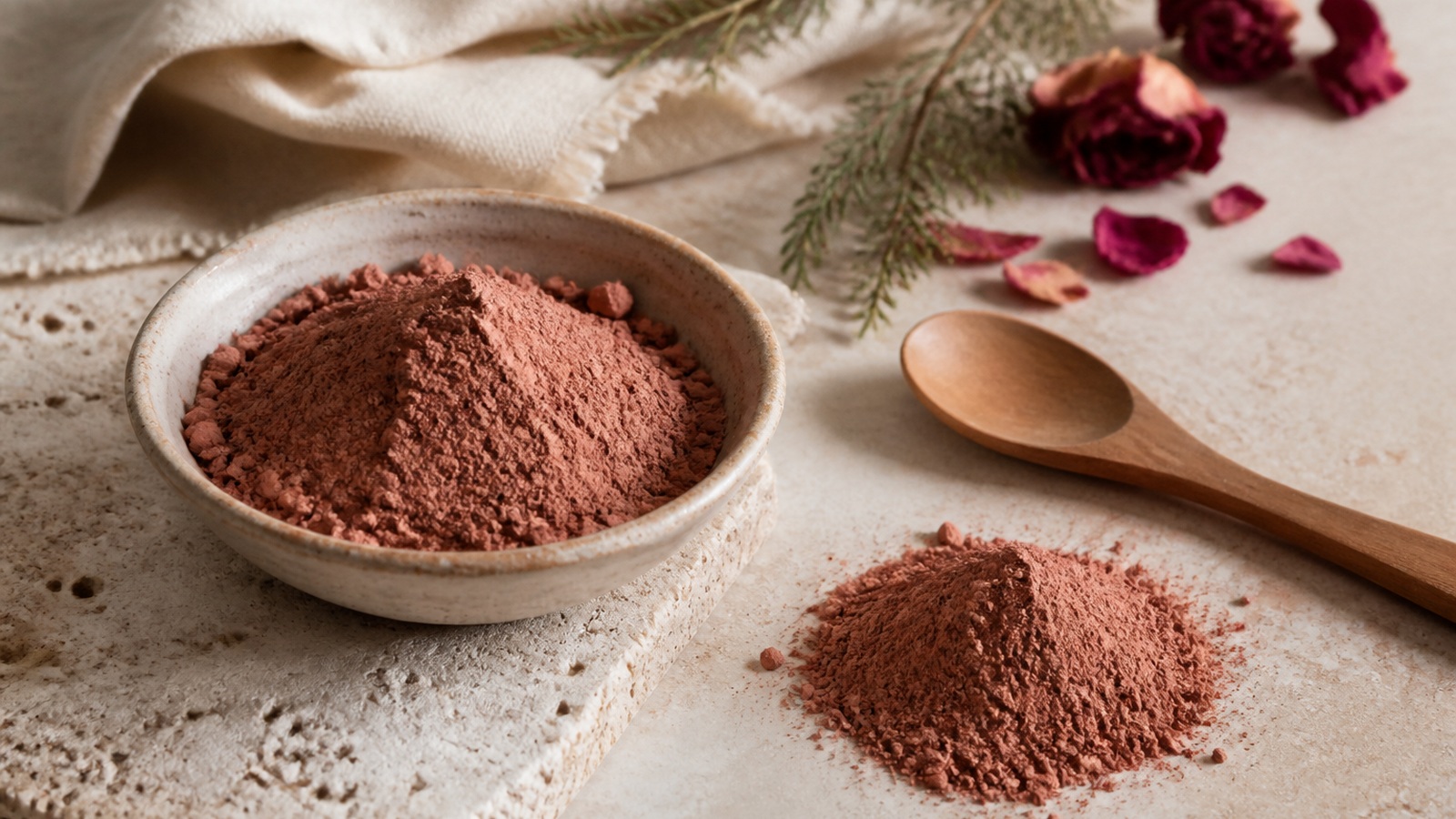
- Clays and powders: dry additions can change how the batter feels and moves.
- Batch design: dividing, coloring, and layering the batter adds time while the mixture continues to develop.
This is why a maker prepares colors, molds, and tools before mixing begins. Once the batter is moving, the loaf is not particularly interested in waiting for someone to find the missing spatula.
Why Do Soapmakers Pour at Different Trace Levels?
The intended design often determines the best pouring point. A fine swirl needs fluid movement, so the maker may divide and pour at a light trace. A clean layer may benefit from a little more thickness, helping one section sit above another with greater definition.
A simple single-color loaf offers more flexibility. It may be poured soon after light trace or allowed to thicken for a textured top. The decision is less about one correct appearance and more about matching the batter’s consistency to the planned design.
After pouring, the loaf continues through other stages before cutting and resting. One possible step is gel phase in handmade soap, a warm stage that can influence the finished color and appearance of a batch.
Does More Trace Mean Better Soap?
No. A thicker batter does not make the finished bar more luxurious, more useful, or more carefully made. Trace is a process cue, not a quality score.
The complete formula, accurate measurements, ingredient handling, production practice, and resting time all matter. Two makers can pour at different trace levels and still create thoughtful bars because their recipes and design goals are different.
It is also normal for hand-poured bars to show small visual differences. A swirl can travel through a loaf at changing angles, and one cut may reveal more contrast than the next. Trace helps shape that movement, but it does not turn handmade design into perfect repetition.
What Shoppers Can Learn From Trace
You do not need to identify trace from a finished bar to choose soap well. The value of understanding the term is seeing how timing and texture influence handcrafted design.
When a product page mentions swirls, layers, textured tops, clays, or botanicals, those details were coordinated while the soap batter was still changing. A fluid pour might create fine movement; a thicker pour might create bold sections or a sculpted surface.
That behind-the-scenes knowledge makes natural variation easier to appreciate. The bars belong to one measured formula and design, but each cut captures a slightly different view of the loaf.
A Small Process Cue With a Big Design Role
Trace is simply the point where emulsified soap batter begins to show its growing structure. Light, medium, and thick trace give makers different kinds of control, from delicate swirls to defined layers and textured tops.
Explore Plumera’s handcrafted bar soap collection to see how color, texture, scent, and small-batch design come together in finished everyday bars.