What Is Murumuru Butter in Skincare? A Simple Ingredient Guide
- Posted by
Allison Savino

A new botanical name on a skincare label can make an everyday purchase feel like a research project. Murumuru butter is a good example: the name is unfamiliar to many shoppers, but its role is easier to understand when you focus on texture, the finished formula, and how you like your daily care to feel.
This guide explains what murumuru butter is, what to look for on a label, and how to think about it without turning one ingredient into your entire shopping strategy. As you browse richer-feeling products for the cooler months, a little ingredient knowledge can help you ask better questions.
What is murumuru butter?
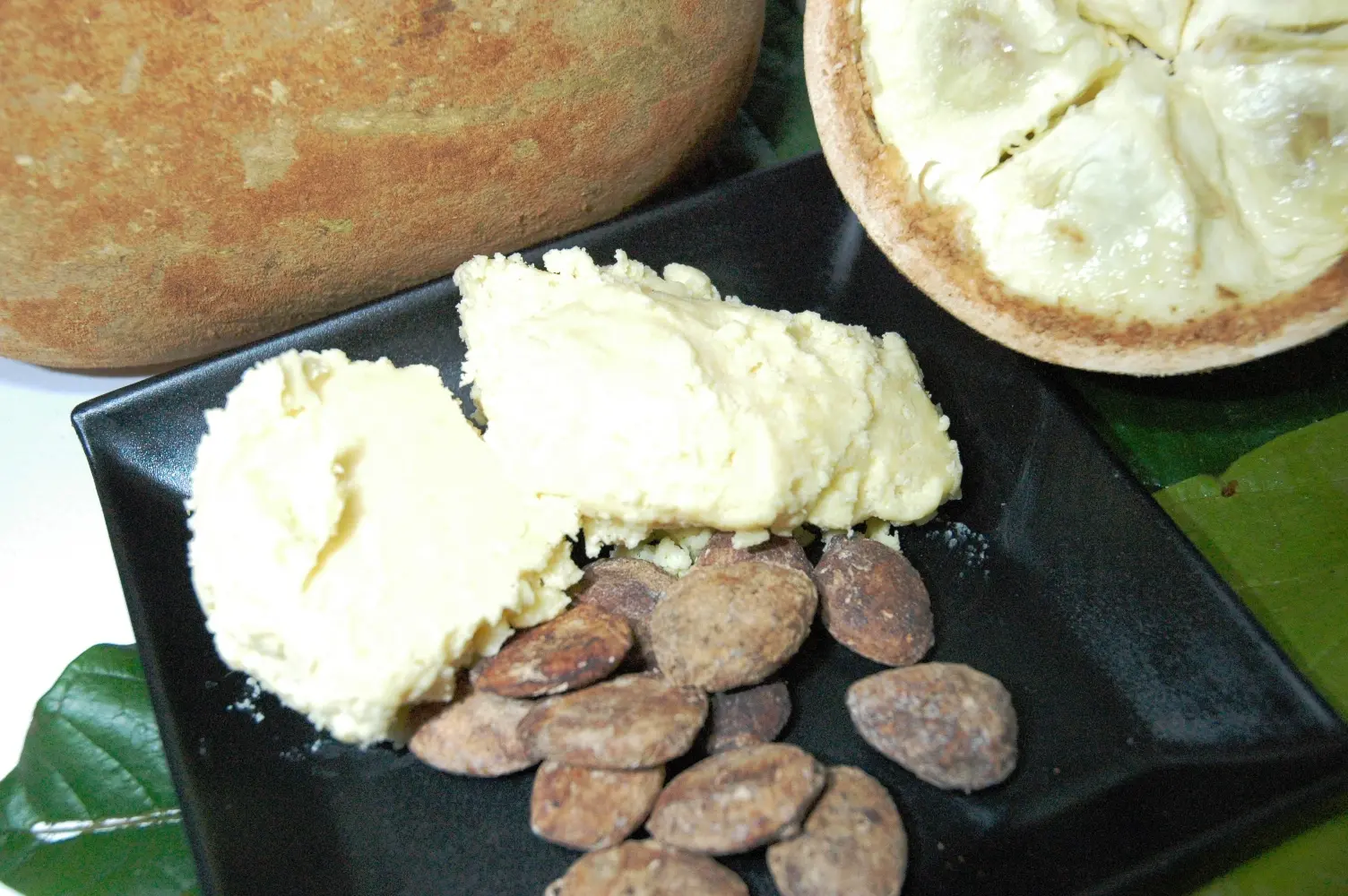
Murumuru butter is a plant-derived fat obtained from the seeds of the murumuru palm, Astrocaryum murumuru. Its cosmetic ingredient name is Astrocaryum Murumuru Seed Butter. MakingCosmetics identifies it as a solid cosmetic raw material and lists it for uses including creams, body butters, and lip balms. The supplier’s ingredient specification provides the botanical name and basic material details.
The useful distinction is between an ingredient and the product you actually buy. A tub of body butter, a lip balm, and a cream might all feature the same botanical name while offering very different experiences. Start with the product format, then use the ingredient list to learn more.
Why is murumuru butter used in skincare?
Cosmetic suppliers describe murumuru butter as an emollient: an ingredient used to help skin feel soft and smooth. O&3 lists it for body balms, body butters, lotions, and lip care. Those are formulation uses, not a promise about every finished product containing it. See O&3’s murumuru butter specifications for its ingredient identity and listed applications.
For shopping purposes, think in terms of the experience you want. Are you looking for something to use at your desk, something for your evening routine, or a compact format for your bag? That answer is more useful than deciding that every new product must contain a particular butter.
Texture is worth asking about
MakingCosmetics describes its murumuru butter as a waxy solid that melts on contact with skin. This is a description of that raw material, not a guarantee about the firmness or finish of a particular retail product. Keep that distinction in mind when a product description moves between an ingredient story and the experience of using the complete formula.
Before buying, look for practical descriptions such as firm, creamy, easy to spread, or rich-feeling. If the description leaves you guessing, ask the maker how the product feels when used as directed. You do not need a chemistry vocabulary to explain that you prefer a lighter finish or enjoy a more substantial balm.
How to read a murumuru butter label
Use a simple three-part check rather than judging the front label alone:
- Find the ingredient name. Look for Astrocaryum Murumuru Seed Butter in the full list, rather than relying only on a botanical illustration or a headline.
- Read the intended use. Choose a product labeled for the part of your routine you want to simplify.
- Check the practical details. Review the directions, size, packaging format, and scent description before adding it to your cart.
Write down any unanswered questions before you shop. “Is this a firm balm or a scoopable cream?” is a clear starting point. So is “Where can I read the complete ingredient list?” A useful product page should help you make a decision, not leave you collecting attractive words.
For a broader approach to evaluating a formula, explore our guide to looking beyond the number of skincare ingredients. Keep the complete product in view instead of viewing a single name as the whole story.
Choose for your routine, not just the ingredient trend
Try writing a one-sentence brief before shopping: “I want an easy-to-carry lip balm,” or “I want a body-care product I enjoy using after my evening shower.” Keep that brief beside you while comparing options. If a beautiful product does not fit it, you can admire it without bringing it home.
Give your existing favorites a fair place in the decision. If you already have a product you enjoy, learning about murumuru butter does not create an urgent need to replace it. Ingredient education should make shopping calmer, not add another requirement to the bathroom shelf.
You can browse Plumera’s balms and salves or everyday lip balm collection by the format you need. These links are category browsing suggestions, not a statement that those products contain murumuru butter. Check each individual product’s current ingredient list.
Questions worth asking before you buy
Does the product contain murumuru butter?
Read the current ingredient list and ask the maker if anything is unclear. Do not assume a product contains it because it appears beside an ingredient article or shares a similar botanical theme.
Is murumuru butter automatically the best choice?
There is no need to crown an ingredient a winner before deciding what you want from the finished product. Make your shortlist around clear information, a useful format, a scent you like, and a routine you can actually maintain.
What should I remember most?
Remember the ingredient name, then return to the everyday details. A thoughtfully chosen product should have a clear place in your routine. Let curiosity guide your reading, not dictate another purchase.
A simpler way to explore botanical skincare
Murumuru butter is one more botanical name you can now approach with confidence. The next step is modest: read one complete product description, check its ingredients, and decide whether the format fits your day. Beauty Through Simplicity starts with choices that make sense for you.
Featured photograph: Astrocaryum murumuru in Ecuador by Jens-Christian Svenning, via Wikimedia Commons/iNaturalist, CC BY 4.0. Original composition retained.