What Is Cupuaçu Butter in Skincare? A Simple Ingredient Guide
- Posted by
Allison Savino
A new botanical name can make a skincare label feel more complicated than it needs to be. Cupuaçu butter is a good example: unfamiliar at first glance, but easier to understand once you separate the plant, the ingredient, and the finished formula.
If you are browsing richer-feeling textures as the weather cools, this guide offers a practical introduction. The aim is not to add another must-have to your shelf. It is to help you recognize what cupuaçu butter is, ask useful questions, and decide whether a particular product fits the routine you already enjoy.
What is cupuaçu butter?
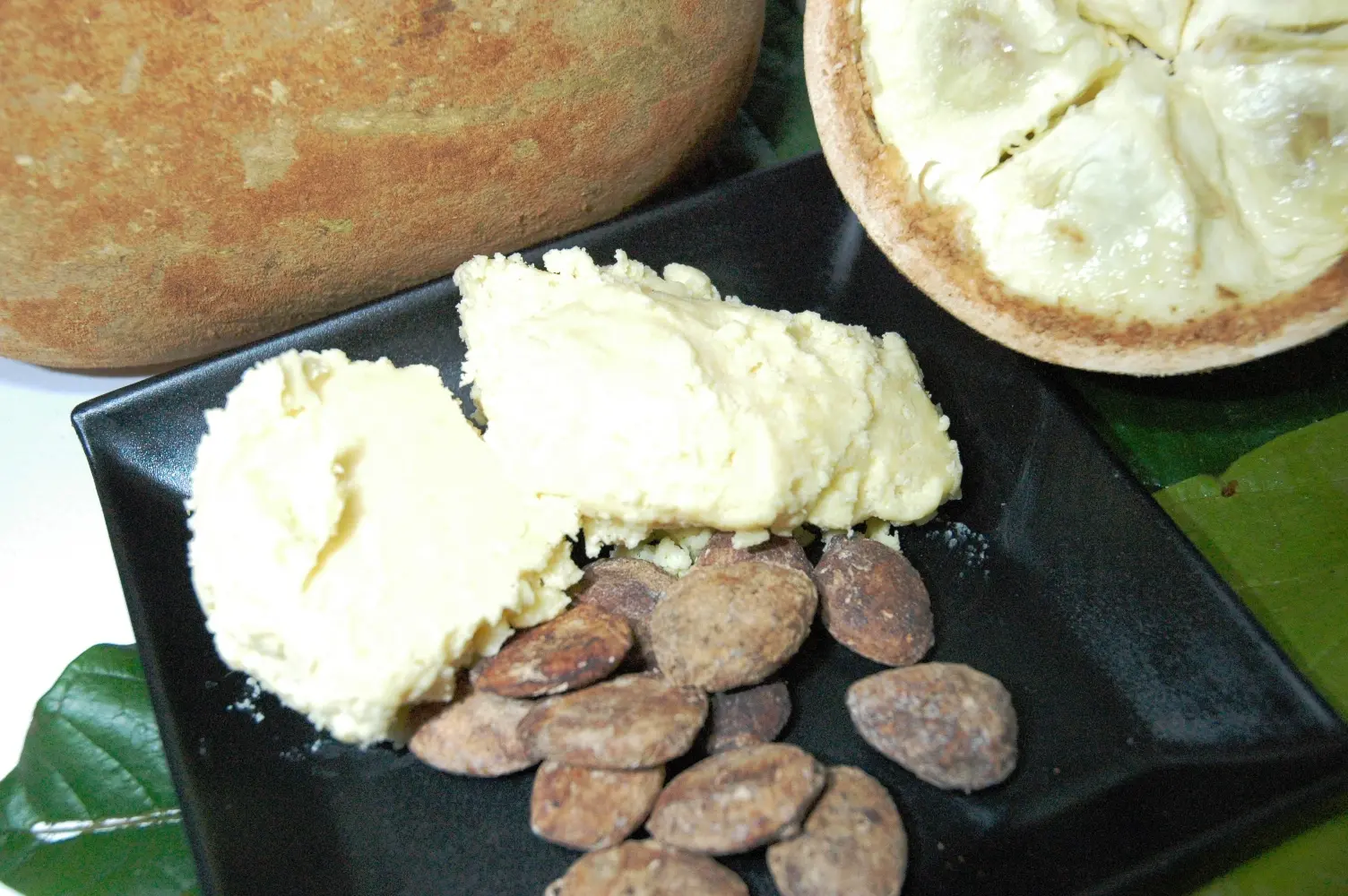
Cupuaçu butter comes from the seeds of Theobroma grandiflorum, the cupuaçu tree. On an ingredient list, look for Theobroma Grandiflorum Seed Butter. Ingredient manufacturer Clariant identifies the seed as the source and describes its cupuaçu butter as an emollient used in skin and hair products in its Beraca Cupuaçu Butter overview.
Here, “butter” refers to a plant-derived cosmetic fat, not dairy butter. Keep the seed butter distinct from the fruit’s pulp: a familiar fruit name does not mean every material from that fruit is the same ingredient. The full name is the useful clue.
What does it contribute to skincare?
Its emollient role makes softening feel a useful starting point for understanding the ingredient. That is a cosmetic description, not a promise about every product that includes it. Clariant’s overview describes its particular ingredient; it does not establish the experience of every finished cupuaçu formula.
Think of those details as background, rather than a preview of exactly how a finished jar will feel. When shopping, look for the maker’s description of the complete product: is it intended to feel cushiony, light, silky, or substantial? Those are more useful comparisons than assuming one highlighted botanical tells the whole story.
Read the label in three small steps
1. Confirm the ingredient identity
Start with the complete ingredient list, not just the front label. Find the botanical name, then notice the words “seed butter.” If you would like a little more practice with this pattern, our guide to INCI and botanical ingredient names walks through plant, part, and preparation.
2. Identify the finished product
Next, ask what you are actually buying. A body cream, a solid balm, and a jar of raw ingredient are different purchasing decisions. Choose a finished product whose intended use and directions match what you want to do. This article is an ingredient introduction, not a recipe or an instruction to use raw butter in place of your usual skincare.
3. Look beyond the highlighted name
Read the texture description, scent information, packaging details, and directions together. If a detail matters to you and is missing, ask the maker rather than filling the gap with an assumption. A clear answer about the whole formula is worth more than a long list of impressive-sounding botanical names.
Compare textures without turning ingredients into a competition
It is tempting to ask whether cupuaçu butter is “better” than every other plant butter. Try a narrower question instead: does this particular product sound like something I will enjoy using?
Write down one thing you like about your current routine and one thing you would change. Perhaps you prefer a jar at home but a compact format for a bag. Perhaps you enjoy an unhurried application in the evening but want fewer steps before getting dressed. Use those preferences as your comparison criteria.
Keep your shortlist within the same intended use. If you are considering a balm, browse finished options such as Plumera’s Balms and Salves collection and review each item’s current details. This is a category comparison, not a statement that those products contain cupuaçu butter.
A small shopping checklist for cooler days
Before buying something new, answer these questions in a note on your phone or on a scrap of paper:
- What job is this purchase for? Name one everyday use rather than an entire new routine.
- Which texture do I actually enjoy? Describe the experience you want in ordinary words.
- What scent information do I need? Read the finished product’s description instead of guessing from its ingredient name.
- Will the packaging fit my space? Consider where you will keep it and how you prefer to dispense it.
- Am I replacing something or collecting something? Either can be intentional; the useful part is knowing which.
For a gift, use the recipient’s preferences rather than the novelty of the ingredient as your starting point. If you do not know their preferred texture or scent, ask before choosing. An interesting label is a conversation starter, not a substitute for knowing what someone enjoys.
Keep ingredient curiosity simple
You do not need to reorganize your bathroom around every botanical you discover. Cupuaçu butter can simply become one more name you recognize when reading a label. Save the full ingredient name, note what you want from a finished product, and leave yourself room to decide later.
This guide does not announce a new Plumera formula or suggest that cupuaçu butter is present in a specific Plumera product. For current ingredients, always consult the individual product page and label.
At Plumera Essentials, Beauty Through Simplicity starts with thoughtful choices. Explore the products that fit your actual day, ask a specific question when a detail is unclear, and let a useful routine matter more than a crowded shelf.
Photo: “Cupuaçu butter” by P. S. Sena, via Wikimedia Commons, licensed under CC BY-SA 4.0. Original photograph; no crop or color edits.