Moroccan Clay in Handmade Soap: A Simple Ingredient Guide
-
Posted by
Allison Savino
A clay-colored handmade soap bar can look beautifully simple, but the mineral behind that warm shade has a story of its own. Moroccan clay brings earthy color, fine texture, and a grounded ingredient character to small-batch soap—without asking your shower shelf to become a science project.
If you have spotted Moroccan clay on a soap label and wondered what it contributes, this guide keeps the answer practical. Here is what the ingredient is, how makers use it, what it can change in a finished bar, and how it differs from other familiar cosmetic clays.
What Is Moroccan Clay?
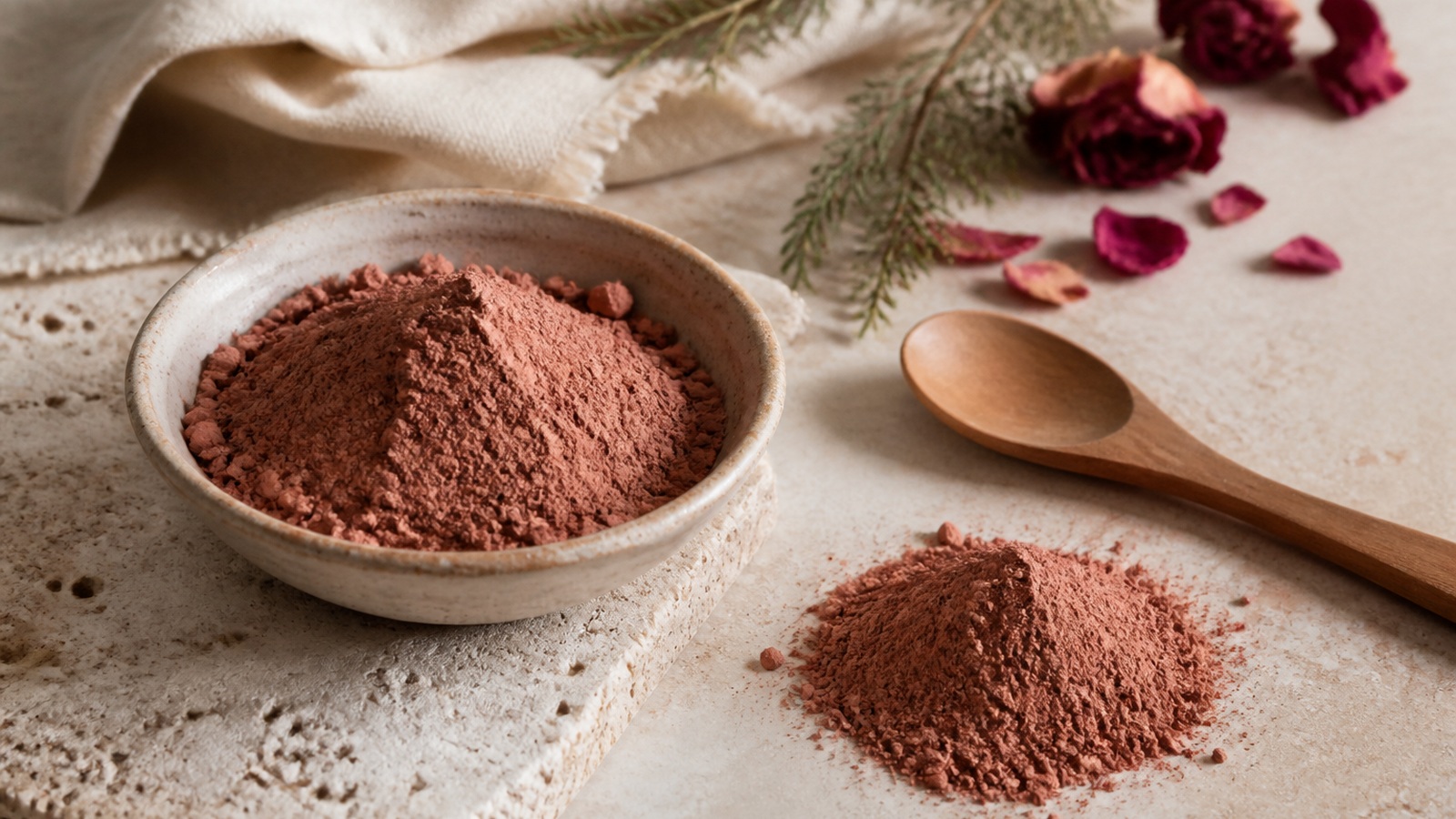
Moroccan clay is a naturally occurring mineral clay associated with deposits in Morocco. Depending on the supplier and mineral composition, it may be described as Moroccan red clay, rose clay, or ghassoul clay. Those names are sometimes used differently across the beauty industry, so the complete ingredient list and maker’s description are more useful than the color name alone.
In its dry form, the clay is a fine powder with an earthy tone that can range from muted beige and soft rose to deeper terracotta. When dispersed through a soap formula, it can give the bar a warm, natural-looking color and a subtle mineral character.
Because clay comes from the earth rather than a perfectly uniform color system, one batch may look slightly warmer or cooler than another. That variation is part of working with mineral ingredients.
Why Add Moroccan Clay to Handmade Soap?
Soapmakers choose ingredients for the way they work together. Moroccan clay is not there to carry the whole formula; it supports the bar’s appearance and sensory experience alongside oils, butters, scent materials, and the maker’s process.
It Creates Earthy, Natural Color
Moroccan clay can tint a soap in shades of rose, rust, tan, or warm brown. The final color depends on the clay itself, how much is used, the base oils, and any other colorants in the recipe. It is especially at home in woodsy, botanical, and spice-inspired designs.
The result often feels quieter than a bright cosmetic pigment. Think weathered terracotta rather than neon coral: warm, grounded, and easy to pair with a simple bathroom palette.
It Adds Fine Mineral Texture
Finely milled clay can contribute a smooth, softly textured feel to a bar. That does not mean every clay soap will feel identical. The amount used, the grind, and the rest of the formula all matter. A bar may feel silky and dense, while another may have more noticeable texture from pumice, botanicals, or other additions.
This is why the full ingredient story is worth reading. Clay is one part of the experience, not a shortcut for describing the entire bar.
It Supports Thoughtful Soap Design
Clay also gives makers a versatile design material. It can color a full batch, create a contrasting layer, or appear in a swirl beside a lighter section of soap. Its earthy hue works particularly well with cedar, citrus, floral, and herbal scent directions.
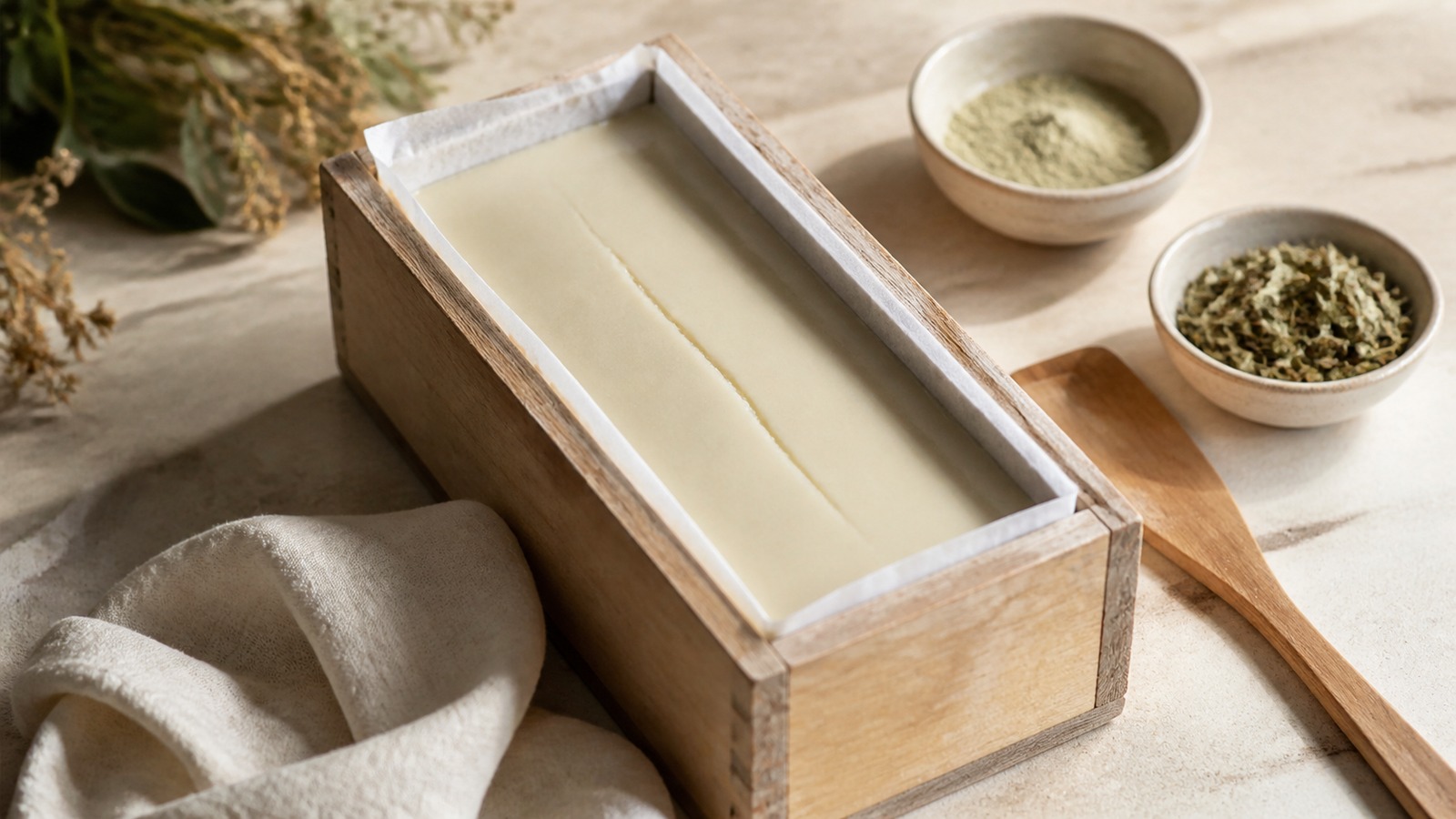
Small-batch design can vary slightly from bar to bar. One slice may show a broad clay-colored ribbon; the next may show a finer line. Both belong to the same handcrafted loaf.
Moroccan Clay vs. Kaolin Clay
Kaolin is another familiar mineral used in handmade soap, but it usually has a lighter visual presence. White kaolin can support pale, creamy colors, while rose or colored kaolin varieties bring softer mineral tones. Moroccan clay often reads warmer and earthier, especially when it leans red or terracotta.
Texture also depends on the grade, amount, and complete recipe, so color alone cannot tell you exactly how a bar will feel. For a closer look at the lighter side of the clay family, read Plumera’s guide to kaolin clay in handmade soap.
Neither clay is automatically “better.” The right choice depends on the maker’s formula, design, scent direction, and intended washing experience.
How Clay Fits Into a Balanced Soap Formula
A thoughtful handmade bar begins with a measured blend of fats and oils. Those ingredients create the foundation of the soap, while clay, scent, botanicals, and colorants shape its character. Adding more clay does not automatically make a bar more useful or more luxurious. Balance matters.
Soapmakers typically disperse clay carefully so it blends evenly and does not form dry pockets. They also account for how the powder affects the mixture during pouring. Clay can change how quickly a batch thickens, which is one reason timing and small-batch attention matter.
Once poured, cut, and allowed to rest, the finished bar brings all of those choices together. You experience one cohesive soap—not a checklist of separate ingredients.
A Plumera Example: Cedar Bergamot Natural Soap
Plumera’s Cedar Bergamot Natural Soap pairs Moroccan clay with kaolin clay, pumice, indigo, and blue oxide. Its bright bergamot, cedarwood, lavender, and ylang ylang scent profile gives the bar a fresh woodsy-citrus direction, while the mineral and textural additions make the ingredient story as interesting as the aroma.
The bar is approximately 3.5 ounces and has a textured lather from pumice. Moroccan clay is not the only detail doing the work; it belongs to a complete formula built from coconut, avocado, almond, and olive oils, mango seed butter, porcine tallow, and supporting ingredients.
That is a useful way to shop for any clay soap: consider the clay, then zoom out. Notice the scent, base formula, texture, size, care directions, and how the bar fits your routine.
How to Choose and Care for a Clay Soap
Start with scent and texture. If you enjoy grounded color and a bar with a little visual depth, Moroccan clay is an appealing detail. If you prefer a completely smooth bar, check whether the formula also contains pumice, seeds, oats, or other texture ingredients.
Then give the bar a dry place between uses. A well-draining dish allows water to move away from the soap so it can stay tidier and firmer on the sink or shower shelf. Keep unused bars in a cool, dry area until you are ready for them.
Finally, expect small visual differences. Mineral shade, swirl placement, and hand-cut edges can vary in a handcrafted batch. That individuality is part of the small-batch character—not a reason to demand that every bar pose for the same passport photo.
Earthy Color, Simple Routine
Moroccan clay gives handmade soap a warm mineral palette and another layer of tactile interest. Its value is not an oversized promise. It is the way color, texture, scent, and craft meet in one useful everyday bar.
Ready to explore more ingredient-led scent and texture combinations? Browse Plumera’s small-batch handmade bar soaps and choose the style that feels most at home in your routine.