What Is Candelilla Wax in Lip Balm? A Simple Ingredient Guide
- Posted by
Allison Savino
A lip balm can look wonderfully simple: a small tube, a short ingredient list, and an everyday place in your bag. Yet its texture comes from a careful balance. Oils contribute glide, butters add body, and wax helps the whole blend hold its shape. Candelilla wax is one plant-derived ingredient you may see doing that structural work.
If you are comparing lip balms as cooler-weather routines and holiday shopping begin, understanding the wax is more useful than judging the packaging alone. Here is what candelilla wax is, how it contributes to a finished balm, and what its name can—and cannot—tell you about a product.
What is candelilla wax?
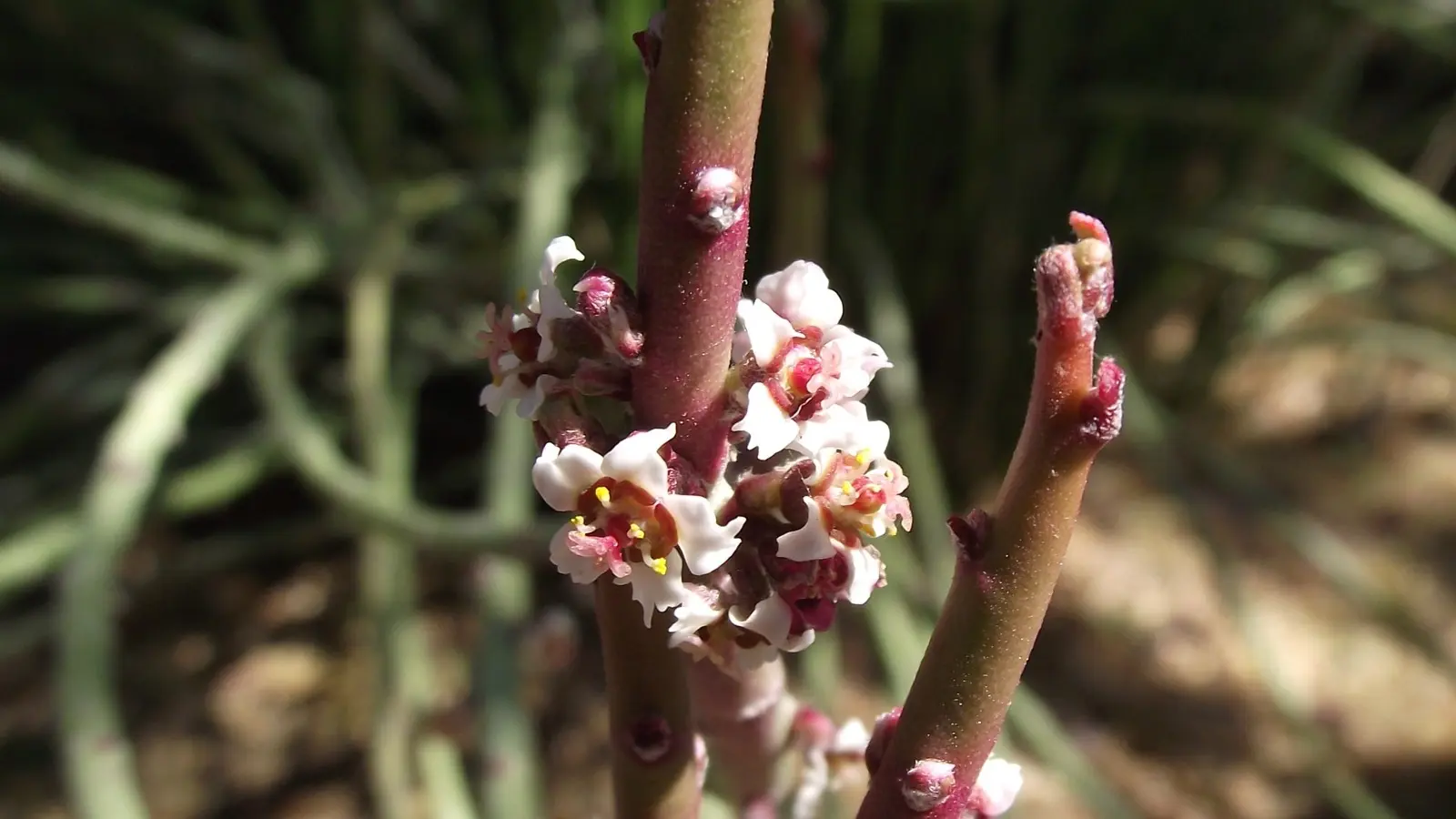
Candelilla wax is a vegetable wax obtained from the candelilla plant. In cosmetic ingredient lists, you may see it written as Euphorbia Cerifera (Candelilla) Wax or a closely related naming variation. The long botanical name identifies the ingredient; it does not mean the formula is necessarily complicated.
Its role is different from that of a liquid botanical oil. A wax contributes firmness and structure, while oils help determine how easily a balm spreads. In a finished formula, those ingredients work together rather than competing for the spotlight. Think of wax as part of the architecture, not the entire building.
This is general ingredient education, not an announcement of a new Plumera formula. An ingredient being discussed here does not mean it appears in every—or any particular—Plumera product. The current product label is the place to check.
Why is candelilla wax used in lip balm?
It helps give the blend body
A tube of lip balm needs a different consistency from a bottle of body oil. Wax helps turn a blend of softer ingredients into something more structured. Candelilla is used in cosmetic formulation as a thickening ingredient, making it useful when a maker wants a balm with enough body for its intended container.
That does not mean more wax automatically makes a better balm. A product that is pleasantly firm in one format might feel too resistant in another. The amount of wax, the other ingredients, and the package all influence the result.
It contributes to the finish
Candelilla wax can contribute gloss in lip products. The degree of shine still depends on the complete formula: a balm with this wax is not automatically a high-shine gloss, just as an oil-rich ingredient list does not tell you exactly how slippery the finished product will feel.
For shoppers, descriptions such as smooth, glossy, firm, or soft offer a starting point. Your preference might be a barely noticeable layer or a more substantial, conditioned feel. Neither preference requires an elaborate routine.
Candelilla wax vs. beeswax: what is the difference?
The clearest difference is origin. Candelilla wax comes from a plant; beeswax comes from bees. That distinction matters if you are choosing ingredients according to a preference for plant-derived materials.
However, the two names are not interchangeable descriptions of texture. Two balms containing different waxes may feel similar, while two balms using the same wax can feel quite different. Their oils, butters, proportions, and processing all play a part. A one-ingredient comparison is only the beginning.
Our guide to what beeswax does in natural lip balm offers a useful companion explanation. Reading both helps separate ingredient origin from the everyday question that matters most: do you enjoy using the finished balm?
Does candelilla wax make a lip balm vegan?
Candelilla wax itself is plant-derived, which is why it appears in many vegan cosmetic formulas. But finding it on a label does not establish that the entire product is vegan. Other ingredients need to be considered too.
Look for a clear product-level statement from the maker rather than making an assumption from one familiar botanical name. The same principle applies to wider sourcing or environmental claims. A plant-derived ingredient is one piece of information, not a complete account of harvesting, manufacturing, packaging, or transportation.
If a specific sourcing detail matters to you, ask the brand a specific question. A clear answer is more useful than a collection of attractive but undefined words.
How to compare lip balms without overthinking the wax
- Read the full ingredient list. Notice the wax alongside the oils, butters, and scent ingredients instead of evaluating it in isolation.
- Choose your preferred format. A twist-up tube and a pot offer different application experiences. Select what fits the way you actually use balm.
- Look for texture information. Descriptions of glide and finish are often more helpful than a single highlighted ingredient.
- Check the current product details. Confirm ingredients and directions on the item you are buying, especially when returning to a familiar product after a long break.
- Start with everyday usefulness. A balm you enjoy carrying and applying earns its place more readily than one chosen only for a fashionable ingredient.
When browsing Plumera’s lip balm collection, compare the current listings and labels rather than assuming the collection uses candelilla wax. Ingredient education should make shopping clearer, not put words on a label that are not there.
A small ingredient with a practical job
Candelilla wax is a useful example of how plant-derived ingredients can contribute to a cosmetic’s physical design. Its story is not only botanical; it is also about structure, texture, and the experience of using a finished product.
The takeaway is simple: recognize the name, understand its role, and keep reading the rest of the label. For your next balm, choose the formula and format that suit your everyday preferences. A thoughtful routine does not need more steps—just a little more clarity about the ones you already enjoy.