What Does Basil Smell Like? A Fresh, Herbal Scent Guide
- Posted by
Allison Savino
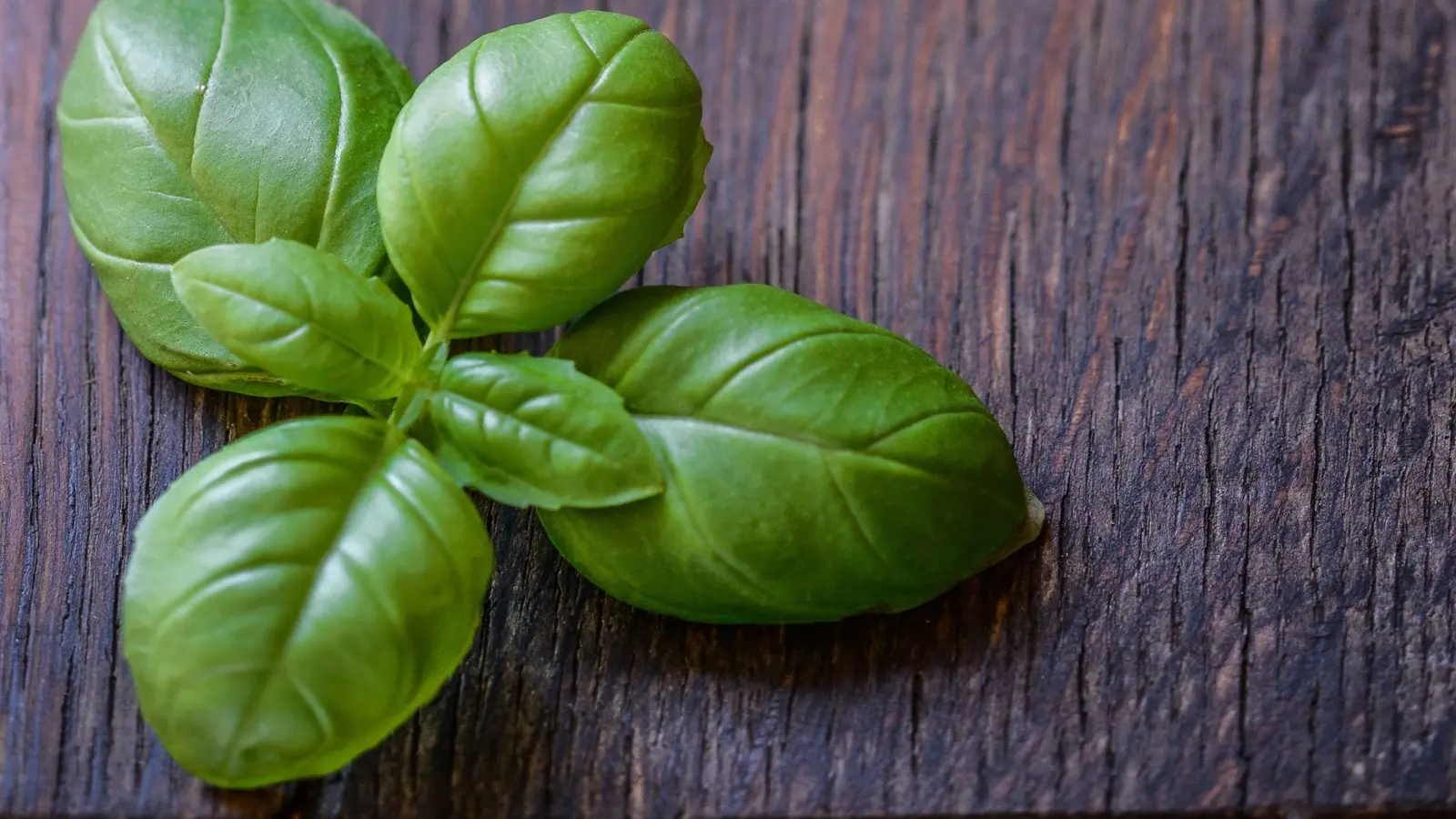
Basil smells green, leafy, and gently peppery, with a sweetness that can bring clove or anise to mind. It is familiar from the kitchen, but in a fragrance blend that same aromatic character can feel crisp and unexpectedly elegant. Think freshly picked herbs rather than a sugary dessert or a heavy bouquet.
If you are browsing botanical soap scents this November, basil offers a useful reference point. It helps explain the difference between an herbal fragrance and the citrus, mint, or woodland scents beside it. This guide explores the scent itself, not a new Plumera product announcement or a promise about what an ingredient will do for skin.
What Does Basil Smell Like?
The easiest way to describe basil is fresh greenery with a warm, spicy edge. The first impression is often bright and leafy. Underneath, you may notice a slightly sweet note, a peppery quality, or a suggestion of licorice. Which part stands out depends on the basil variety and the fragrance you are smelling.
Those descriptions are comparisons, not a list of ingredients. A basil fragrance described as clove-like does not necessarily contain clove. Likewise, an anise-like note does not mean a formula includes anise. Scent vocabulary gives your imagination a starting point; the ingredient list answers a different question.
Green does not mean grassy in every blend
In fragrance language, green can suggest leaves, stems, or a freshly cut garden. Basil usually has more aromatic warmth than plain grass. A blend can emphasize its leafy side for a crisp result or let its sweeter, spicier side become more noticeable.
Sweet does not necessarily mean sugary
The sweetness in basil is not automatically vanilla frosting or candy. It can be closer to the rounded sweetness of an herb leaf. If you tend to avoid dessert-inspired soap, a description that calls basil sweet is not, by itself, a reason to rule it out.
Why Different Basil Scents Can Smell Different
Basil is not one completely uniform aroma. Different varieties have distinct aromatic profiles: some lean toward clove-like warmth, others toward anise, and some have a lemony character. Growing conditions, harvest, and the aromatic material a maker chooses can also affect the result.
A finished fragrance adds another layer of variation. It may include a basil-derived aromatic ingredient, a composed basil note, or a broader herbal accord. The word basil on the front of a product is a scent clue, not a complete formula disclosure.
This is why smelling a fresh leaf is helpful but not definitive. The leaf can teach you the general direction, while a finished soap has its own balance. Do not expect every basil-themed bar to smell exactly like the plant on a windowsill.
Basil Compared With Other Familiar Herbal Scents
Basil vs. mint
Mint is often described as cool, sharp, and immediately recognizable. Basil tends to feel rounder, leafier, and warmer by comparison. A mint-and-basil blend might keep the bright herbal impression while adding a softer green background. The balance matters more than the names alone.
Basil vs. rosemary
Rosemary often suggests a drier, more needle-like or woody herb aroma. Basil can feel sweeter and more tender-leafed. Both can belong in an herbal fragrance family, but choosing one does not guarantee that you will enjoy every blend built around the other.
Basil vs. citrus
A lemon or lime description usually points toward peel-like brightness. Basil brings more of a garden-leaf impression. When combined, citrus can make an herbal blend feel more sparkling, while basil can give a straightforward citrus scent extra depth.
Which Scent Notes Pair Well With Basil?
There is no single correct pairing. In fragrance descriptions, basil often sits comfortably beside citrus, other herbs, or woods. Each combination changes the overall impression rather than simply adding another obvious smell.
- Citrus: Lemon, lime, or bergamot notes can emphasize a bright, crisp direction.
- Other herbs: Rosemary or lavender notes can build a fuller garden-inspired character.
- Woods: Cedar-like notes can make the blend feel drier and more grounded.
- Soft florals: A restrained floral note can round out an herbal blend without turning it into a large bouquet.
These are fragrance-reading examples, not instructions for mixing ingredients at home. For more vocabulary, Plumera’s guide to top, middle, and base notes in handmade soap explains how a scent description can suggest the structure of a blend.
How to Shop for an Herbal Soap Without Guessing
Start with the complete scent description rather than a single botanical name. Does the maker emphasize citrus, soft florals, warm woods, or a strong herbal character? Then consider what you already enjoy. Someone who loves leafy, less sugary fragrances may be interested in a basil direction, but personal preference still does the deciding.
Look separately at the ingredients, bar size, and care directions. A green-colored bar is not proof that it contains basil, and a leafy photograph does not tell you how strong the fragrance will be. Plumera’s guide to choosing a soap scent online offers a practical way to compare descriptions before ordering.
For a gift, lean on the recipient’s known preferences rather than assuming everyone likes herbal scents. If you cannot tell whether a blend is mostly citrus or mostly spicy greenery, asking the maker is more useful than decoding the name indefinitely.
A Fresh Botanical Direction for Everyday Care
Basil’s appeal is the contrast: leafy freshness with a little warmth underneath. During a season full of sweet and spiced scents, that green character can offer a different direction without requiring a completely new routine.
Use the vocabulary to browse Plumera’s handmade bar soap collection and compare the currently listed scent profiles. This article does not imply that a basil soap is available; it is a guide to recognizing an herbal note wherever you encounter it. Choose the aroma you enjoy, follow the finished product’s directions, and let everyday care stay simple.