What Does Tallow Do in Handmade Soap? A Simple Ingredient Guide
-
Posted by
Allison Savino
If you have ever read a handmade soap label and spotted tallow or sodium tallowate, you may have wondered what that ingredient actually does. It sounds old-fashioned because it is: tallow has a long history in traditional soapmaking. Yet its role is practical, not mysterious.
In a well-built formula, tallow can help create a firm bar, a creamy lather, and a satisfying everyday wash. It is one part of the recipe rather than the whole story. Here is a clear look at what tallow is, how soapmakers use it, and what to consider when choosing a bar.
What is tallow?
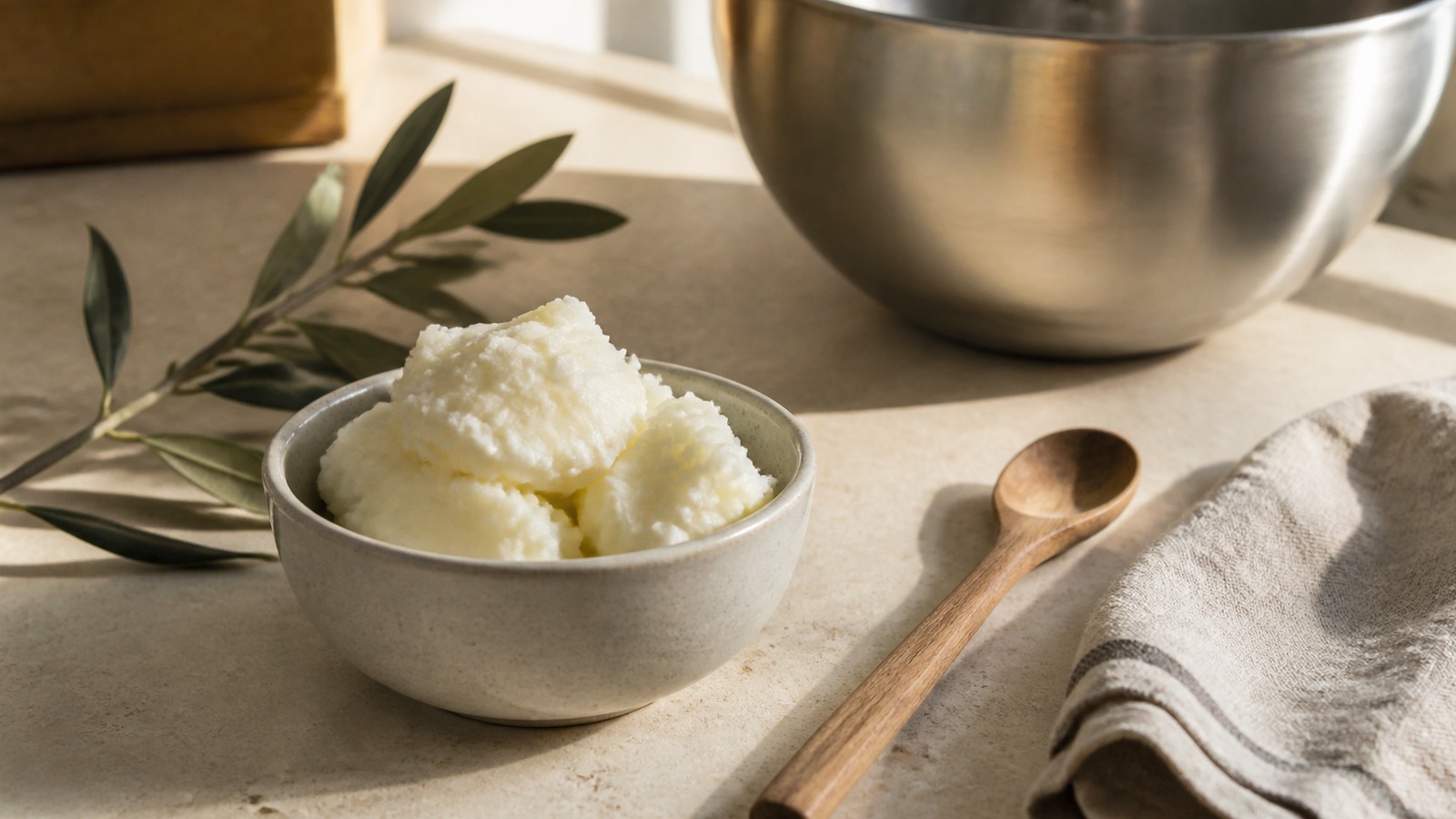
Tallow is purified, rendered animal fat, most commonly from cattle. Rendering gently separates the usable fat from moisture and other solids. The finished ingredient is typically pale, solid at room temperature, and mild in aroma when it has been prepared carefully.
For soapmaking, tallow is measured as part of the oil-and-fat blend. It is then combined with a carefully calculated lye solution. During saponification, the fats and lye transform into soap and naturally occurring glycerin. That chemistry is why a finished tallow soap bar is not simply solid animal fat pressed into a mold.
Why do soapmakers use tallow?
Every soapmaking oil or fat brings its own balance of fatty acids to a formula. Those fatty acids influence qualities such as hardness, lather style, and how quickly a wet bar softens between uses. Tallow is valued because it can contribute several useful characteristics at once.
1. It can help create a firmer bar
Tallow contains a substantial proportion of fatty acids that support bar hardness. A firmer handmade soap is easier to handle and can hold its shape well through regular sink-side or shower use. Storage still matters, of course: even a beautifully firm bar appreciates a draining dish and time to dry between washes.
2. It can support creamy, steady lather
Tallow is often associated with a dense, creamy style of lather rather than a mountain of oversized bubbles. Many makers pair it with oils that contribute more bubbly or fluffy lather, building a balanced washing experience through the full formula.
3. It works well in an oil blend
Thoughtful handmade soap rarely depends on one ingredient to do everything. A maker may combine tallow with coconut, olive, avocado, grapeseed, almond, or other oils, depending on the intended bar. Our guide to why handmade soap uses a blend of oils explains how those ingredients work as a team.
4. It reflects a traditional, resource-conscious approach
Some soapmakers value tallow because it makes practical use of a material that can be part of the food supply chain. Others prefer plant-only formulas for personal, cultural, or lifestyle reasons. Both approaches can be thoughtful. Clear labeling gives shoppers the information they need to choose according to their own values.
What does “sodium tallowate” mean on a soap label?
Sodium tallowate is the ingredient name commonly used for tallow after it has been saponified with sodium hydroxide. Depending on the labeling method, a handmade soap ingredient list may name the original oils and sodium hydroxide, or it may list the resulting soap ingredients.
This is one reason ingredient lists can look different even when two bars are made with a similar traditional process. If labels start to feel like a chemistry quiz you did not study for, our handmade soap ingredient-list guide offers a simple way to read them.
Is every handmade soap made with tallow?
No. Handmade soap can be made with animal-derived fats, plant oils, or a combination of the two. A vegan bar may rely on ingredients such as olive oil, coconut oil, shea butter, cocoa butter, or other plant-derived fats to build hardness and lather. A tallow-based bar may combine traditional animal fat with several plant oils.
The word handmade describes how the soap is produced, not one required ingredient philosophy. If a plant-only formula matters to you, check the complete ingredient list or ask the maker before buying. If you are comfortable with tallow, look beyond that single word and consider the formula as a whole.
How to choose a tallow soap thoughtfully
- Read the full ingredient list. Tallow may be one part of a broader blend, so notice the other oils, scent ingredients, colorants, and botanicals too.
- Choose a scent you will enjoy. A practical formula is even better when you look forward to using it.
- Consider your shopping values. Plant-only preferences, traditional ingredients, scent choices, and packaging all deserve a place in the decision.
- Follow the maker’s directions. Use the bar as labeled and let it drain and dry between washes.
- Expect small-batch character. Hand-cut bars can show slight differences in color, swirl, texture, or edge shape.
Does tallow determine how a soap will feel?
Not by itself. The amount of tallow, the other oils in the recipe, the water level, the maker’s process, and the resting time all influence the finished bar. Two soaps that both list tallow can have noticeably different lather, firmness, scent, and appearance.
That is why ingredient education works best as context rather than a scorecard. One familiar ingredient cannot tell you everything about the care behind a batch. The full formulation and the maker’s attention to detail matter more than a fashionable buzzword or a dramatic claim.
A traditional ingredient with a practical purpose
Tallow remains part of handmade soapmaking because it can help create a firm, long-wearing bar with creamy lather. It also shows how old-fashioned methods and modern ingredient transparency can sit comfortably together.
Whether you prefer tallow-based or plant-only formulas, the best choice is the one that fits your values, scent preferences, and daily routine. Explore Plumera Essentials’ collection of handcrafted bar soaps to compare colors, scent families, and small-batch styles without overcomplicating the decision.
Beauty Through Simplicity means giving every ingredient a clear job—and giving you enough information to choose with confidence.