What Does Cypress Smell Like? A Green, Woody Scent Guide
- Posted by
Allison Savino
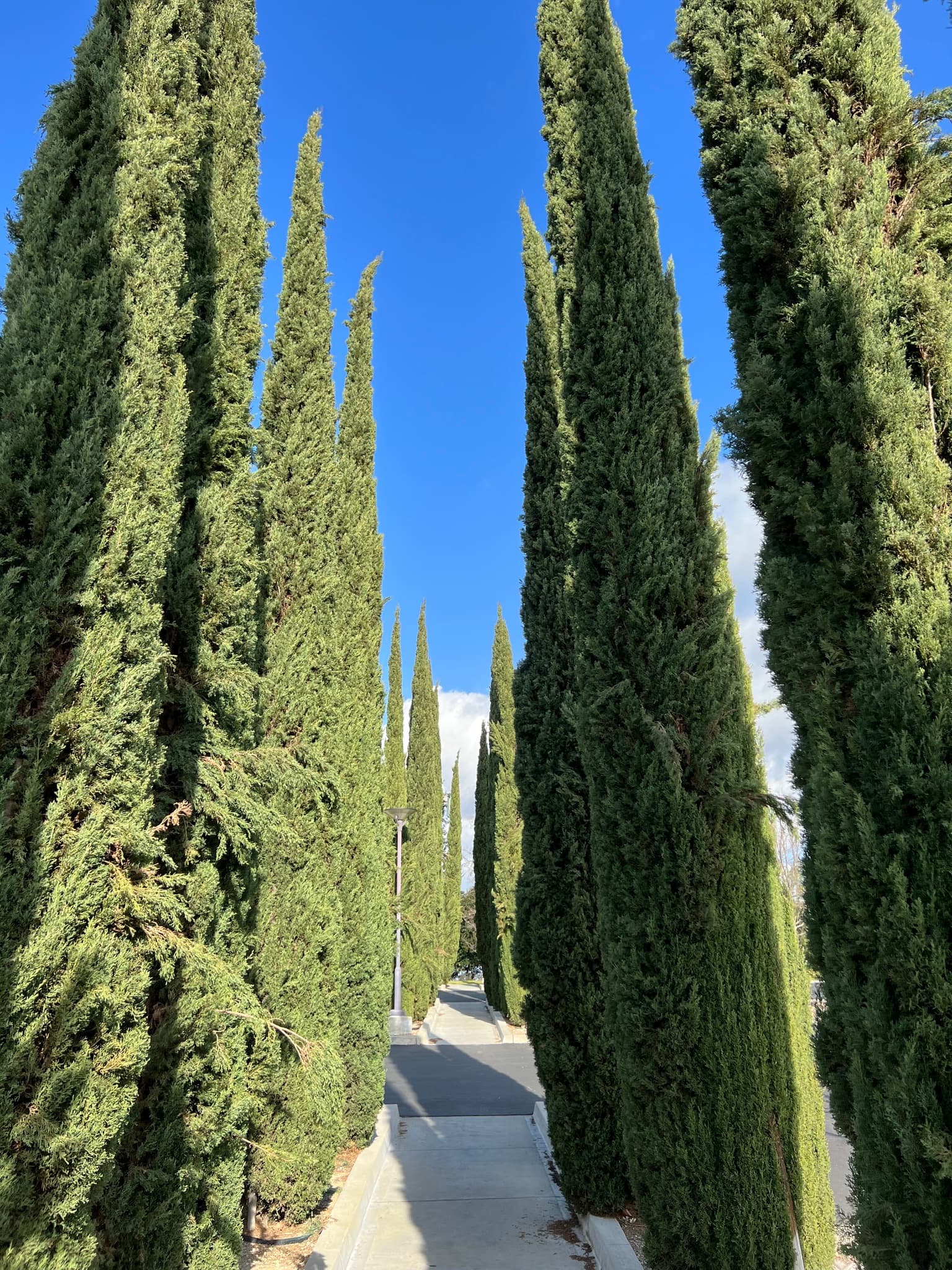
Not every cool-weather scent needs to smell like dessert. If you enjoy the idea of evergreen branches, dry wood, and a little fresh outdoor character, cypress is a fragrance note worth knowing. It offers a useful reference point when you are browsing handmade soap and trying to translate a scent description into something you can actually imagine.
What does cypress smell like? Generally, it is fresh, green, woody, and lightly resinous. Think of the impression of evergreen foliage rather than a sweet floral bouquet or a rich vanilla blend. The exact balance varies, especially in a finished soap where cypress may share the stage with other notes.
The cypress scent profile, in plain language
Scent vocabulary can sound more complicated than it needs to. Four everyday descriptions help make cypress easier to picture:
- Green: the leafy, outdoorsy impression you might associate with fresh evergreen branches.
- Woody: a dry, structured character rather than juicy fruit or sugary sweetness.
- Resinous: a slightly rounded, aromatic depth reminiscent of tree resin.
- Fresh: a brisk opening that keeps the woodsy character from feeling especially heavy.
These words describe an aroma, not a promised effect on your skin or your day. Your own associations matter, too. One person might picture a tree-lined path; another might think of a crisp, botanical cologne. Neither needs a perfume dictionary to have an opinion.
Is cypress the same as cedarwood or pine?
No. The names can appear together in forest-inspired scent descriptions, but they are not interchangeable. A helpful starting point is to think about which part of the outdoor scene a description brings to mind.
Cypress: green foliage with a woody edge
Cypress commonly sits between leafy freshness and dry wood. It can make sense for someone who likes an evergreen impression but does not want the description to lean entirely toward a holiday tree. Depending on the blend, the result may feel airy, herbal, or more resinous.
Cedarwood: a more distinctly wooden reference
Cedarwood descriptions often bring wood shavings, a wooden chest, or warm dry timber to mind. Those are useful shopping comparisons, not fixed rules: different cedarwood materials and fragrance blends can smell noticeably different. If you already know you enjoy wood-forward soap, cypress offers another word to look for when exploring that general family.
Pine: a familiar evergreen reference
Pine often suggests needles and a recognizable forest-like freshness. Cypress can share that broad evergreen territory without smelling identical. Avoid deciding from a single word alone; the rest of the fragrance description will tell you whether a particular blend leans bright, dry, sweet, or softly woody.
What pairs with cypress in a fragrance description?
Reading the neighboring notes is often more helpful than focusing on cypress by itself. These are scent-shopping examples, not instructions for mixing ingredients at home.
- Citrus: lemon or bergamot notes can suggest a brighter opening alongside the green woodiness.
- Lavender or herbs: these may give the blend a more aromatic, garden-like direction.
- Other woods: cedarwood or similar notes can make the overall impression more wood-forward.
- Resin notes: these can add depth and a warmer backdrop to the evergreen character.
A list of notes does not tell you their proportions. A citrus-led blend with a trace of cypress can smell very different from a cypress-led blend with a little citrus. Look for language such as “bright opening,” “woodsy finish,” or “soft herbal background” to understand the intended balance.
How to shop for a cypress-style soap without guessing
Start with the complete product description and ingredient list. A scent name is not an ingredient inventory, and an evergreen-looking bar does not establish which aromatic materials it contains. For more context, our guide to essential oils versus fragrance oils in handmade soap explains that distinction.
Next, separate three questions: Do you like the described scent family? Does the product fit the way you use soap? And is the information clear enough to choose confidently? Keeping those questions separate makes it easier to skip a beautiful bar whose fragrance simply is not your preference.
If you can smell a sample in person, give yourself a moment before comparing it with the next one. At home, notice the aroma during normal use rather than expecting a rinse-off bar to behave like perfume. There is no universal promise for how strongly or how long a soap fragrance will linger.
A fresh direction for fall, without the pumpkin-spice script
Fall routines do not have to follow one scent formula. An evergreen or woody direction can feel seasonally fitting alongside clean towels, a simple bathroom shelf, and a favorite robe, without adding sweetness to every part of the room.
Keep the rest of your setup uncomplicated. Choose a soap you enjoy, let the bar drain between uses, and leave room around the dish. A seasonal refresh can be as small as choosing a different scent family when your current bar is finished. There is no need to replace a routine that already works.
Explore the scent family, not just one name
Cypress is a useful reference for fresh, green, woodsy fragrance. It is not a guarantee that every product bearing the name will smell the same, and this guide does not announce a new Plumera cypress product.
When you are ready to explore, browse Plumera’s handmade bar soaps and compare the current scent descriptions. Choose the one that sounds like something you would enjoy using tomorrow morning—not simply the one with the most elaborate name. That is a practical kind of beauty through simplicity.