What Does Juniper Smell Like? A Fresh, Woodsy Scent Guide
-
Posted by
Allison Savino
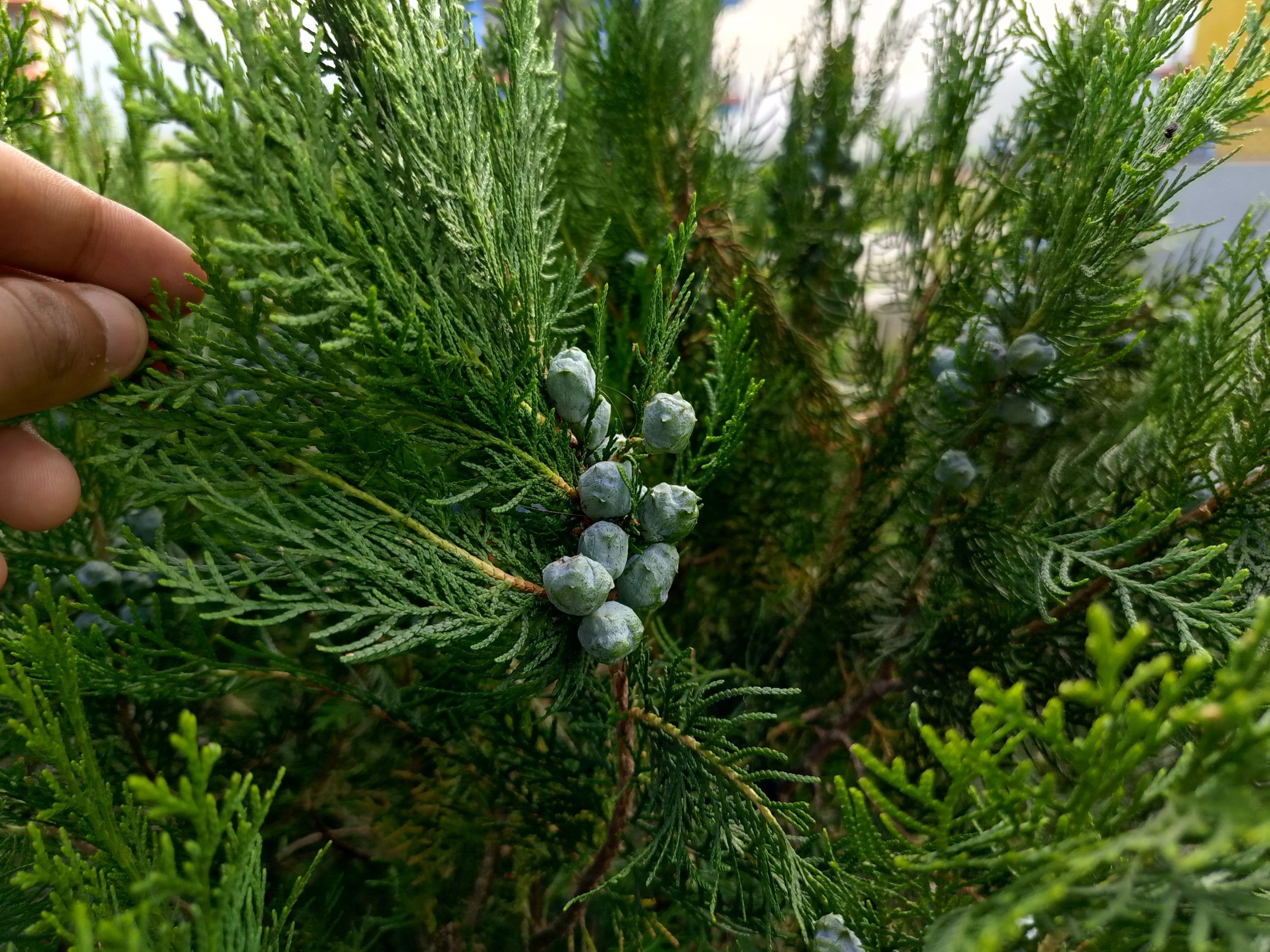
Juniper sounds like it should smell fruity. After all, the word often arrives with “berry” right behind it. But its scent belongs much closer to an evergreen branch than a bowl of jam: fresh, pine-like, gently peppery, and dry around the edges.
If you enjoy botanical soap scents but find some fall fragrances too sugary, juniper is a useful note to recognize. This guide explains what juniper smells like, how it differs from other woodsy notes, and what to look for when shopping for a finished soap or skincare product. Think scent vocabulary, not a new step your bathroom needs.
What does juniper smell like?
Juniper berry is generally described as crisp, aromatic, and woody, with a pine-like opening and a subtle peppery quality. Some versions have a little sweetness underneath, but it is not usually the candy-like sweetness suggested by a berry fragrance.
Imagine evergreen foliage, dry wood, and a small twist of citrus peel in the same scene. That is a helpful starting point, although an actual blend may emphasize one part much more than the others.
- Fresh: an airy, bright first impression.
- Evergreen: a recognizable pine-like character.
- Peppery: a light, dry spiciness rather than a sugary baking-spice effect.
- Woody: a quieter background that gives the freshness some depth.
These are scent descriptions, not promises about what a product does for skin. “Fresh” describes the aroma here; it does not establish any special cleansing performance.
Does juniper berry smell sweet or fruity?
Usually, not in the way strawberry, raspberry, or a sweet fruit fragrance does. Juniper berry can have a rounded, slightly sweet facet, but its main personality is aromatic and evergreen. Someone expecting a juicy berry scent may find it surprisingly dry.
You may also see it described as gin-like. That comparison refers to the recognizable botanical aroma associated with juniper, not to an alcoholic ingredient being present in a soap. A scent comparison is not an ingredient list.
This distinction is especially useful for gift shopping. A recipient who likes fresh woods might enjoy the idea of juniper; someone who only likes sweet fruit scents may be looking for something quite different. Read the full scent description instead of choosing by the word “berry” alone.
Juniper vs. pine, cedarwood, and citrus
Juniper and pine
Both can suggest evergreen branches. Juniper berry often brings a peppery, aromatic twist, while a pine-led fragrance may place more emphasis on the familiar forest-needle impression. Neither name tells you how strong a finished bar will smell. The blend matters as much as the headline note.
Juniper and cedarwood
In everyday scent descriptions, cedarwood often suggests dry timber or pencil shavings, while juniper berry suggests a fresher botanical opening. Botanical naming can be more complicated than these shorthand descriptions, so use them as shopping language rather than a rule about every plant or oil.
Juniper and citrus
Citrus notes suggest peel, zest, or a bright fruity edge. Juniper’s freshness leans greener and woodier. Together, those families can create a crisp impression without making a fragrance seem like dessert. If citrus alone feels too sharp for your taste, a woodsy blend may be worth exploring.
What pairs well with juniper in a scent description?
Juniper often appears alongside citrus, woods, herbs, or dry spices. Rather than memorizing a fragrance chart, look for the direction of the whole blend.
- Citrus and juniper: likely to emphasize brightness and a crisp botanical impression.
- Wood and juniper: may feel drier and more grounded in an evergreen theme.
- Herbs and juniper: can lean green, aromatic, and garden-inspired.
- Spice and juniper: may emphasize peppery contrast rather than sweetness.
These are ways to interpret finished-product descriptions, not instructions for mixing essential oils. The same named notes can smell quite different across formulas, and a scented soap will not necessarily wear like a perfume.
How to shop for juniper-style handmade soap
Start with the overall scent family, then look at the individual product’s current description and ingredient list. A forest-themed name or botanical photo does not confirm that juniper berry oil is included. Likewise, a listed aromatic ingredient does not tell you exactly how prominent it will smell.
When browsing Plumera’s handmade bar soaps, compare the described scent, intended use, and ingredients rather than assuming every woodsy bar shares the same formula. This article is general scent education, not an announcement of a Plumera juniper product.
Online photos are helpful for color and shape, but they cannot convey scent strength. Our guide to reading handmade soap photos when shopping online explains how to separate visual clues from details you still need to check in the listing.
A fresh alternative to sugary fall scents
Autumn does not have to smell like a bakery. If your favorite seasonal details are evergreen branches, cool outdoor air, and simple natural textures, a fresh woodsy scent family may feel more like you.
For a small bathroom, keep the sensory picture simple: choose one soap scent you enjoy rather than trying to coordinate several competing fragrances. For a gift, use the recipient’s existing preferences as your guide. A beautifully presented bar is still a personal choice, and familiar scent families make that choice easier.
Ready to explore? Look for a finished bar whose description sounds appealing, check its details, and choose it for the routine you already have. Juniper’s biggest lesson is simple: a little better scent vocabulary can make shopping more intentional. Beauty Through Simplicity, right down to the notes you love.