What Is Pomegranate Seed Oil in Skincare? A Simple Guide
- Posted by
Allison Savino
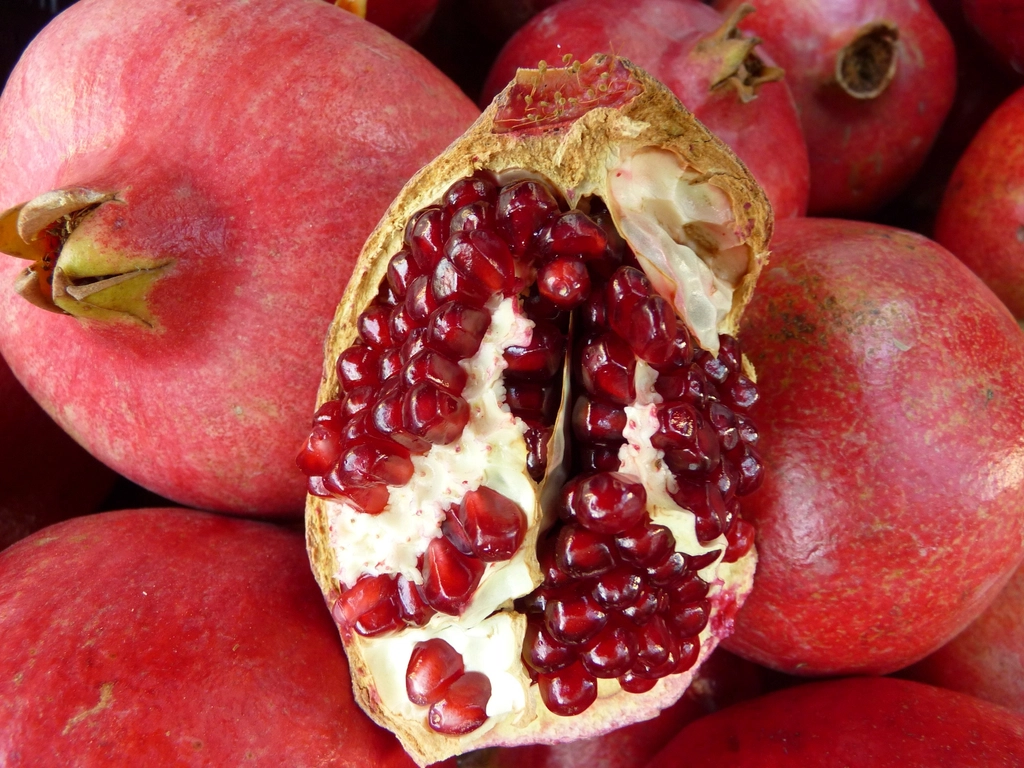
Pomegranates are easy to recognize in a fall fruit bowl. Their name on a skincare label takes a little more decoding. Is pomegranate seed oil the same as juice, fruit extract, or a sweet pomegranate fragrance? Not quite—and those differences matter more than the beautiful red fruit on the front of a bottle.
Pomegranate seed oil is a plant oil used as an emollient: an ingredient that helps skin feel soft and conditioned. This guide explains what the name means, how to read it on a label, and where it fits into a thoughtful everyday routine. It is ingredient education, not an announcement of a new Plumera formula.
What is pomegranate seed oil?
Pomegranate seed oil comes from the seeds of the pomegranate fruit. On a cosmetic ingredient list, you may see the name Punica Granatum Seed Oil. The botanical name identifies the plant; “seed oil” identifies the part and type of ingredient being used.
That final detail is worth noticing. A single plant can supply several very different cosmetic ingredients. Its oil, juice, and extracts are not interchangeable simply because they share a familiar fruit name. Looking beyond the front label gives you a clearer idea of what is actually in the formula.
What does emollient mean?
An emollient helps skin feel softer and smoother. In an oil-based formula, it can contribute slip during application and a conditioned feeling afterward. The finished experience depends on the entire blend, not just one ingredient with an appealing name.
A pomegranate seed oil blend might feel different from another product featuring the same oil. Other oils, waxes, the amount used, and the product format all affect the result. Think of an ingredient as one part of a recipe rather than the whole story.
Seed oil, fruit extract, and fragrance are different things
Shopping becomes simpler when you separate these three ideas:
- Pomegranate seed oil: an oil obtained from the seeds, used for its cosmetic conditioning role.
- Pomegranate extract: a different ingredient whose identity depends on the plant material and preparation. The label may specify fruit, peel, or another part.
- Pomegranate fragrance: a scent description. It does not, by itself, tell you that a product contains pomegranate seed oil.
Likewise, a picture of a pomegranate does not reveal the amount of seed oil in a formula. Neither does a ruby-colored bottle. Packaging can set the mood beautifully, but the ingredient list does the explaining.
For a practical refresher, read our guide to reading a clean beauty ingredient list. Use the exact names on the current product label rather than assuming a botanical image describes every ingredient inside.
What should pomegranate seed oil feel or smell like?
Do not expect seed oil to behave like pomegranate juice. It is an oil, not a watery fruit ingredient. And do not assume it will smell like a bright, sweet fruit fragrance. The scent of a finished product may come from other ingredients or an added fragrance blend.
Rather than looking for one promised texture, ask how the whole product is described. Is it a face and body oil, a balm, or a rinse-off bar? Does the maker describe a richer finish or a lighter application? Those details are more useful for everyday shopping than the fruit name alone.
If a product includes several plant oils, avoid ranking it by whichever ingredient sounds most unusual. A familiar oil blend that feels comfortable and fits your routine can be a more satisfying choice than a novelty that stays untouched on the shelf.
How to shop for a pomegranate seed oil product
Start with the intended use
Choose a product labeled for the area and purpose you have in mind. A finished face or body oil is not automatically interchangeable with an ingredient sold for making cosmetics. Follow the finished product’s directions instead of borrowing instructions from a different oil online.
Read the complete formula
Check for the seed oil’s exact name, then keep reading. Other ingredients help explain texture, scent, and format. If the listing gives only a short highlight list, look for the full ingredients before deciding. “Made with pomegranate” is a starting point for a question, not a complete product description.
Choose a size you will actually use
Consider how often you use an oil and whether this purchase replaces something or simply adds another bottle. For a new texture, a manageable size can make more sense than stocking up immediately. Keep the label and storage directions available so useful details do not disappear with the outer box.
Where it fits in a simple fall routine
A seasonal ingredient does not require a seasonal overhaul. If you already enjoy an oil step, evaluate a new blend within that familiar routine. Follow its directions, begin with the suggested amount, and notice whether the finish suits your preferences before adding more layers.
For Plumera shoppers, our Flower Power Oils collection is a place to explore current face and body oil options. Read each listing for its actual formula; this ingredient guide does not mean that every Plumera oil—or any particular product—contains pomegranate seed oil.
You can appreciate a botanical ingredient without needing to collect every version of it. The useful question is not whether pomegranate is having a moment. It is whether the finished product earns a place in your everyday care.
The simple takeaway
Pomegranate seed oil is a seed-derived emollient, distinct from pomegranate juice, extract, and fragrance. Look for its full ingredient name, judge the complete formula, and choose a format that fits the way you already care for your skin.
When you are ready to explore, start with one well-chosen product and clear directions rather than an entire new routine. Beautiful botanicals are welcome. Unnecessary complexity can stay on the shelf.