Natural Indigo in Handmade Soap: A Simple Color Ingredient Guide
-
Posted by
Allison Savino
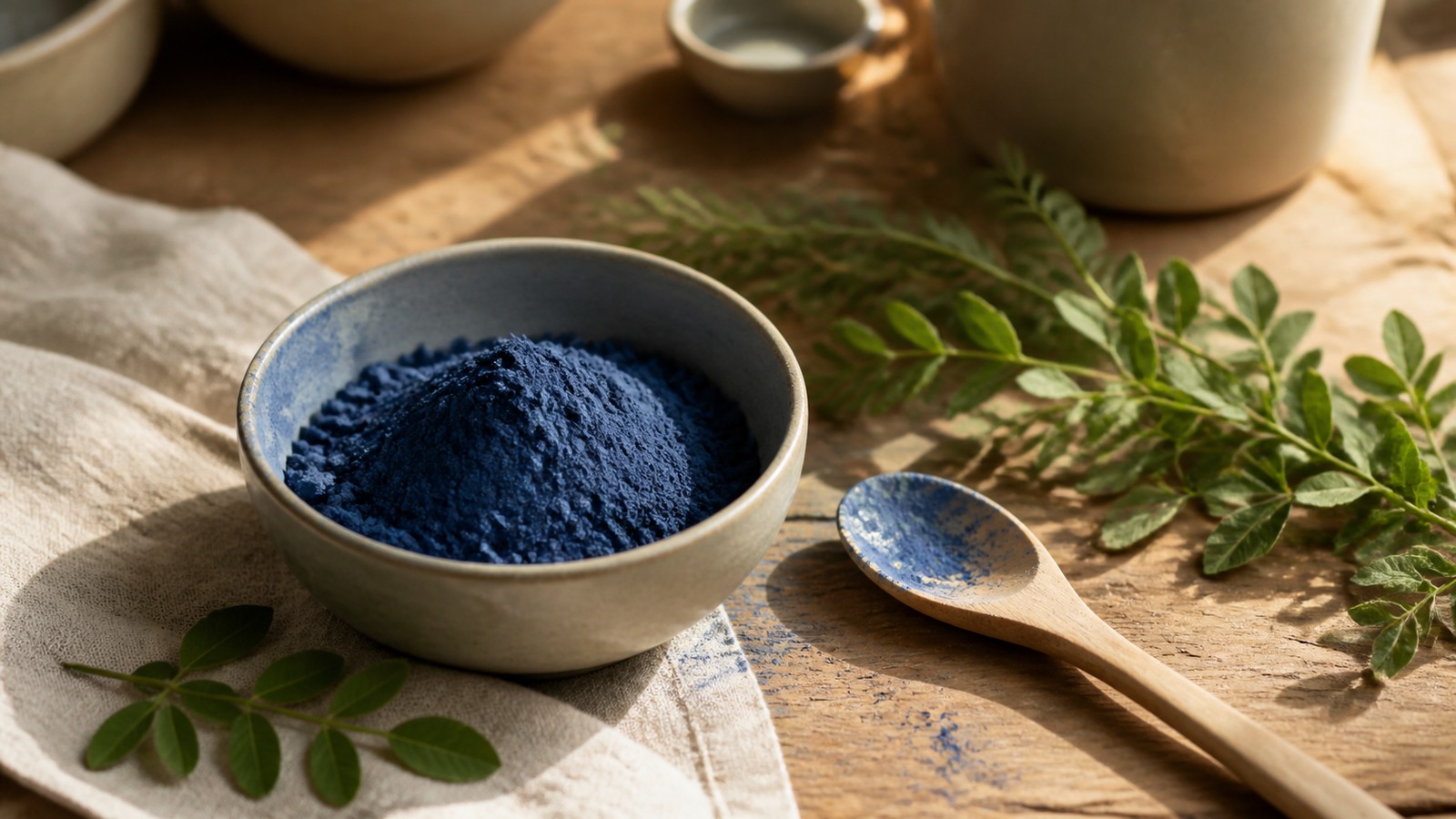
Blue is one of the most eye-catching colors in handmade soap, but it can also be one of the most mysterious. A finished bar may look denim blue, smoky slate, muted teal, or softly marbled, depending on the formula and the way the color develops. Natural indigo is one ingredient soapmakers can use to create that distinctive botanical palette.
Unlike a flat paint swatch, natural indigo in handmade soap has character. The powder meets oils, an alkaline soap mixture, heat, time, and the maker’s design choices. The result is rarely a single guaranteed shade, which is precisely why indigo-colored bars can feel so at home in a small-batch collection.
What is natural indigo?
Natural indigo is a plant-derived color material traditionally associated with species in the Indigofera family and other indigo-producing plants. The leaves are processed through several steps to create a concentrated blue pigment. In its dry form, the finished powder can look intensely navy, almost black, or slightly violet-blue.
In soapmaking, natural indigo is used primarily for visual effect. It gives makers a botanical way to explore cool blue tones, layered designs, and contrasting swirls. It does not need an oversized skincare promise to be interesting; color, craft, and ingredient transparency are already a good story.
Why does indigo look different in handmade soap?
The color you see in a bowl of indigo powder is not a perfect preview of the finished bar. Soap is an alkaline environment, and pigments can behave differently once they are dispersed through the batch. A deep blue powder may become a softer slate or blue-gray, while a light hand can create a quiet mist of color rather than a bold navy block.
Several details influence the final appearance:
- How much pigment is used. A small amount can create a pale, cloudy blue. More can deepen the shade, although every formula has a practical balance.
- How the powder is dispersed. Careful blending helps the pigment move through the batter more evenly. Intentional speckles or concentrated swirls can create a different look.
- The base oils and butters. A naturally golden or creamy soap base can shift the way blue reads in the finished bar.
- Batch temperature. Heat during the soapmaking process can affect color intensity and the contrast between sections of a design.
- Time and storage. Handmade soap continues to settle and dry after it is cut, and botanical colors can soften as the bar ages.
These variables do not make indigo unreliable. They make it an ingredient that rewards testing, careful notes, and a willingness to work with a living-looking palette instead of demanding factory sameness.
How soapmakers add natural indigo
There is more than one way to bring indigo into a handmade soap design. A maker may disperse the powder in a small portion of oil or another suitable liquid before adding it to the soap batter. That extra step can make blending easier and reduce dry pockets of pigment.
The indigo mixture may color the entire batch, one portion of a divided batch, or a thin section used for a swirl. A full-batch color creates a more uniform blue bar. Dividing the batter allows the maker to pair indigo with cream, charcoal, clay, or another compatible color for layers and movement.
Timing matters as well. Soap batter thickens as it is mixed. If a design needs flowing curves, the maker must work while the batter is fluid enough to move. A thicker batter can create stronger blocks, ridges, or a textured top. That is the quiet choreography behind a bar that looks effortless on the sink.
Natural indigo versus mineral blue colorants
Not every blue handmade soap gets its color from indigo alone. Soapmakers may also use ultramarines, oxides, micas, or combinations of color materials. Each option behaves differently and offers its own degree of consistency, brightness, and design flexibility.
Natural indigo often appeals to shoppers who enjoy botanical ingredients and softer, earthier color stories. Mineral and cosmetic colorants can offer cleaner or more predictable shades. Neither route automatically determines the quality of the complete bar. The useful question is whether the maker identifies the colorants clearly and uses them as part of a thoughtfully balanced formula.
A product description may mention indigo alongside another blue colorant. That can help the maker shape the shade or keep a design recognizable across batches while retaining the botanical character of indigo.
Will an indigo-colored soap stay the same blue?
Botanical color can change gradually. Light, air, the rest of the formula, and ordinary aging may soften the original tone. A bar that begins deep blue may become more muted, while a swirl may lose a little contrast. This is usually an appearance change rather than a dramatic event.
Store unused bars in a cool, dry place away from direct sunlight. Once a bar is in use, give it a draining surface and time to dry between washes. Our guide to why handmade soap colors fade offers a closer look at the way light, botanicals, fragrance materials, and time can shape a bar’s appearance.
What should you notice when shopping for indigo soap?
Start with the complete product description rather than choosing by color alone. Indigo tells you something about the visual design, but the base oils, scent, texture, bar size, and care directions tell you how the whole product fits your routine.
Look for these practical details:
- A clear ingredient list that names the color materials.
- A scent description that helps you choose between floral, citrus, herbal, or woodsy profiles.
- Texture notes, especially when the formula also includes clay, pumice, salt, or botanicals.
- Simple directions for use and between-wash storage.
- Photography that shows the handmade character without promising that every swirl will be identical.
A Plumera example: Cedar Bergamot Natural Soap
Plumera’s Cedar Bergamot Natural Soap includes indigo and blue oxide within a formula that also features Moroccan clay, kaolin clay, and pumice. Bergamot, lavender, cedarwood, and ylang ylang give the bar a woodsy-citrus aromatic direction, while the color and mineral ingredients add visual and textural interest.
The important point is balance. Indigo is one part of the bar’s identity, not the entire formula. Oils, butter, scent materials, clay, texture, careful measuring, and the resting stage all contribute to the finished experience.
Blue color, beautifully uncomplicated
Natural indigo gives handmade soap a palette that can feel botanical, artistic, and quietly dramatic. Its shade may move from soft blue-gray to deep navy, and small variations are part of working with a plant-derived pigment in a handmade process.
Explore Plumera Essentials’ small-batch handmade bar soaps to discover blue, floral, bright, woodsy, and playful designs made for simple everyday routines. Choose the scent and texture that suit you, let the bar dry well between uses, and enjoy the craft in every wash.