Coffee in Handmade Soap: Color, Texture, and Scent Explained
- Posted by
Allison Savino
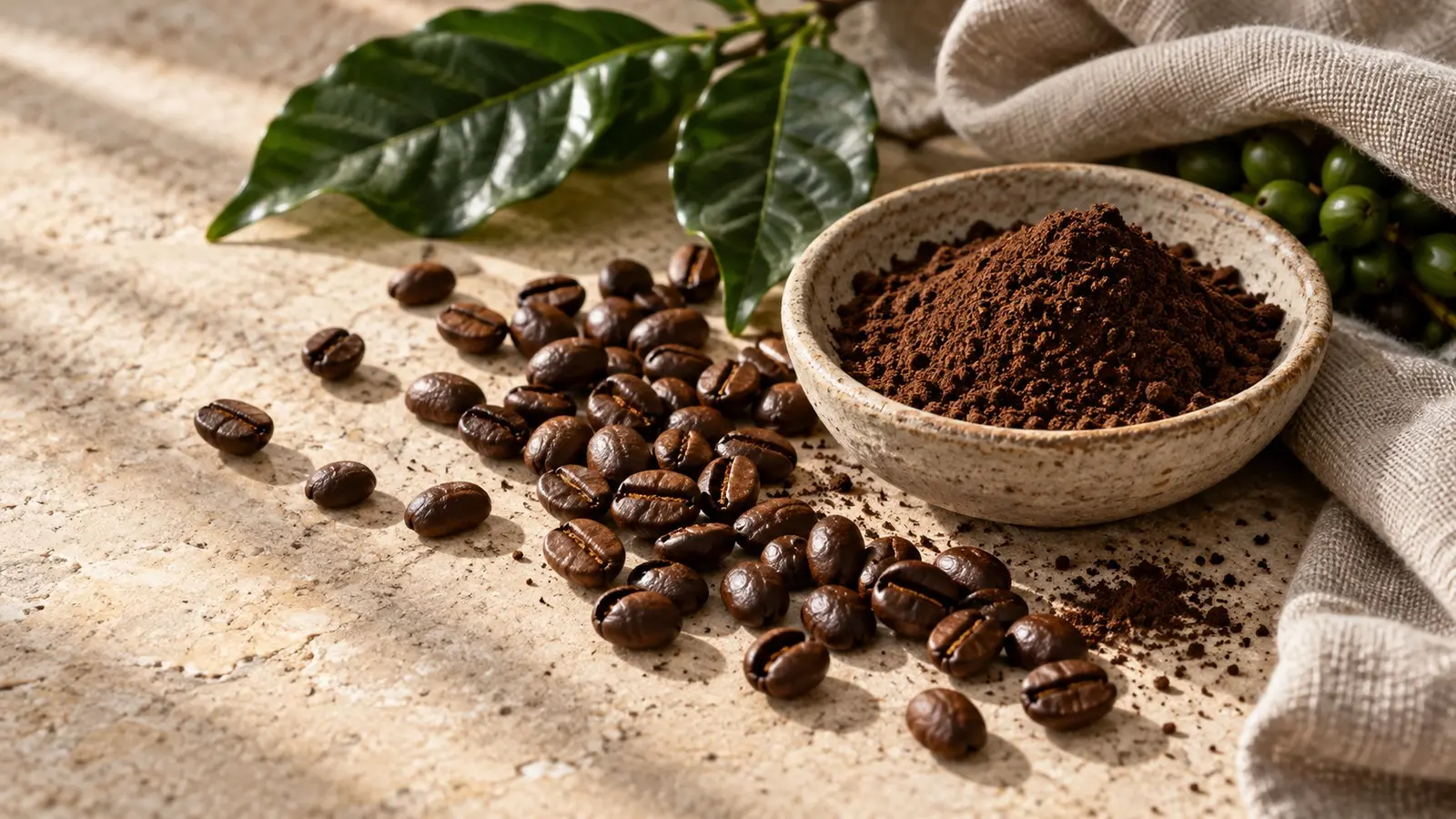
Coffee has a way of making an ordinary morning feel more considered. In handmade soap, it can bring a similarly inviting look: warm brown shades, tiny speckles, and a texture that stands apart from a smooth, solid-colored bar. But a coffee-colored soap does not automatically smell like your favorite café.
Understanding coffee in handmade soap starts with separating three things: the ingredients that create color, the particles that add texture, and the ingredients that shape the scent. This guide looks at those details from a shopper’s perspective, so you can choose a bar for the experience you actually want.
What does coffee do in handmade soap?
Coffee can appear in several forms, and each contributes something different. Brewed coffee may be used as part of a soap’s liquid. Finely ground coffee can create visible flecks and a textured feel. Coffee seed oil may contribute a subtle roasted aroma, depending on the ingredient and the finished formula.
Those forms are not interchangeable. A bar made with brewed coffee alone will not necessarily have the speckled appearance of one containing grounds. A coffee-scented bar may get its aroma from a fragrance blend rather than brewed coffee. The product name is a useful introduction, but the ingredient list and description tell the fuller story.
Why coffee soap can look tan, brown, or speckled
Brewed coffee can bring warm color to a soap formula. Coffee grounds add darker dots, while the base oils, other ingredients, and design choices also influence the finished appearance. A maker might create one uniform brown bar or pair a coffee-colored portion with a lighter layer.
That range is part of the appeal. Some bars look rustic and softly mottled; others resemble the neat layers of a latte. Neither appearance tells you everything about how the soap will feel. A darker bar is not automatically more aromatic or more textured, and a pale layer does not automatically mean milk is an ingredient.
For another look at visual details, our guide to how handmade soap swirls are made explains why a bar’s design and its ingredient story are related but separate considerations.
Coffee grounds change texture, not just appearance
When ground coffee is mixed into soap, the particles can create a noticeable textured feel. The size of the grounds, the amount used, and how evenly they are distributed all matter. Fine flecks may feel quite different from larger particles or a densely packed layer.
If you usually prefer a smooth bar, look for an explicit texture description before ordering. Words such as “scrubby,” “textured,” or “with coffee grounds” suggest a different experience from a bar made without added particles. Product photography can show visible flecks, but it cannot tell you exactly how those flecks will feel in use.
Questions worth asking the maker
- Does the bar contain coffee grounds, or is coffee used in another form?
- Is the texture described as fine, noticeable, or strongly scrubby?
- Are decorative beans limited to the top, or are particles mixed throughout?
- What uses and application directions does the maker recommend?
Choose according to your own texture preference rather than assuming that more visible ingredients make a better bar. A smooth finish is a perfectly good preference. Soap does not need to compete with your morning granola.
Will coffee soap smell like fresh espresso?
Not necessarily. Coffee ingredients can contribute a light aroma, but a strong café-style scent should not be assumed from the color or the presence of grounds. Some formulas use coffee oil for a subtle roasted note. Others use a fragrance blend to create a more pronounced espresso, vanilla-coffee, or latte impression.
Bramble Berry’s Simple Coffee Soap project provides a useful example: it combines several coffee ingredients and describes the finished scent as very light, with fragrance offered as an optional way to make it stronger. The practical takeaway is simple: read the scent description instead of shopping by appearance alone.
If aroma is your main reason for choosing the bar, ask whether it is softly scented or more noticeable. Also check whether the description leans toward roasted beans, sweet vanilla, or another blended note. “Coffee” is a starting point, not a complete fragrance description.
How to shop for a coffee-inspired bar this fall
Warm brown tones and roasted scent descriptions fit naturally into a fall routine, but there is no need to replace everything on your bathroom shelf. Start with the details that matter most to you.
- Choose your preferred texture first. Decide whether you want a smooth bar or one with noticeable particles.
- Read the scent notes. Look for an actual aroma description rather than relying on a coffee-themed name.
- Check the full ingredient list. Note which form of coffee appears and whether a fragrance ingredient is listed.
- Read the directions. Follow the maker’s intended uses and care guidance.
- Buy for your real routine. One well-chosen bar is more useful than several that only look appealing together.
For gifting, texture is especially worth considering. Unless you know someone enjoys a textured bar, a familiar smooth option may be the easier choice. A coffee-loving friend does not necessarily want coffee grounds in their soap.
Keep the ingredient story in perspective
Coffee makes an interesting soap ingredient because it can influence appearance, texture, and aroma in different ways. It is not a shortcut for judging the whole formula. The oils, the balance of ingredients, the finished design, and your preferences all belong in the decision.
This is ingredient education, not an announcement of a new Plumera coffee soap. For current options, explore the Plumera handmade bar soap collection and compare each bar’s own ingredient list and scent description. Choose the details you enjoy, keep the routine simple, and let your actual cup of coffee handle the espresso expectations.