
Why Do Soapmakers Use Silicone Molds? A Handmade Soap Guide
-
Posted by
Allison Savino
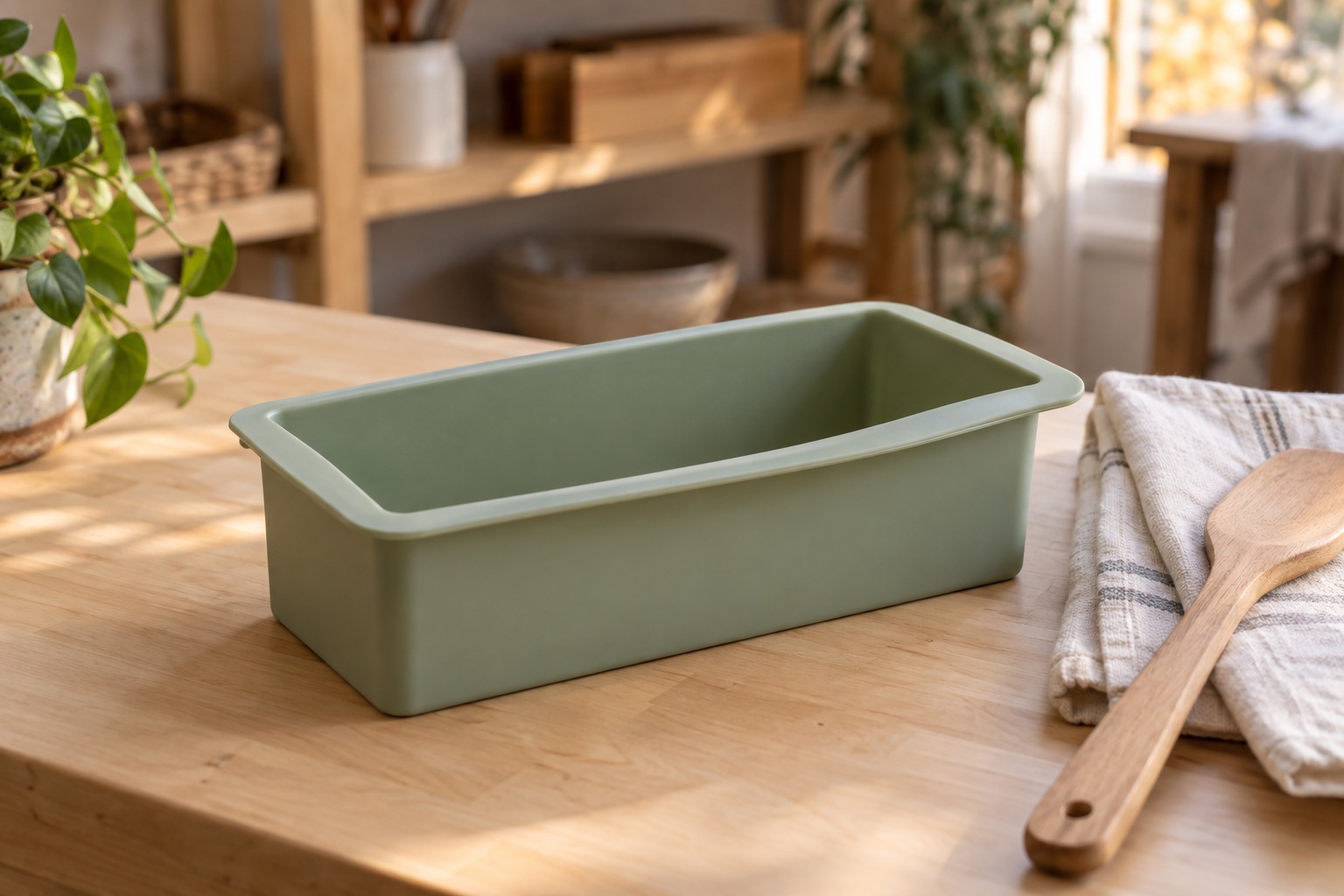
Before a handmade soap bar reaches your bathroom, it needs a place to take shape. That place is often a silicone mold: a flexible container that holds a fresh batch while it becomes firm enough to handle. It is one of the quieter tools behind the finished bar, but it has a surprisingly practical job.
Why do soapmakers use silicone molds? The short answer is flexibility, repeatable dimensions, and easier release. As fall craft markets bring more handmade bars into view, understanding this workshop detail can help you appreciate what you are looking at without turning every purchase into a chemistry lesson.
What is a silicone soap mold?
A silicone soap mold is a reusable form made from flexible silicone. Depending on its design, it may hold one large loaf, a shallow slab, or several individual bars. Some molds stand on their own; others are flexible liners that sit inside a supportive wooden or rigid box.
The mold is equipment, not an ingredient. It gives a batch its outer boundaries while the soap firms up. Choosing a silicone mold does not, by itself, tell you the soap’s oil blend, scent, color ingredients, or intended use. Those details belong in the product description and ingredient list.
Why flexibility matters when the soap comes out
A rigid container holds its shape, but that same rigidity can make releasing a solid piece awkward. Silicone can bend away from the sides of a firm soap loaf or individual bar. Rather than pulling hard on the soap itself, the maker can gently separate the mold from its surface.
That flexibility can help preserve neat corners and decorative details. It is especially useful when a mold has small contours that would be difficult to release from a fixed container. Still, silicone is not a shortcut around timing. Soap that is too soft can dent or stretch even when the mold releases easily.
Easy release does not mean instant readiness
Coming out of the mold is only one stage of making a bar. Depending on the process and formula, the soap may still need cutting, additional resting time, and inspection before it is ready for sale. A finished-looking shape is not a reliable calendar.
This is also why two makers can use similar molds and follow different schedules. Formula, batch size, room conditions, and the mold’s construction all matter. There is no single unmolding time that describes every handmade soap.
Loaf molds, cavity molds, and silicone liners
Loaf molds leave room for cutting decisions
A loaf mold holds one continuous block. After release, the maker cuts it into bars. The interior length and width establish the loaf’s broad proportions, while the cutting plan determines each slice’s thickness. A familiar rectangular bar may begin as one piece shared with many neighboring bars.
For a closer look at the next step, our guide to how handmade soap is cut from loaf to bars explains the transition from one batch to individual pieces.
Individual cavities shape each bar separately
A cavity mold gives each bar its own space. This can be useful for rounds, ovals, or designs with a detailed face. Because the bars are formed individually, the maker does not need to divide one long loaf into slices. The shape is largely set by the cavity, though filling and finishing still call for attention.
Supported liners combine flexibility with structure
A long, soft mold can bow outward when filled. A fitted support box helps it hold straight sides while the silicone liner provides a flexible release surface. Neither arrangement is automatically better: the useful choice depends on the batch, the design, and how the maker works.
What a mold can change—and what it cannot
A mold can influence the outline, surface detail, and dimensions of a bar. Its structure also affects how a maker handles and moves a batch. A smooth cavity often leaves a smoother-looking contact surface, while a textured cavity can leave a pattern.
But a beautiful impression is not a formula. The mold cannot tell you how strong the fragrance will seem, how the lather will feel, or which ingredients you prefer. Those qualities depend on more than the shape you see in a photograph.
If you are comparing soaps online, read the listed size and ingredients alongside the images. A deep cavity, a wide loaf, and a thick slice can look similar when photographed without a scale reference. Dimensions and weight are more useful than guessing from the picture alone.
Does silicone make a handmade bar perfectly uniform?
Not necessarily—and absolute uniformity is not the point. A mold creates a consistent starting boundary, but pouring, cutting, surface decoration, and finishing can still introduce small differences. A loaf’s exposed top can look different from its smooth molded sides.
Think of the mold as a reliable frame rather than a promise that every detail will match. When browsing Plumera’s handmade bar soaps, look at the whole description: scent, ingredient information, size, and care directions offer a fuller picture than a perfectly straight edge.
A workshop detail worth noticing
At your next fall market, asking whether a bar was poured in individual cavities or cut from a loaf can start a lovely conversation about the craft. It is a specific question that invites the maker to explain the process without assuming one method is superior.
For your own shelf, keep the decision simple. Choose a bar whose description fits your preferences and whose size works with your everyday setup. A flexible mold may help create the shape, but the pleasure of using the finished soap comes from the complete experience.
That is beauty through simplicity: understanding one small detail, then choosing thoughtfully rather than overcomplicating the routine.