What Does Fennel Smell Like? A Sweet, Herbal Scent Guide
- Posted by
Allison Savino
Some botanical scents are easy to place: a citrus peel, a rose petal, a sprig of mint. Fennel is a little more surprising. Its aroma brings together a sweet, licorice-like note and a fresh green edge, making it feel familiar without fitting neatly into the usual floral or woodsy categories.
If you have wondered what fennel smells like while reading a soap or fragrance description, think of sweet anise with an herbal backdrop. This guide explores that scent character, how it differs from similar notes, and what to look for when choosing a finished bath or body product. It is a scent guide, not an announcement of a new Plumera product.
What does fennel smell like?
Fennel typically smells sweet, aromatic, and distinctly licorice-like, with a leafy freshness beneath the sweetness. Depending on the material and your own associations, you might also notice a gently spicy or slightly sharp edge. The overall impression is more herb garden than vanilla frosting.
Three useful words for describing it are sweet, green, and anise-like. Here, sweet describes the impression of the aroma, not a sugary ingredient in a skincare formula. Green suggests fresh plant material rather than a specific color or a promise about how a product will perform.
That combination can appeal to someone who likes botanical scents but finds purely floral options too delicate or rich dessert-style scents too heavy. It can also be a decisive preference: if licorice-like aromas are not your favorite, fennel is worth approaching thoughtfully rather than buying on the strength of the word herbal alone.
Why does fennel remind people of anise?
Fennel and anise share an aromatic compound called anethole, which contributes to their recognizable sweet, anise-like character. That shared note helps explain why the two are often compared. It does not make them the same plant or mean that every material from them smells identical.
Fennel belongs to the plant species Foeniculum vulgare. Anise and star anise are different plants, even though their familiar aromas overlap with fennel. A scent description can use anise-like as a comparison without identifying anise as an actual ingredient.
For a shopper, that distinction matters. Fragrance language describes an impression; an ingredient list describes what is in the formula. Read both rather than assuming that every botanical named in the story appears in the product.
Fennel, anise, and licorice: a simple comparison
Fennel: sweetness with a leafy edge
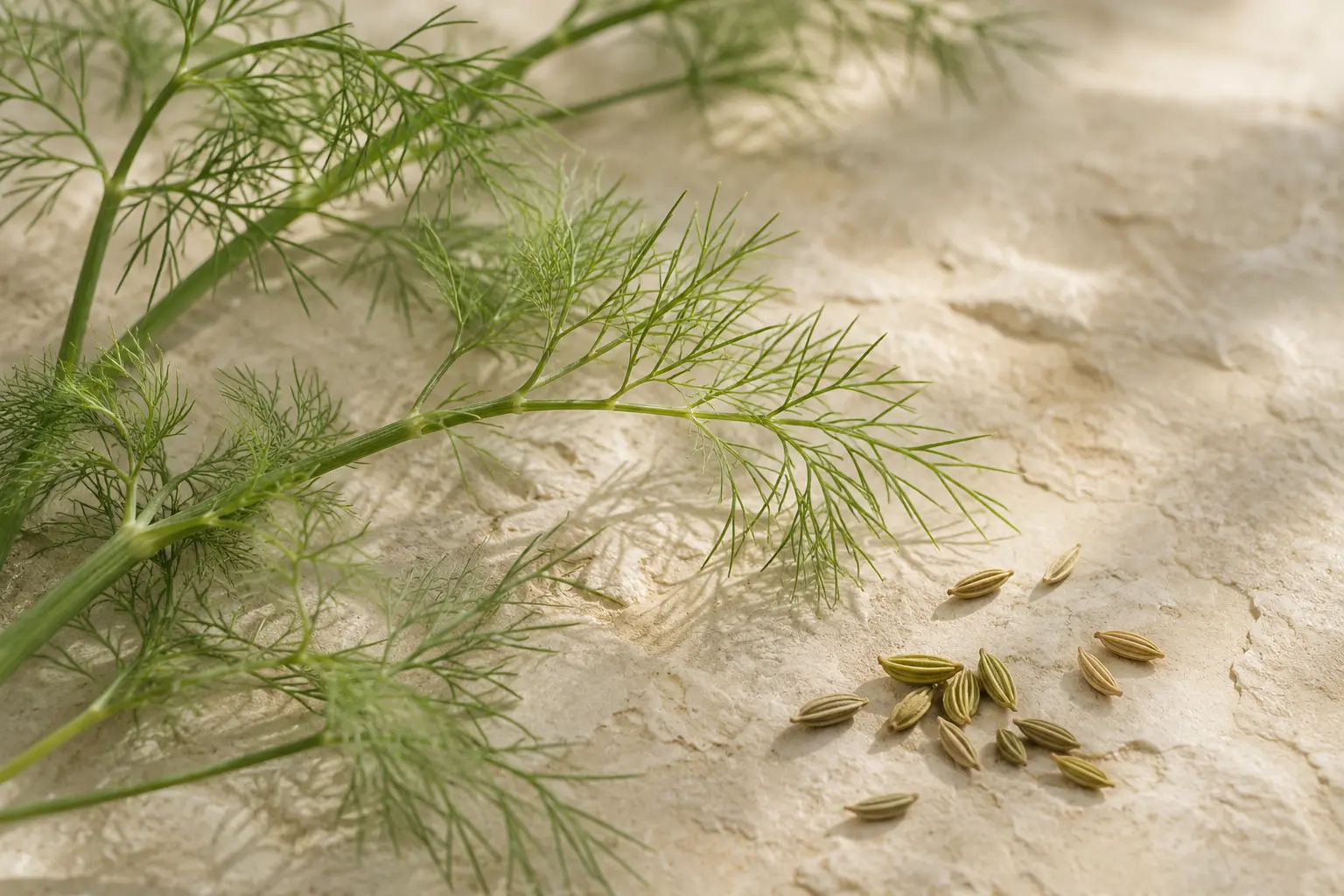
Fennel often feels fresh and herbal alongside its sweetness. Picture delicate green fronds and a jar of aromatic seeds rather than a bowl of candy. Individual materials vary, so this is a useful starting point rather than an exact prediction of every finished fragrance.
Anise: a familiar sweet aromatic note
Anise is often described in the same sweet, licorice-like terms. In a fragrance description, the word may help you recognize a clear aromatic accent that stands apart from citrus, flowers, or woods. The complete blend determines whether that accent feels soft or prominent.
Licorice-like: a comparison, not an ingredient guarantee
When someone says fennel smells like licorice, they are usually reaching for a familiar reference. It does not automatically mean a soap contains licorice root, licorice extract, or anything used in confectionery. Similar smells can come from different ingredients, and a descriptive comparison is not a formula.
Fresh fennel and a finished soap will not smell identical
A fresh botanical, a dried seed, an aromatic ingredient, and a finished soap are different scent experiences. The surrounding ingredients, the balance of a blend, and the product format all shape what reaches your nose. A photograph of fennel gives useful visual context, but it cannot tell you how strongly a particular bar will smell.
A maker might use a fennel-like note as a small accent rather than the main character. Other notes could make a blend seem brighter, softer, drier, or more rounded. Look for words that describe the whole scent, not just one intriguing botanical in the name.
For more help separating scent vocabulary from formula details, read our guide to essential oils and fragrance oils in handmade soap. Neither a scent family nor an ingredient’s origin tells the whole story on its own.
How to decide whether this scent family suits you
Start with your preferences rather than a trend. Think about whether you enjoy anise-like aromas in everyday settings, whether you prefer leafy freshness to sugary sweetness, and whether you want one distinctive note or a quieter blend. You do not need an elaborate fragrance vocabulary to know what you enjoy.
- Check the complete description. Herbal can mean many different things, from grassy and sharp to soft and sweet.
- Look for intensity guidance. A distinctive note is not necessarily a strong fragrance, and a simple name does not guarantee a subtle one.
- Ask a specific question. “Is the anise-like note prominent?” is more useful than “Does it smell nice?”
- Keep gifting personal. For holiday gifts, a familiar favorite is often a better choice than an aromatic surprise.
Do not add kitchen botanicals or concentrated aromatic materials to a finished product to recreate a scent description. Choose a finished formula intended for its stated use and follow its directions. This article is about recognizing fragrance, not blending a recipe.
A more confident way to explore botanical scents
Fennel adds one more useful reference to your scent vocabulary: sweet, green, and unmistakably anise-like. Recognizing that character makes it easier to read descriptions, ask better questions, and choose everyday care that feels like your own style.
When you are ready to explore Plumera, browse our handmade bar soap collection and compare the current scent descriptions and ingredient lists. This guide does not indicate that those bars contain fennel. Let the actual product details lead the decision, and keep the routine simple: a bar you enjoy, a place for it to dry, and a little space for everyday care.