What Does Pine Smell Like? A Fresh Evergreen Scent Guide
-
Posted by
Allison Savino
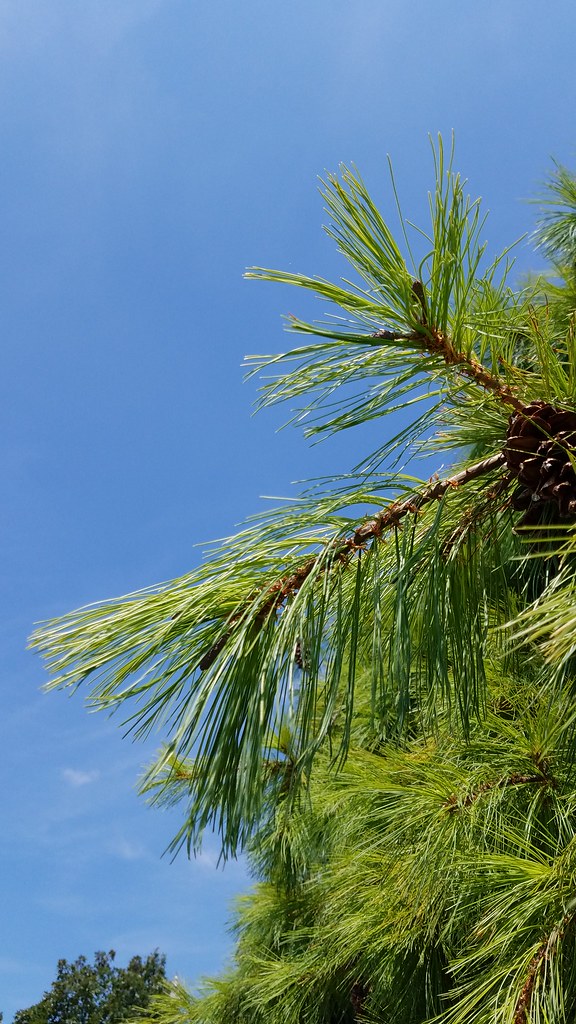
Pine is one of those scent words that arrives with a whole setting attached: green branches, a wooded trail, perhaps the first evergreen decorations of the season. But a pine-inspired soap does not necessarily smell like a holiday tree—or like the household products you remember from childhood. The finished blend matters more than the picture on the label.
What does pine smell like? In fragrance descriptions, pine generally suggests a fresh, green, resinous evergreen aroma, sometimes with woody or citrus-like edges. Those words describe an impression, not a promise that every pine material or finished bar will smell alike. Here is how to make sense of the language and decide whether this scent family belongs in your everyday routine.
What does pine smell like in a scent description?
Think of pine as a combination of greenery and resin rather than simply “wood.” The green side can feel crisp and needle-like; the resinous side adds a fuller, more rounded character. Depending on the blend, the result might seem bright and outdoorsy, softly woody, or distinctly sharp.
- Green: an impression of fresh foliage rather than dried timber.
- Resinous: a rich, tree-sap-like character that can feel warm beneath the freshness.
- Woody: a drier supporting impression, like branches or timber.
- Citrus-like: a bright edge that some people notice, even when the scent is not described primarily as citrus.
These comparisons are useful vocabulary, not a botanical identification test. Species, aromatic materials, proportions, and companion notes all influence what reaches your nose. Your own associations count, too: one person pictures a forest; another remembers a winter wreath.
Pine, fir, and cedar are not interchangeable
Pine and fir: two evergreen directions
Pine and fir share a recognizable coniferous setting. That overlap makes them easy to confuse, especially in a complex fragrance. Neither name guarantees that the finished scent will be softer, sweeter, or stronger than the other. A description that includes the full blend is more useful than a ranking based on the tree name alone.
For a neighboring scent family, our guide to fir needle’s fresh, woodsy aroma explains the green-branch character often associated with fir. Use the two descriptions as reference points rather than assuming the ingredients are identical.
Pine and cedar: green branches versus dry wood
As a broad fragrance comparison, pine often brings foliage to mind, while cedar often suggests a drier wooden character. A blend can include both impressions, or soften either with floral, citrus, or other notes. If you love woodsy scents but dislike a sharp evergreen impression, look for descriptions that emphasize warm, dry wood rather than crisp needles.
Why pine-scented soap can differ from your expectations
A scent name is shorthand. It does not tell you the exact ingredients, their proportions, or how prominent each note will be. “Forest,” “winter woods,” and “evergreen” may describe a creative fragrance direction rather than the presence of one specific botanical material.
Read the ingredient list alongside the scent description. An essential oil, a fragrance blend, and a botanical extract are not interchangeable terms. A photograph of pine branches is not evidence that a soap contains pine oil, either. When the distinction matters to you, ask the maker what the named scent refers to.
Also separate the smell of a dry bar from the experience of using it. Water, lather, and the surrounding room can change your impression. A bar that smells noticeable in its wrapper does not establish how long a scent will remain after rinsing. Avoid choosing on an assumed all-day fragrance promise.
How to decide whether the scent suits you
Start with what you already enjoy. If green, woody, and resinous descriptions sound appealing, pine may be worth exploring. If you prefer creamy sweetness or delicate florals, a mixed blend could feel more familiar than a strongly evergreen scent.
- Read beyond the headline. Look for companion notes and words such as crisp, soft, dry, sweet, or warm.
- Check the actual formula. Do not infer ingredients from the scent name or image.
- Smell a finished example when possible. A sample or an in-person visit is more informative than a general description.
- Start small. One bar is a simpler experiment than stocking an entire bathroom with a new scent.
If you are browsing from home, our guide to choosing a soap scent online offers a practical way to compare unfamiliar descriptions without turning every appealing name into a shopping commitment.
A seasonal scent does not need a seasonal deadline
Evergreen aromas fit naturally into late-fall and winter imagery, but your soap does not need to follow the decoration calendar. A green, woodsy scent can be an everyday preference. Choose it because you enjoy the experience, not because November has issued instructions.
For gifts, familiarity is more useful than a festive label. Someone who already enjoys forest-like fragrances may welcome that direction; someone whose preferences you do not know may appreciate being asked first. Keep the original label with the gift so the recipient can read the ingredients and directions.
Explore woodsy soap with a little more confidence
The useful question is not whether pine is the “best” scent. It is whether the complete blend sounds like something you would enjoy using. Pine suggests green needles and resin, but the details belong to the finished formula.
Explore Plumera’s handmade bar soap collection and compare the current descriptions for a scent that fits your taste. This guide describes a fragrance family, not an announcement of a new pine product. A thoughtfully chosen bar and a simple routine are plenty: beauty through simplicity, with room for your own preferences.