
What Does Marjoram Smell Like? A Warm Herbal Scent Guide
- Posted by
Allison Savino
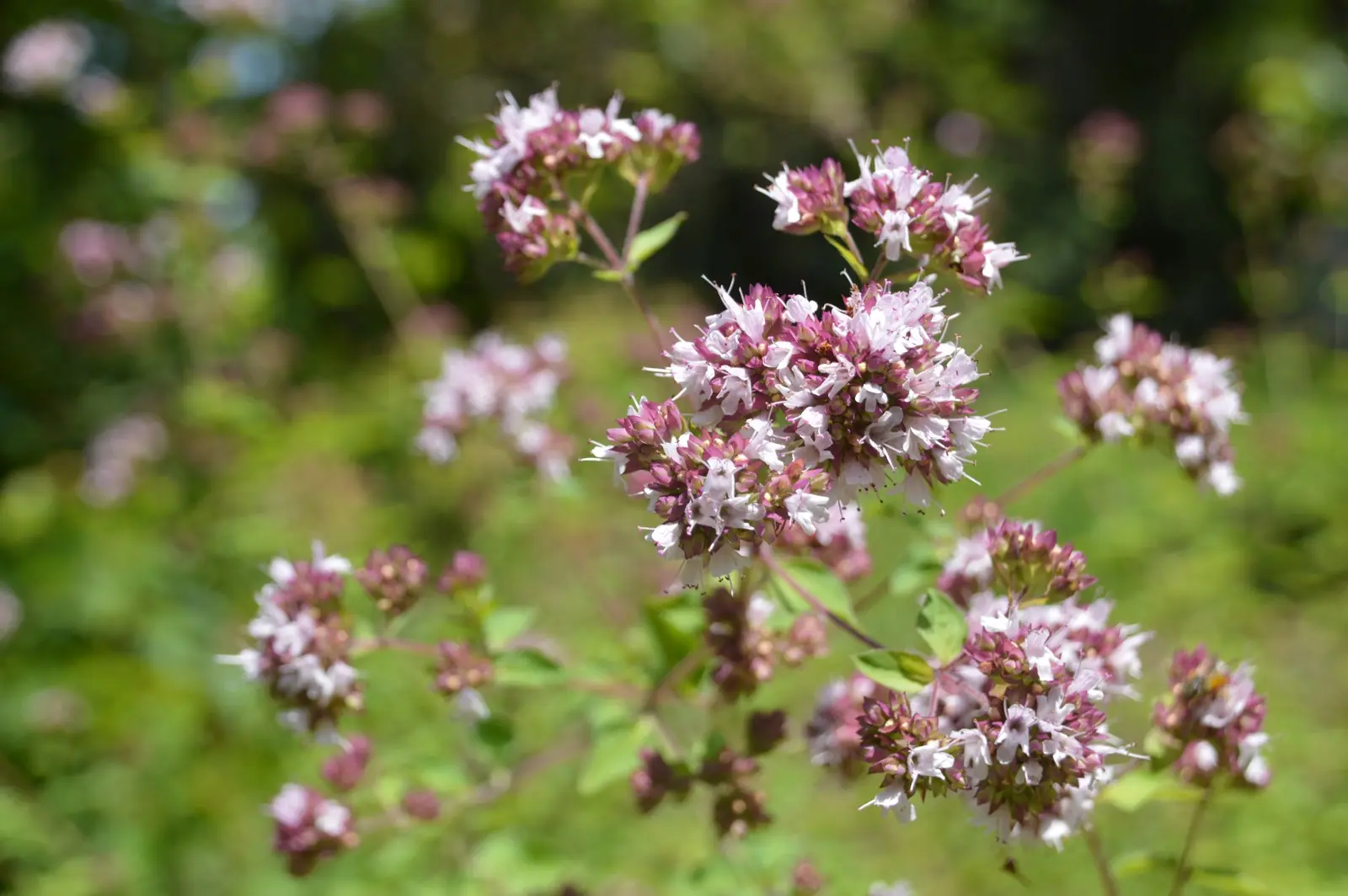
Some herbal scents arrive like a freshly cut bouquet. Others feel closer to a sunny garden path, with warm leaves and a little spice. Sweet marjoram belongs in that second conversation. If you have seen its name in a fragrance description and wondered what to expect, think soft herbal warmth rather than a sugary dessert.
What does marjoram smell like? Sweet marjoram is generally described as herbal, gently spicy, woody, and subtly sweet. Depending on the material and the blend, it can also have a fresh, camphor-like edge. Those words describe an aroma, not a promise about what a skincare product will do. Here is how to translate them into a more useful shopping vocabulary.
Sweet marjoram’s scent, in plain language
Sweet marjoram is the aromatic herb known botanically as Origanum majorana. Its name may be familiar from the kitchen, but a fragrance description asks you to consider the aroma separately from a recipe. Imagine the leafy character of an herb garden with a rounded, warm finish.
- Herbal: a green, leafy impression rather than a juicy fruit note.
- Gently spicy: an aromatic warmth, not necessarily the sharpness of pepper or the sweetness of cinnamon baking.
- Woody: a dry, slightly twig-like undertone that adds depth.
- Subtly sweet: a softer edge within the herb itself, not an automatic vanilla or candy effect.
There is no single comparison that captures every version. Fresh leaves, dried herbs, an aromatic extract, and a finished scented bar are different experiences. Use the description as a direction, not a scratch-and-sniff guarantee.
Does sweet marjoram smell like oregano?
The comparison makes sense: marjoram and oregano are closely related aromatic herbs. University of California gardening guidance describes marjoram as a milder, sweeter alternative to spicier oregano. That is a useful starting point for imagining the family resemblance, although a culinary comparison is not a finished-fragrance specification.
If oregano makes you picture a strongly seasoned meal, marjoram may sound less appealing than it actually is in a blend. A finished fragrance does not have to reproduce the kitchen herb literally. Other notes can shift the overall impression toward fresh greenery, dry woods, or a softer aromatic character.
Equally, do not assume that every product described as herbal contains marjoram. “Herbal” is a broad scent-family word. The ingredient list and the seller’s specific description matter more than a garden photograph or a green label.
What does “sweet” mean in sweet marjoram?
In this context, sweet is part of the familiar plant name and can also describe a relative softness in the aroma. It does not mean that the fragrance will smell like frosting, caramel, or a holiday cookie. This distinction is especially helpful in fall, when warm-scented collections often mix herbal, woody, spicy, and dessert-inspired options.
If you enjoy warmth but prefer to skip bakery-style fragrances, look beyond the word sweet. Read the whole description for clues such as leafy, dry, woody, or aromatic. If the surrounding notes are sugary or creamy, the finished blend may head in a very different direction.
How marjoram can fit into a scent description
Alongside citrus
A description pairing herbs with citrus suggests a contrast between leafy warmth and brighter fruit notes. The important question is which side leads. A citrus-led fragrance with an herbal accent can feel quite different from a predominantly herbal blend with a small citrus detail.
Alongside woods
Herbal and woody notes can suggest a drier, more grounded scent direction. For shoppers who prefer less sweetness, that vocabulary may be more helpful than broad labels such as fresh or natural. Neither label tells you how strong the finished aroma will be.
Alongside other herbs
Several herbal notes together can create a layered garden impression. Rather than trying to identify each one from the name alone, ask whether the overall result is crisp, soft, spicy, or woody. You are choosing the finished experience, not sitting an herb-identification exam.
How to shop for an herbal soap you will enjoy
Start with what you already like. Do you favor fresh green notes, warm woods, or a bright citrus opening? Then compare those preferences with the actual product description. Our guide to choosing a soap scent online offers a practical way to turn those preferences into a shorter shopping list.
When browsing Plumera’s handmade bar soaps, check the individual listing for its named scent, ingredients, and directions. This article explains a botanical scent vocabulary; it does not announce a marjoram product or suggest that every Plumera bar contains this herb.
For a November gift, familiarity is more useful than novelty for its own sake. A recipient who already enjoys herbal aromas may appreciate that direction. Someone whose preferences you do not know is harder to match. Ask about the scents they use, rather than assuming that botanical means universally appealing.
A few quick marjoram scent questions
Is marjoram a floral scent?
Its plant has flowers, but sweet marjoram’s aromatic profile is usually described primarily as herbal and spicy, with woody and softly sweet aspects. A flowering botanical image does not make the finished fragrance a floral bouquet.
Will a marjoram note smell identical in every product?
No. The aromatic material, other fragrance notes, and finished formula all shape the result. A scent description cannot establish how a product will smell on every person or how long its aroma will remain noticeable.
Should I add kitchen marjoram to my skincare?
This is a scent-reading guide, not a DIY formulation recipe. Choose finished products intended for their stated use and follow their directions. Recognizing a plant name is different from knowing how to formulate with it.
Choose the whole scent, not just one intriguing word
Marjoram is a useful name to know if you enjoy the softer, warmer side of herbal aromas. Look for the full picture: leafy or woody, bright or dry, subtle or prominent. A little scent vocabulary makes it easier to choose everyday care you genuinely look forward to using. That is beauty through simplicity, with fewer guesses in the shopping cart.