Why Handmade Soap Needs Time Before Use: The Resting Process Explained
- Posted by
Allison Savino
A handmade soap bar may look ready as soon as it is cut, but good small-batch soap is not rushed from the worktable to the shower. It needs time to rest. That quiet interval is one of the least visible—and most important—parts of traditional soapmaking.
For shoppers, the waiting can seem mysterious. Why not wrap a fresh bar immediately? What changes while the soap sits? And does a longer wait automatically mean a better bar? The short answer is that time helps a newly made bar become firmer, more settled, and ready for everyday use. The longer answer is a lovely bit of practical craft.
What Happens When Handmade Soap Is First Made?
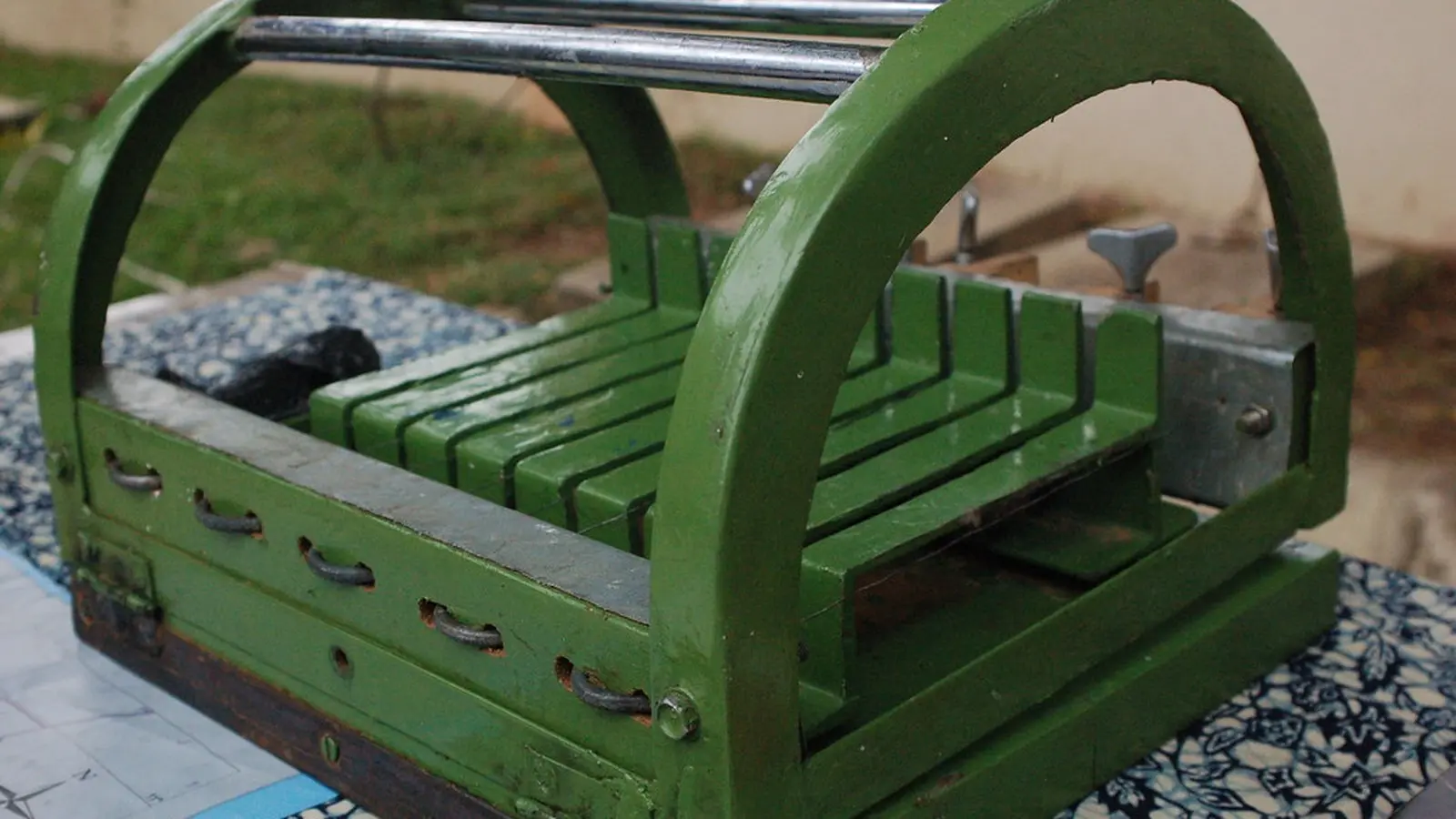
Traditional cold-process soap begins with carefully measured oils and an alkaline solution. When they are blended in the right proportions, they begin a transformation called saponification. The mixture thickens, is poured into a mold, and is left undisturbed before the loaf is removed and sliced into individual bars.
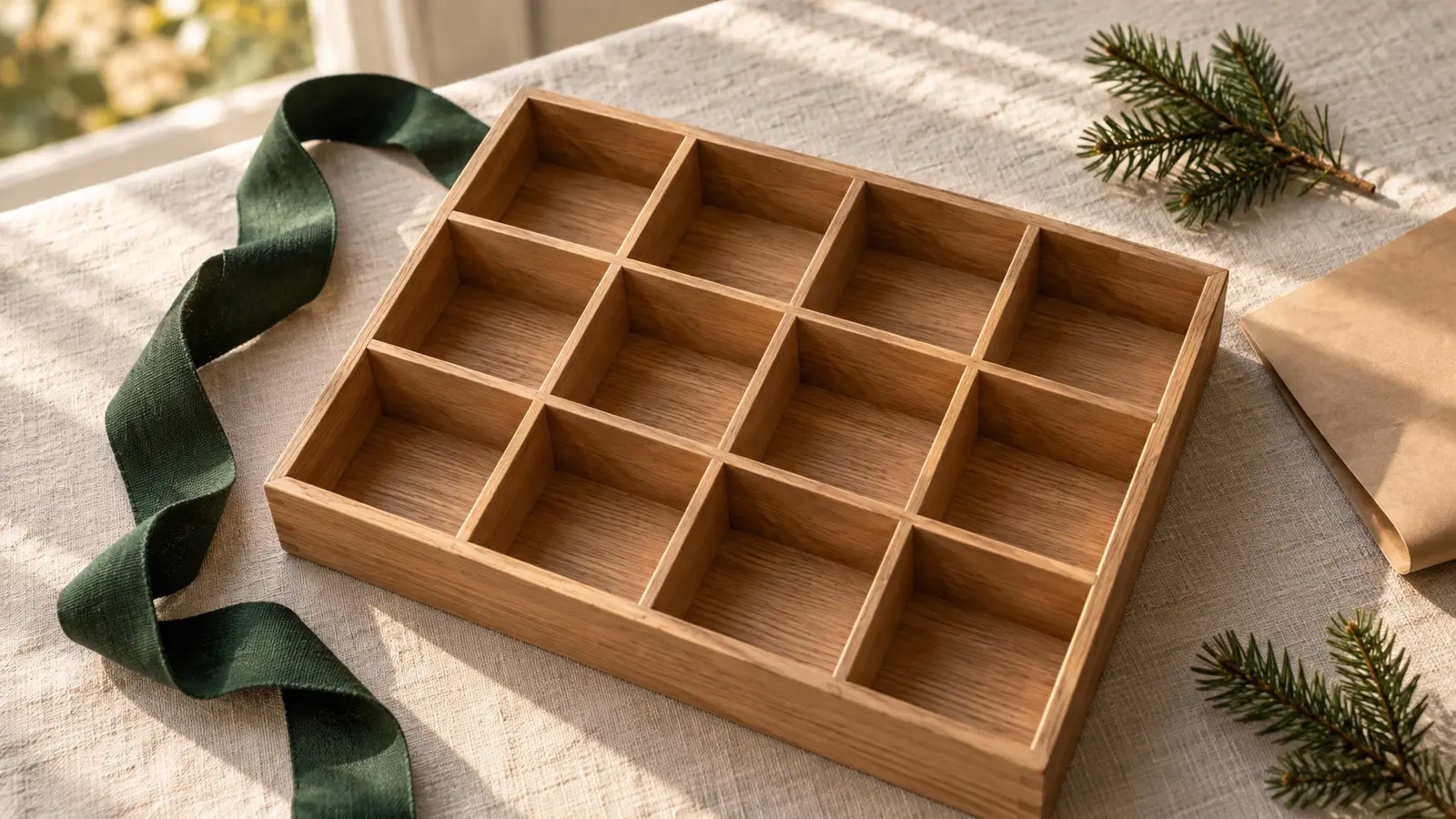
Cutting day is satisfying, but it is not the finish line. A freshly sliced bar still contains more water than it will later, and its texture is softer than the finished bar you use at the sink or in the shower. The next stage is less dramatic: the bars are arranged with space around them and left to rest in a clean, ventilated area.
Why Handmade Soap Needs a Resting Period
The resting period gives water time to gradually evaporate from the bar. As moisture leaves, the soap generally becomes harder and lighter. That firmer structure matters because a hard bar is easier to handle, less likely to become soft quickly, and better prepared for repeated use.
Time also allows the bar’s character to settle. Color may soften slightly, a scent blend may feel more integrated, and the surface can become drier and more even. Small variations are normal; they are part of working with oils, botanicals, temperature, humidity, and hands rather than an identical factory template.
Patience Is Part of the Formula
In small-batch soapmaking, waiting is not empty time. It is part of the production schedule. Makers plan shelf space, turn or check bars as needed, track batches, and resist the temptation to wrap them too soon. It is the clean-beauty version of letting bread cool before slicing: technically possible to rush, but the result is much nicer when everyone behaves.
How Long Does Handmade Soap Need to Rest?
There is no single timeline for every handmade soap. The oils in a formula, the amount of water used, bar size, room airflow, and local humidity can all influence the schedule. Many cold-process makers think in weeks rather than days, but the person who made the batch is best placed to decide when it is ready.
This is one reason small-batch production requires planning. A maker cannot simply notice a low shelf on Monday and produce finished replacement bars by Tuesday. Inventory must be made ahead, monitored, and given enough room to develop its finished texture before it is packaged.
Does a Longer Rest Always Mean a Better Bar?
Not automatically. More time can continue to make some bars harder, but age alone does not turn an ordinary formula into an extraordinary one. Thoughtful ingredient choices, accurate measurements, a well-managed process, sensible storage, and careful observation all matter.
The useful takeaway is not “older is always better.” It is “properly rested is better than rushed.” A skilled maker follows the needs of the formula instead of using the calendar as a marketing flourish.
Why Rested Soap Can Last Better in Your Routine
A firmer bar is ready to stand up to the rhythm of daily washing, but what happens in your bathroom still counts. Even a beautifully made bar will soften if it sits in pooled water. Give it drainage and air between uses, especially in a humid bathroom or a shower shared by several people.
Plumera’s soap dishes and bar-care accessories are designed to help handmade bars drain and dry between washes. Place the bar where water can move away from it, rather than on a flat ledge where it remains damp.
Three Easy Bar-Care Habits
- Use a draining surface. Ridges, slots, or an open weave help keep the bar out of standing water.
- Let air circulate. Avoid sealing a damp bar inside a travel tin or closed container.
- Rotate extras. Store unopened bars in a cool, dry place until you are ready for a new scent.
What Small-Batch Waiting Says About the Craft
The resting stage explains why handmade soap feels connected to a real maker. Each batch occupies physical space for weeks. It is checked, moved, counted, and eventually wrapped by hand. Production follows a rhythm rather than an instant refill button.
That rhythm also makes variation understandable. A botanical swirl may land differently from one loaf to the next, and hand-cut bars may not share machine-perfect edges. Those differences do not mean the process was careless. They are visual reminders that a person made the batch in manageable quantities.
If you are curious about the broader difference between artisan bars and mass-market options, read why handmade soap feels different. It offers a shopper-friendly look at formulation, texture, presentation, and the small-batch experience.
How to Shop for Handmade Soap with Confidence
You do not need to become a soapmaker to choose a good bar. Look for a clear ingredient list, realistic language, thoughtful packaging, and a maker who can explain the process without turning it into a chemistry exam. Useful product descriptions should tell you about scent, texture, size, and everyday use—not promise impossible results.
When a new batch is temporarily unavailable, the reason may be wonderfully ordinary: it is still resting. Waiting for the bar to be ready protects the craft and keeps the maker from cutting corners just to fill a shelf.
A Better Bar Begins Before the First Lather
The quality of a handmade soap routine starts long before the bar reaches your bathroom. Careful measuring shapes the batch. Cutting creates the individual bars. Resting builds firmness. Good storage keeps them ready. Then a draining dish helps you enjoy each bar at home.
Explore Plumera’s small-batch handmade bar soaps when you are ready to choose a scent for your sink or shower. Behind every finished bar is a stretch of quiet patience—and in a world obsessed with overnight everything, that may be the most refreshing ingredient of all.