
Why Handmade Soap Lathers Differently in Hard Water
-
Posted by
Allison Savino
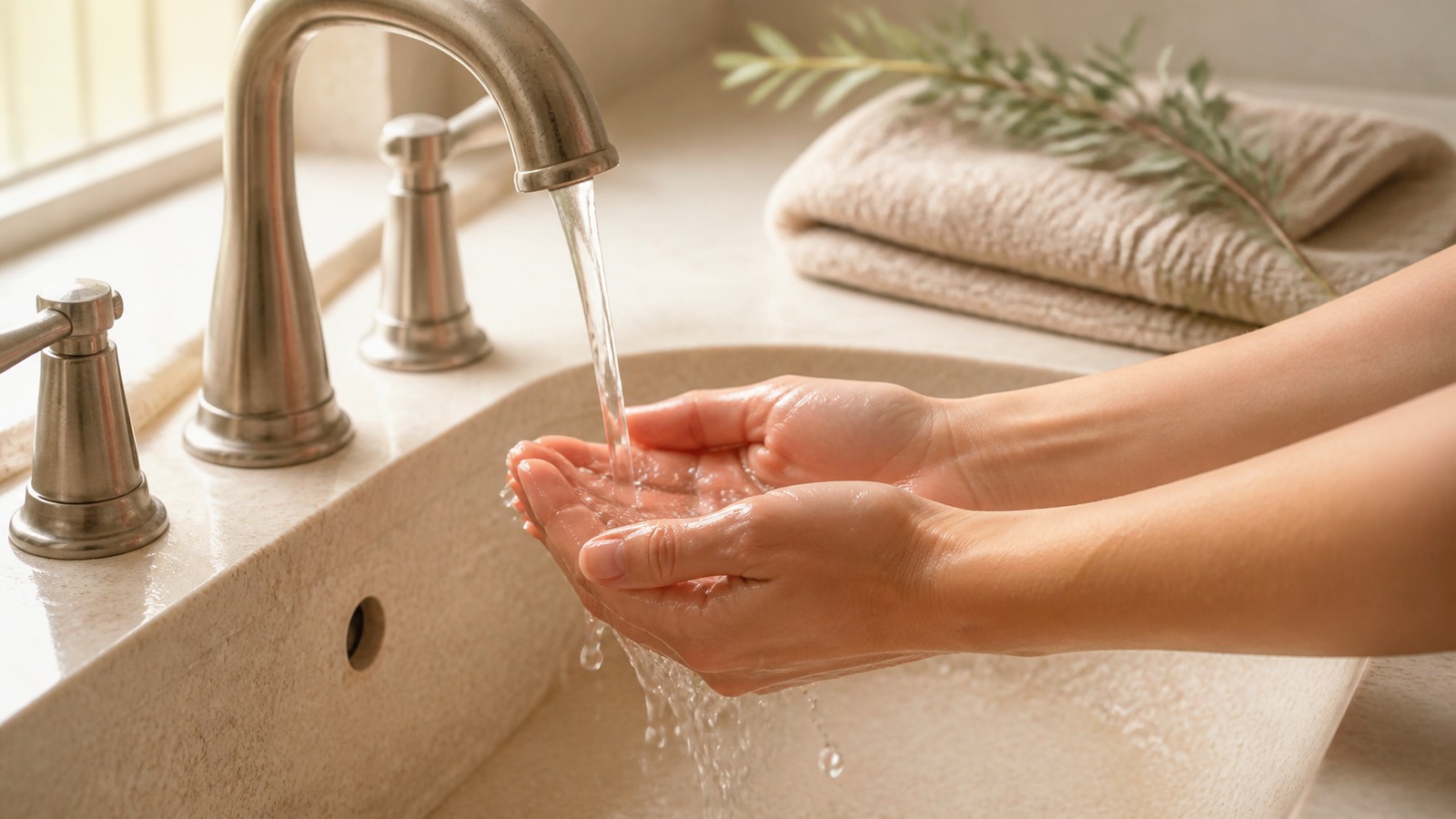
You bring a handmade soap bar into the shower, add water, and expect a generous cloud of bubbles. Instead, the lather seems quieter than usual—or noticeably different from the bubbles you saw at another sink. The soap may be exactly the same. The water is often the variable.
Hard water contains higher levels of dissolved minerals, especially calcium and magnesium. Those minerals can interact with true soap as you wash, changing how quickly lather builds and how the rinse feels. Understanding that difference makes it easier to adjust your routine without blaming a perfectly lovely bar.
What Is Hard Water?
Water is described as “hard” when it carries a relatively high concentration of naturally occurring minerals. The exact level varies by region and can even differ between nearby homes depending on the local water source, plumbing, and household filtration.
Hard water is common, and it is not necessarily obvious from appearance alone. A glass of it can look completely clear. Clues around the home may include mineral spotting on faucets, a pale film on shower doors, or a kettle that develops scale over time.
Why Handmade Soap Lathers Differently in Hard Water
Handmade soap is created through a traditional soapmaking process that transforms oils and an alkali solution into soap. When that soap meets hard water, some of the soap molecules connect with calcium and magnesium instead of immediately helping to build bubbles.
That interaction can create an insoluble residue often called soap scum. It may collect on the sink or shower surface, and it can mean that more rubbing and water are needed before a full lather appears. The result is not proof that the soap is low quality. It is simply chemistry happening at the tap.
If you would like a closer look at the role of oils, technique, and water in bubble formation, Plumera’s guide to what creates lather in handmade soap explains the basics.
Hard Water vs. Soft Water: What You May Notice
In hard water
- Lather may take longer to build.
- Bubbles may look smaller or less abundant.
- The bar may need a little more water and friction.
- A light mineral-and-soap film may appear on bathroom surfaces.
In soft water
- Lather often builds more quickly.
- A smaller amount of soap may feel like enough.
- Rinsing can feel more slippery because fewer minerals are binding with the soap.
Neither experience tells the whole story about a bar. Bubble size, density, and speed also depend on the soap’s oil blend, age, temperature, and how it is used. Water hardness is one important piece of a larger lather puzzle.
How to Get a More Satisfying Lather in Hard Water
1. Start with a thoroughly wet bar
Hold the bar under warm water for several seconds before rubbing it between wet hands or onto a washcloth. A quick splash may not provide enough water to loosen the surface and begin building lather.
2. Add friction before adding more soap
Roll the bar between your palms for 15 to 20 seconds, or work it against a damp washcloth or mesh soap saver. The extra movement helps create a denser lather without automatically using more of the bar.
3. Try a washcloth or soap saver bag
A textured tool can help incorporate air and water more efficiently. It is especially useful for small end pieces that are difficult to hold. Plumera’s soap dishes and soap-saving accessories can help make the entire bar easier to use and store.
4. Let the bar dry between uses
Good drainage matters in every water type. Place the bar on a well-draining dish rather than leaving it in a puddle or in the direct shower stream. A firm, dry bar is easier to handle and lasts longer than one that stays constantly wet.
5. Keep expectations realistic
A dramatic tower of bubbles is not the only sign of an enjoyable wash. Creamy, close-to-the-skin lather can feel just as satisfying. Focus on the complete experience: the scent, the glide, the rinse, and how thoughtfully the bar fits into your routine.
Does More Lather Mean a Better Clean?
Not automatically. Lather is useful because it helps distribute soap and makes the washing process easy to see and feel, but bubble volume is not a quality score. A high-bubble bar and a lower-bubble bar can both be beautifully made.
Different oil blends naturally produce different lather profiles. Some create large, quick bubbles; others contribute a creamier texture. That is part of the charm of small-batch soap: each formula has its own balance rather than being engineered to look identical in every bathroom.
Choosing Handmade Soap When You Have Hard Water
Begin with scent and routine rather than chasing the biggest possible bubbles. A bar you enjoy reaching for is more likely to become a consistent part of your day. Then adjust the technique: wet it well, build lather with deliberate friction, and give it a dry place to rest afterward.
You can explore Plumera’s collection of handcrafted bar soaps to find a scent that suits your sink or shower. Because every household’s water is a little different, trying a bar in your own routine is the most useful test.
A Simple Water-Smart Soap Routine
- Wet your hands, washcloth, or soap saver thoroughly.
- Wet the soap bar for several seconds.
- Build lather with steady friction for 15 to 20 seconds.
- Wash and rinse with fresh water.
- Return the bar to a dry, well-draining spot.
Hard water can change the lather, but it does not have to complicate your clean-beauty routine. A little more water, motion, and drainage usually makes the experience feel far more intuitive. Beauty through simplicity sometimes begins with understanding what is coming out of the faucet.