What Is Castile Soap? Olive Oil Tradition vs. Modern Blends
- Posted by
Allison Savino
Castile soap sounds like a very specific thing—until you compare two labels and find completely different oil blends. One bar is made with olive oil alone. Another product uses several plant oils and comes in a bottle. Both carry the same familiar name.
So, what is Castile soap? In its traditional sense, it is an olive-oil soap. On modern shelves, the term is also used for soaps made with a blend of vegetable oils. Understanding that distinction makes shopping simpler, whether you are refreshing a bathroom shelf for fall or looking more closely at the handmade bars you already enjoy.
What does “Castile soap” mean?
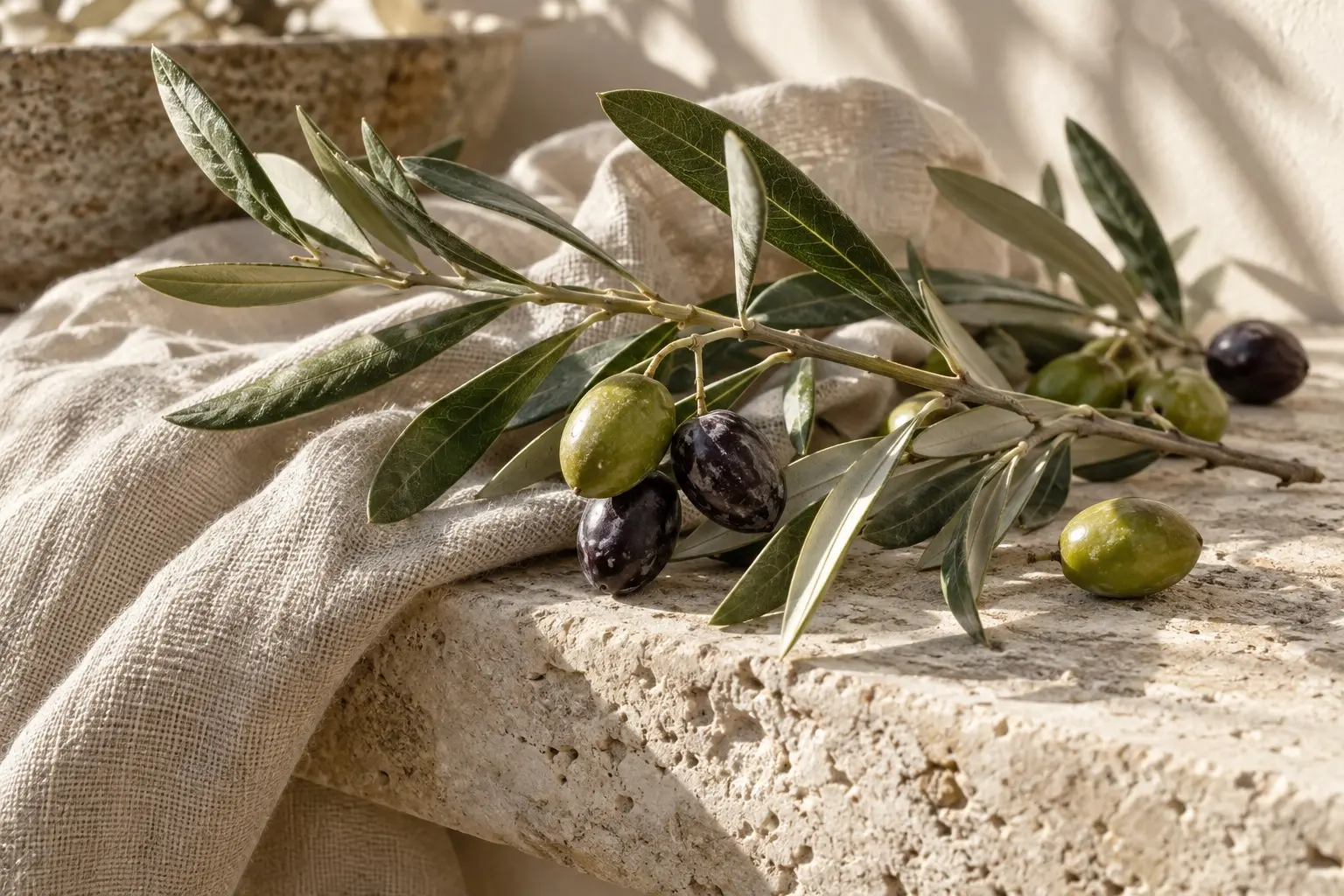
The name comes from the Castile region of Spain and its connection to olive-oil soapmaking. The traditional definition centers on olive oil as the soap’s oil base. That does not mean the finished bar is literally a block of olive oil: soapmaking transforms oils through a reaction called saponification.
Merriam-Webster’s definition of Castile soap describes a hard soap made from olive oil and sodium hydroxide, while also recognizing similar soaps under the term. That little bit of flexibility helps explain why the name can appear on different formulas.
Today, some manufacturers use “Castile” more broadly for vegetable-oil soaps. The useful question is therefore not just “Does the front say Castile?” It is “Which oils does this particular soap contain?” The ingredient list is more informative than the category name alone.
Traditional olive-oil soap vs. a modern plant-oil blend
Traditional Castile: one oil at the center
When a maker describes a bar as traditional, all-olive-oil Castile, olive oil should be the sole oil used for the soap base. Water and the alkali used in soapmaking are separate parts of the formula. A scent or another added ingredient may still be present, so “all-olive-oil” does not automatically mean fragrance-free or a one-ingredient finished product.
If the exact oil base matters to you, look for a clear statement from the maker rather than relying on olive leaves pictured on the wrapper. Botanical imagery can tell a lovely story, but it cannot replace a complete ingredient list.
Modern Castile: several plant oils working together
Some modern Castile products combine olive oil with oils such as coconut, hemp, or jojoba. Different oils contribute different characteristics to a finished soap, including its lather and texture. A blended formula is not automatically less thoughtful than a single-oil one; it is simply a different formulation choice.
For a closer look at that decision, our guide to why handmade soap uses a blend of oils explains how a soapmaker builds a bar around several ingredients rather than one headline botanical.
Is Castile soap the same as cold-process soap?
No. These terms describe different things. “Castile” points to an oil-base tradition or a plant-oil category. “Cold-process” describes a way of making soap. A soap can fit both descriptions, but the words are not interchangeable.
Likewise, “handmade” describes how a product is produced, not its exact recipe. A handmade bar may use several oils, while an olive-oil soap may be produced on a much larger scale. Keeping the ingredient story separate from the production method makes product descriptions much easier to compare.
It also means you should not assume every handmade soap containing olive oil is traditional Castile. Olive oil can be one member of a broader blend without defining the whole bar.
Why does Castile soap come in bars and liquids?
Castile soap is sold in both formats. Solid and liquid soaps generally use different alkalis in their formulation: sodium hydroxide is associated with bars, while potassium hydroxide is associated with liquid soap. The format is not a reliable shortcut for figuring out whether olive oil is the only oil in the recipe.
For everyday shopping, focus on the finished product and its directions. A concentrated liquid and a ready-to-use bar are not interchangeable scoop for scoop. Follow the instructions for that exact product rather than borrowing a dilution suggestion from a different bottle or an unrelated online recipe.
A bar may suit a sink with good drainage. A liquid may suit someone who prefers a pump. Neither format earns extra points simply for looking more traditional; the best fit is the one that works comfortably in your routine.
A simple checklist for comparing soap labels
- Read the oil base. Is olive oil the sole oil, or one of several? If the wording is unclear, ask the maker.
- Check the scent separately. Castile does not automatically mean unscented. Look at the full description and ingredients.
- Confirm the intended use. Choose a product labeled for the routine you have in mind rather than assuming every soap has every use.
- Compare the format and amount. Bar weight and liquid volume describe different products; price alone does not tell the whole story.
- Keep the care directions. Storage and use instructions belong with the soap, especially when you are giving it as a gift.
Where Plumera handmade soap fits
At Plumera, we prefer useful details over category shortcuts. Our handmade bar soap collection is a place to explore individual scent descriptions and formulas—not a blanket promise that every bar is traditional Castile soap.
Start with the experience you want: a scent you enjoy, a bar that fits your sink or shower, and a formula you have taken time to read. You do not need to replace a favorite soap simply because another one carries a more historic name.
The takeaway is straightforward: traditional Castile centers on olive oil, modern usage can include other plant oils, and the label supplies the details that matter. A little ingredient curiosity goes a long way toward a simpler shelf. Beauty Through Simplicity begins with understanding what you are choosing.