
What Does Cardamom Smell Like? A Fresh, Spicy Scent Guide
- Posted by
Allison Savino
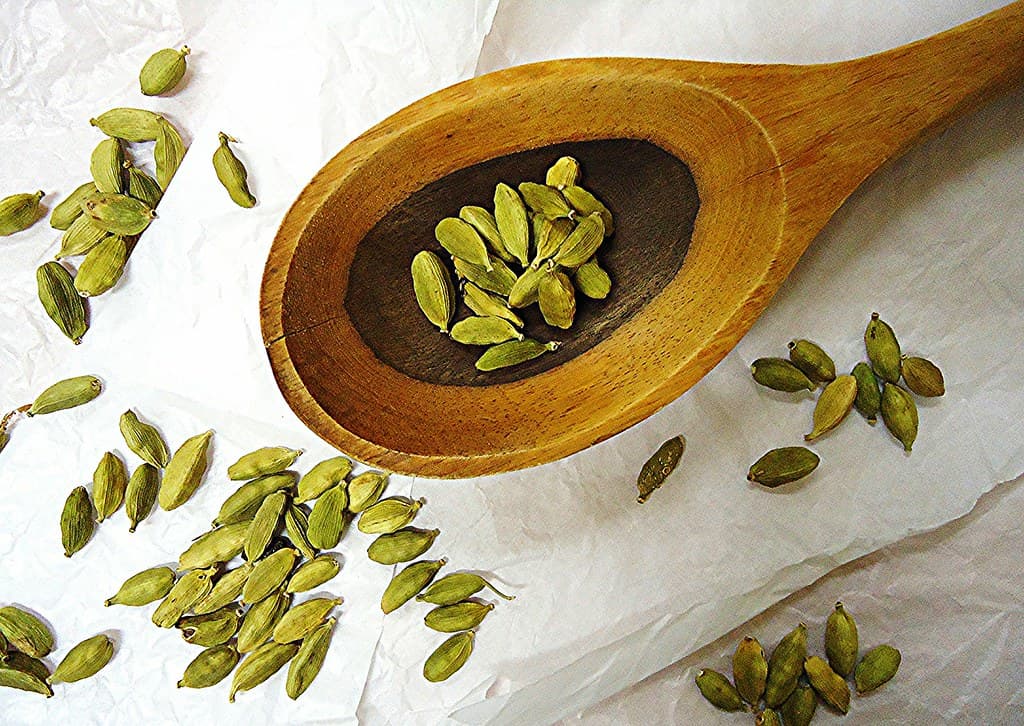
What does cardamom smell like? Green cardamom usually has a fresh, aromatic spice character: a little citrus-like, a little woody, and warmer underneath than its bright opening suggests. Think crushed green pods rather than a heavily frosted spice cake. It is a useful scent to understand when you enjoy autumn fragrances but do not want every shower to smell like dessert.
This guide is about recognizing a fragrance note and reading scent descriptions, not announcing a new Plumera formula. A cardamom-inspired description does not, by itself, tell you which ingredients are in a finished bar. That distinction makes shopping simpler—and keeps a lovely scent story separate from the facts on the label.
Cardamom’s scent: fresh spice with a warm edge
The easiest way to picture green cardamom is as a meeting point between the herbal and spicy scent families. It can feel airy and green at first, then suggest soft wood and gentle sweetness. Different people notice different parts of that combination, so one person may describe it as crisp while another calls it cozy.
The green, citrus-like opening
Cardamom can suggest lemon peel or freshly crushed herbs without smelling exactly like either. Some descriptions mention an eucalyptus-like aromatic quality. These are comparisons that help explain the smell, not proof that a blend contains lemon, eucalyptus, or any other named botanical.
The softer spicy character
Under that freshness is an aromatic warmth. Compared with the familiar idea of cinnamon or clove, green cardamom often reads as lighter and less bakery-like. It can still suit a fall routine, especially if you prefer a woodsy or herbal mood to a sugary one.
Does cardamom smell sweet?
It can have a mild sweet impression, but the surrounding blend matters. Pair a cardamom note with vanilla-style notes and the overall fragrance may feel creamy or dessert-inspired. Place it beside citrus or woods and the result can feel much drier and brighter. The word “cardamom” alone is not enough to predict the finished scent.
When shopping online, read the entire description rather than stopping at the headline ingredient. Words such as creamy, sugary, amber, crisp, green, and dry help explain the direction. If you dislike sweet scents, look for explicit language about the overall blend instead of assuming that every spice note smells edible.
Green cardamom and black cardamom are not interchangeable
Green and black cardamom are different aromatic references. Green cardamom is usually associated with the fresh-spicy profile described here. Black cardamom is often associated with a deeper, smoky character. A generic “cardamom” note in fragrance copy may not explain which impression the maker intends.
You do not need a botanical reference book to shop thoughtfully. If the distinction matters to you, ask whether the finished scent feels bright and herbal or smoky and dark. A clear description of the experience is often more helpful than a long list of evocative words.
How cardamom compares with other fall scent notes
- Cinnamon: often suggests familiar warm spice and baking. Cardamom can have a greener, airier impression.
- Clove: often reads as rich and strongly spicy. Cardamom may feel softer and fresher by comparison.
- Cedar: suggests dry wood rather than spice. A cardamom note can add aromatic contrast to that kind of profile.
- Citrus: usually emphasizes peel-like brightness. Cardamom can echo some of that brightness while retaining a spicy character.
These are scent-family comparisons, not fixed rules. A finished formula can shift the balance considerably. For a broader starting point, our guide to choosing a handmade soap scent online explains how to use scent families rather than guess from a product name.
What a cardamom note means on a soap description
A scent note describes an aromatic impression. An ingredient list describes what went into the formula. They are connected, but they do different jobs. A fragrance may suggest cardamom through a blend, while another formula may name cardamom oil among its ingredients. Read both parts of the product page before drawing conclusions.
Also keep the format in mind. A soap description is not a promise that the scent will behave like a perfume or remain noticeable for a particular number of hours. Bar aroma, lather aroma, and the impression after rinsing may differ. Use the maker’s description as guidance rather than a guarantee of intensity or staying power.
A simple way to choose your next autumn soap
- Pick your preferred direction. Decide whether you want fresh and herbal, dry and woody, or soft and sweet.
- Read the whole blend. Look for supporting notes that match that preference, not just one appealing word.
- Check the current ingredient list. Do not infer ingredients from the scent name, the photograph, or the season.
- Choose one bar to start. A modest purchase gives you room to learn what you actually enjoy in your routine.
If cardamom’s fresh-meets-warm character appeals to you, use that preference as a shopping clue—not a requirement that every future bar contain cardamom. Browse Plumera’s handmade bar soaps and compare the available scent descriptions. The goal is a bar you look forward to using, not the longest fragrance vocabulary.
The takeaway: cozy does not have to mean sugary
Green cardamom is a useful reference for fresh, aromatic spice with a gentle warm side. It can help you describe the space between bright citrus, leafy herbs, and deeper woods. Whether you are choosing an everyday bar or thinking ahead to a thoughtful seasonal gift, knowing that distinction makes browsing feel less like guesswork.
Start with the scent family you already enjoy, read the label, and let one well-chosen everyday essential do its job. Beauty Through Simplicity can be that straightforward.
Photo: “Green cardamom” by Mauro Cateb, via Flickr, licensed under CC BY 2.0. Used without cropping.