What Does Petitgrain Smell Like? A Leafy Citrus Scent Guide
- Posted by
Allison Savino
If citrus makes you think of sweet orange slices, petitgrain offers a different picture: leafy branches, green freshness, and a soft woody finish. It belongs to the citrus conversation, but it does not smell like a glass of juice. That distinction makes it useful to understand when you are browsing handmade soap and trying to translate a scent description into something familiar.
Here is a simple guide to what petitgrain smells like, how it differs from orange and neroli, and what to look for in a finished soap. This is scent education, not a claim that every citrus bar contains petitgrain.
What is petitgrain?
Petitgrain bigarade is an essential oil steam-distilled from the leaves and green twigs of the bitter orange tree. The botanical source is commonly listed as Citrus aurantium. Unlike an oil associated with the juicy fruit or fragrant blossom, this ingredient captures the tree’s leafy side.
You may also encounter petitgrain oils associated with other citrus trees. When a product description simply says petitgrain, the bitter-orange version is a common reference, but the full ingredient information is more useful than the name alone. Ask the maker if the source matters to your purchase.
What does petitgrain smell like?
Petitgrain is usually described as green, fresh, gently citrusy, and woody. Imagine rubbing a citrus leaf between your fingers, then noticing the dry character of a slender branch underneath. There can be a floral suggestion, too, but the overall impression is often less sweet than the word orange might suggest.
Green rather than grassy
In scent language, green can suggest crushed leaves, stems, or leafy shade. It does not necessarily mean a freshly mowed lawn. With petitgrain, think of the foliage around the fruit rather than the fruit alone. That image helps explain why it can feel crisp without smelling sharply minty.
Citrusy rather than sugary
The citrus quality can feel restrained and slightly bitter. Here, bitter describes an aromatic impression, not something to taste. If sweet fruit scents are not your favorite, this leafier direction may be worth exploring. A finished blend can still be sweet, however, depending on its other notes.
Woody rather than smoky
The woody side is often more like a clean twig than a smoky fireplace. Descriptions such as dry, airy, or branch-like can be helpful comparisons. None of these words predicts exactly how a particular bar will smell; scent descriptions are a guide, not a photograph for your nose.
Petitgrain, neroli, and orange: one tree, different impressions
These names can appear together in fragrance descriptions, but they are not interchangeable. Different parts of the bitter orange tree provide different aromatic materials:
- Petitgrain: associated with the leaves and green twigs, with a green, woody-citrus character.
- Neroli: distilled from the blossoms, with a more distinctly floral character.
- Bitter orange peel oil: associated with the fruit’s outer peel and a more recognizably zesty citrus impression.
Think of them as three views of the same garden. The branch, the blossom, and the peel each tell a different part of the story. Sharing a botanical source does not make them substitutes for one another in an ingredient list.
How petitgrain can fit into a soap scent
A soapmaker might use a leafy citrus note alongside floral, herbal, or woody notes. With florals, it can add a greener contrast. With woods, it can make the overall description feel brighter. With other citrus notes, it can introduce a less fruit-forward dimension.
Those are fragrance possibilities, not a formula for predicting a finished bar. The balance of ingredients, the soap base, and the overall scent blend all matter. Reading a single aromatic ingredient cannot tell you the strength, sweetness, or exact character you will notice during a wash.
For a broader shopping framework, our guide to choosing a handmade soap scent online explains how scent families can help you narrow the options without needing an expert vocabulary.
How to shop for a leafy citrus scent
Start with the feeling you want from the fragrance, expressed in ordinary scent words. Do you prefer leafy over fruity, dry over sweet, or woody over floral? Pick two preferences before comparing bars. This keeps a long list of beautiful descriptions from becoming a guessing game.
Next, separate the scent description from the ingredient list. A phrase such as green citrus describes an impression; it does not automatically identify petitgrain. Look for the named ingredient if that specific material is what interests you. Likewise, a photograph of oranges cannot tell you which part of the plant appears in a formula.
If your preference is bright citrus beside wood rather than a specific petitgrain ingredient, Plumera’s Cedar Bergamot Natural Soap offers a different direction to explore. Its current description pairs bergamot with cedarwood, lavender, and ylang ylang, with pumice for texture. It is not presented here as a petitgrain soap; it is an example of how citrus and woods can share a scent profile.
A fresh direction beyond summer citrus
Leafy citrus scents need not belong to one season. As autumn brings warmer colors and richer fragrance descriptions, a greener choice can offer a welcome contrast. There is no rule that October must smell like dessert. Your everyday soap can simply smell like something you enjoy.
Keep the next purchase small and intentional. Read the current product details, consider texture as well as fragrance, and choose one bar that fits your preferences. Understanding petitgrain gives you another useful scent word—not another ingredient you need to collect.
Beauty Through Simplicity: a clearer description, a thoughtful choice, and an everyday routine that feels like yours.
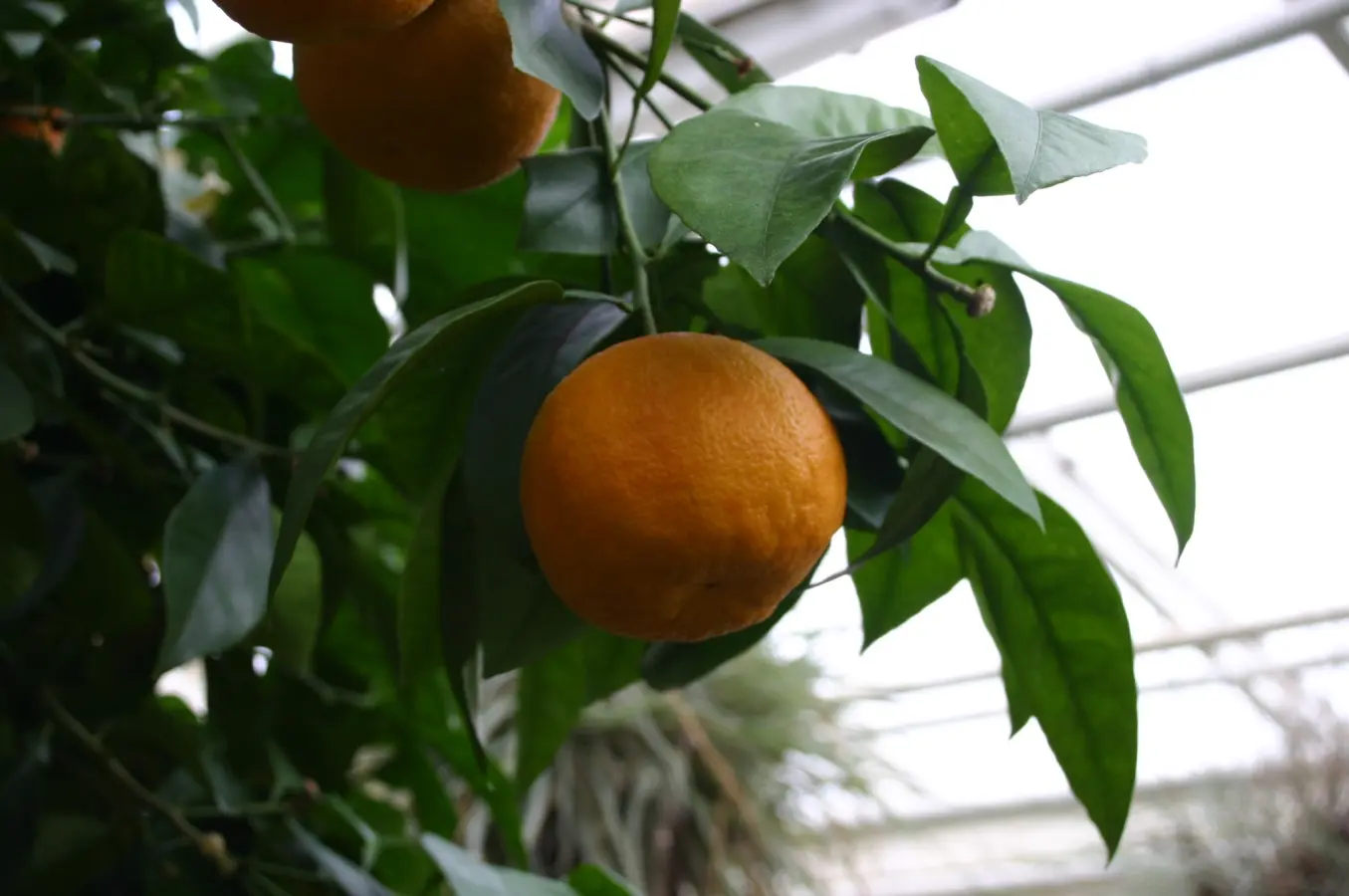
Featured photograph: “Citrus-aurantium-fruit.JPG” by Sten Porse, via Wikimedia Commons, licensed under CC BY-SA 2.5. Image used without editorial alteration; site-generated display sizes may vary.