
Rosemary in Handmade Soap: A Fresh Herbal Ingredient Guide
-
Posted by
Allison Savino
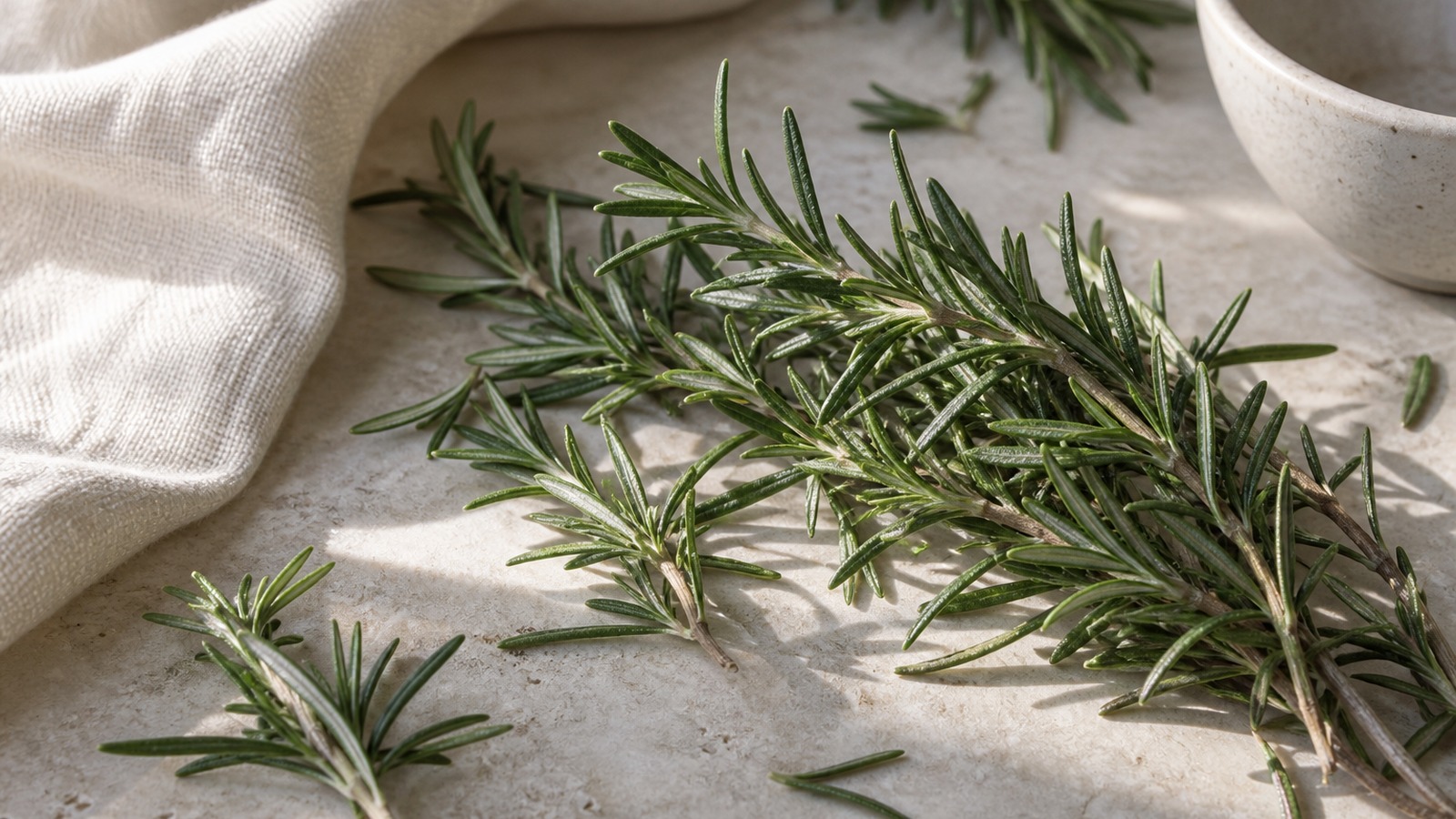
Rosemary has a familiar place in the kitchen garden, but its crisp, leafy character also makes sense in handmade skincare. Among soft florals, bright citrus notes, and warm woods, it brings something distinctly green: an aroma that feels more like brushing past an herb bed than opening a candy jar.
If you have noticed rosemary on a soap label, it helps to look beyond the plant’s name. A leaf, an essential oil, and an extract are different ingredients, and a finished bar can tell a very different scent story from a fresh sprig. This guide focuses on that everyday ingredient story: what to look for, what the aroma suggests, and how to choose a product you will enjoy using.
What does rosemary smell like?
Rosemary is commonly described as herbal, woody, and slightly pine-like, with a sharp, fresh edge. Some noses pick up an almost eucalyptus-like quality; others notice the familiar savory note first. Neither description is a rule. Scent is personal, and the surrounding ingredients change what stands out.
For a simple comparison, think of the difference between a leafy garden and a bowl of ripe fruit. Rosemary generally sits closer to the garden. It can give a blend definition without making it sugary or overtly floral. That makes it an interesting choice when you want freshness with a little more depth.
Rosemary leaf, essential oil, and extract are not interchangeable
A botanical name tells you where an ingredient comes from, but it does not tell you everything about its form or purpose. Read the complete ingredient wording rather than assuming every rosemary reference means the same thing.
Rosemary leaf
Whole or finely divided leaf material is physically different from an oil or extract. In a handmade product, visible botanical pieces may contribute to the appearance or texture. Their presence does not, by itself, tell you how strongly the finished formula will smell. A photograph of herbs beside a bar is not an ingredient list, either.
Rosemary essential oil
An essential oil is an aromatic ingredient, not simply a handful of leaves suspended in a bottle. In a finished soap, rosemary essential oil may be part of the scent blend alongside citrus, woods, or other herbs. The maker’s description and ingredient list are more useful than judging the bar by its color.
Rosemary extract
An extract is another preparation again. The word covers different ingredient specifications, so it should not be read as a promise of a strong rosemary aroma. If you are curious about why an extract appears in a particular formula, ask the maker about that exact ingredient. There is no need to turn a short label into a guessing game.
Why rosemary works with citrus and woodsy notes
Rosemary can act as a green link between two very different scent directions. Citrus adds brightness; deeper woodsy notes add warmth and weight. An herbal element can make the combination feel more layered without sending it into dessert territory.
Plumera’s Woodsy Citrus Natural Soap is one example of this kind of balance. Its current product description pairs sandalwood and vetiver with bergamot and rosemary, presenting an earthy, fresh aromatic finish. The useful shopping detail is the whole combination, not the expectation that rosemary will dominate every wash.
For early fall, that balance offers an alternative to sweet, spice-led scents. You can keep a bright element in your shower routine while moving toward something more grounded. Seasonal preference does not require a complete change of personality at the bathroom sink.
How to read a rosemary soap description
Start with the sentence that describes the overall fragrance. Words such as herbal, woody, citrus, earthy, or floral tell you more about the intended experience than a single ingredient name. Then look at the rest of the scent partners.
- Prefer a bright profile? Look for a description that gives citrus a clear role.
- Enjoy deeper aromas? Notice whether woodsy or earthy notes lead the blend.
- Want rosemary to be prominent? Ask how noticeable the herbal character is in the finished bar.
- Prefer little or no fragrance? Use that preference as your starting point rather than choosing a botanical simply because it sounds familiar.
Our guide to choosing a handmade soap scent online can help you translate those descriptions into a more useful shortlist. Think in terms of the blend you want to use, rather than collecting ingredients you feel you ought to like.
What rosemary does not tell you about a finished bar
One botanical cannot describe an entire formula. Rosemary on a label does not establish the bar’s lather, firmness, feel, or suitability for your personal preferences. Those details depend on the finished product and how it is made.
It also does not mean the soap should smell exactly like rosemary from your garden. The format and the other aromatic ingredients create their own impression. Read the current product information, follow its directions, and ask a specific question if the description leaves something important unclear.
Keep the choice simple
You do not need a bathroom full of competing scents to explore herbal notes. Choose one bar whose overall description appeals to you, use it in your regular routine, and notice what you actually enjoy: the brightness, the green edge, or the warm background.
Explore Plumera’s handmade bar soap collection with that preference in mind. Rosemary is one small part of a much bigger ingredient story, and sometimes a fresh, thoughtful detail is all an everyday routine needs. Beauty Through Simplicity leaves room for curiosity without making the choice complicated.