Oats in Handmade Soap: A Simple Ingredient and Texture Guide
-
Posted by
Allison Savino
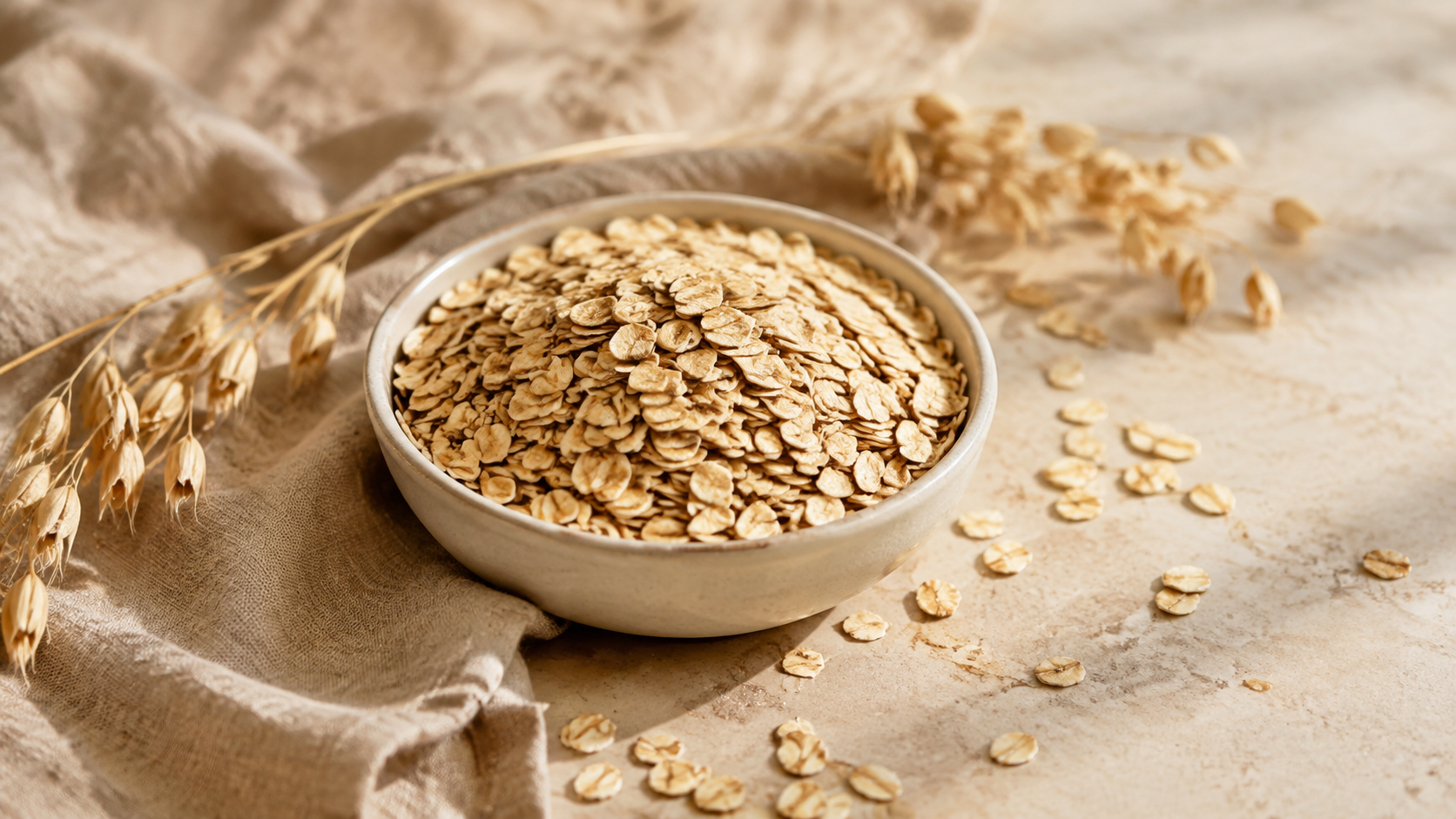
Oats have a way of making handmade soap look immediately grounded. A few visible flakes can give a bar a rustic, kitchen-pantry character, while finely milled oats can blend into the formula with a much quieter finish. The ingredient is familiar, but its role in a bar is more varied than the label might suggest.
For shoppers, the useful question is not whether an oat soap sounds virtuous. It is how the oats are prepared, how much texture the finished bar has, and whether that texture suits the way you like to wash. Here is a practical, claims-free guide to reading the details.
Why Do Makers Add Oats to Handmade Soap?
In handmade soap, oats can contribute visual character and physical texture. Whole rolled oats placed on top create an obvious decorative finish. Smaller flakes stirred into the batch may remain visible throughout the bar. Finely ground oats can create a more even, softly speckled appearance.
That range gives soapmakers plenty of design choices. Oats can suit a simple cream-colored bar, add contrast to a honey-toned design, or support an unfussy farmhouse-inspired look. They also pair naturally with warm scent directions such as almond, vanilla, spice, wood, or soft florals, although the exact fragrance depends on the complete formula.
Oats do not automatically tell you everything about a soap. The base oils, butters, scent materials, colorants, amount of water, bar shape, and resting time all help determine the finished experience. Think of oats as one member of the ensemble, not a soloist refusing to leave the stage.
Whole, Ground, or Colloidal: What Is the Difference?
Whole or lightly broken oats
Rolled oats are the most visually recognizable form. A maker may use them as a topping or mix a modest amount into the soap. Larger pieces create a more pronounced rustic look and can feel noticeably textured when the bar is wet.
A decorative oat topping may loosen as the bar is used. That is ordinary for a surface garnish and does not mean the bar was made incorrectly. If you prefer a smoother sink area, gently brush away any loose pieces before the first wash.
Finely ground oats
Grinding oats reduces the size of the flakes and helps them disperse more evenly. In a finished bar, they may appear as tiny cream or tan flecks rather than obvious pieces. The texture is usually subtler than a bar made with larger oat particles, although the final feel still depends on the amount used and the rest of the recipe.
Colloidal oatmeal
Colloidal oatmeal is oat material milled into a very fine powder. In ingredient-focused beauty products, this form can blend more smoothly than ordinary rolled oats. A label may identify the ingredient as oatmeal, oat flour, oat kernel flour, or by a botanical-style name, depending on the form and the maker’s labeling approach.
If the exact oat form matters to you, read the full ingredient list and product description rather than relying only on a photograph. Plumera’s guide to reading a handmade soap ingredient list explains how to separate the base formula, scent materials, colorants, and decorative additions.
Does an Oat Soap Always Feel Textured?
No. Two oat soaps can look similar online and feel quite different in use. A bar topped with whole flakes may have texture only on the surface. A bar with coarsely ground oats throughout may feel more tactile from beginning to end. A finely milled oat formula may feel comparatively smooth.
Product photography can offer clues. Look closely at the cut face, edges, and top of the bar. Large visible flecks usually suggest more noticeable texture; a uniform cream-colored surface may indicate a finer grind. The description should provide the clearest answer, especially when the photograph is styled from a distance.
If you already know you prefer a smooth bar, choose one that describes the oats as finely ground or milled. If you enjoy a rustic, tactile wash, visible oat pieces may be part of the appeal. Neither preference is more correct. Your shower is not a competitive judging panel.
How Oats Affect a Handmade Bar’s Appearance
Oats naturally bring shades of cream, beige, and soft gold to a design. In a pale soap base, they can create delicate speckles. In a darker or spiced bar, they may blend into the overall color and become more visible only after the first few uses.
Natural variation is normal in small-batch work. Oat flakes can settle differently from one pour to the next, and a hand-cut slice may reveal more or fewer speckles than the bar beside it. Surface toppings can also shift during cutting and handling. Those small differences are part of the handmade look.
For a wider view of why these details matter, explore how the human touch shapes small-batch handmade soap, from measuring and pouring to cutting and final presentation.
What to Look for When Choosing an Oat Soap
A useful product page should help you answer a few simple questions before you buy:
- What form of oats is used? Look for whole, ground, milled, flour, or colloidal wording.
- Where are the oats placed? A surface topping creates a different experience from particles mixed through the bar.
- How textured does the bar appear? Close-up photographs and plain-language descriptions should make this easier to judge.
- What is the scent direction? Oats have a mild natural aroma, but the soap’s stated scent materials usually define the aromatic profile.
- What else is in the formula? Review the complete ingredient list instead of making one familiar ingredient the whole story.
This small reading habit makes online shopping more reliable. It also helps you compare an oat bar with clay, salt, botanical, or smooth-finish soaps based on texture and scent rather than trend language.
Simple Care for a Textured Handmade Bar
After each use, place the bar on a dish or tray that allows water to drain away. Keep it out of a constant shower stream and give every side some airflow. If loose oat pieces collect on the dish, rinse the surface and let it dry before returning the bar.
A soap saver bag can help contain small pieces as the bar gets thinner, but it should also be rinsed and hung where air can circulate. The goal is not complicated maintenance. It is simply a clean, dry landing place between washes.
A Familiar Ingredient with Plenty of Handmade Character
Oats can be bold and rustic or fine and understated. Their appearance depends on the form used, their placement in the batch, and the choices made around the rest of the formula. Once you know what to look for, an ingredient list and a close-up photograph can tell you far more than the word “oatmeal” alone.
Browse Plumera’s handmade bar soap collection to compare colors, scents, textures, and small-batch details. Choose the bar that suits your routine, give it a well-draining place to rest, and enjoy beauty through simplicity—one thoughtfully made wash at a time.