
Clove in Handmade Soap: A Guide to Warm, Spiced Scent
- Posted by
Allison Savino
Some autumn scents announce themselves like a dessert menu. Clove takes a different route: warm, woody, and distinctly spicy, with a character that can make a bright citrus blend feel a little more rounded. If you enjoy a seasonal shower scent but do not want everything to smell like frosting, clove in handmade soap is worth getting to know.
This guide looks at clove as an aromatic ingredient, not a promise about what it can do for skin. The useful questions are simple: What does it smell like? How does it work alongside other scent notes? And what should you look for when choosing a finished bar?
What is clove?
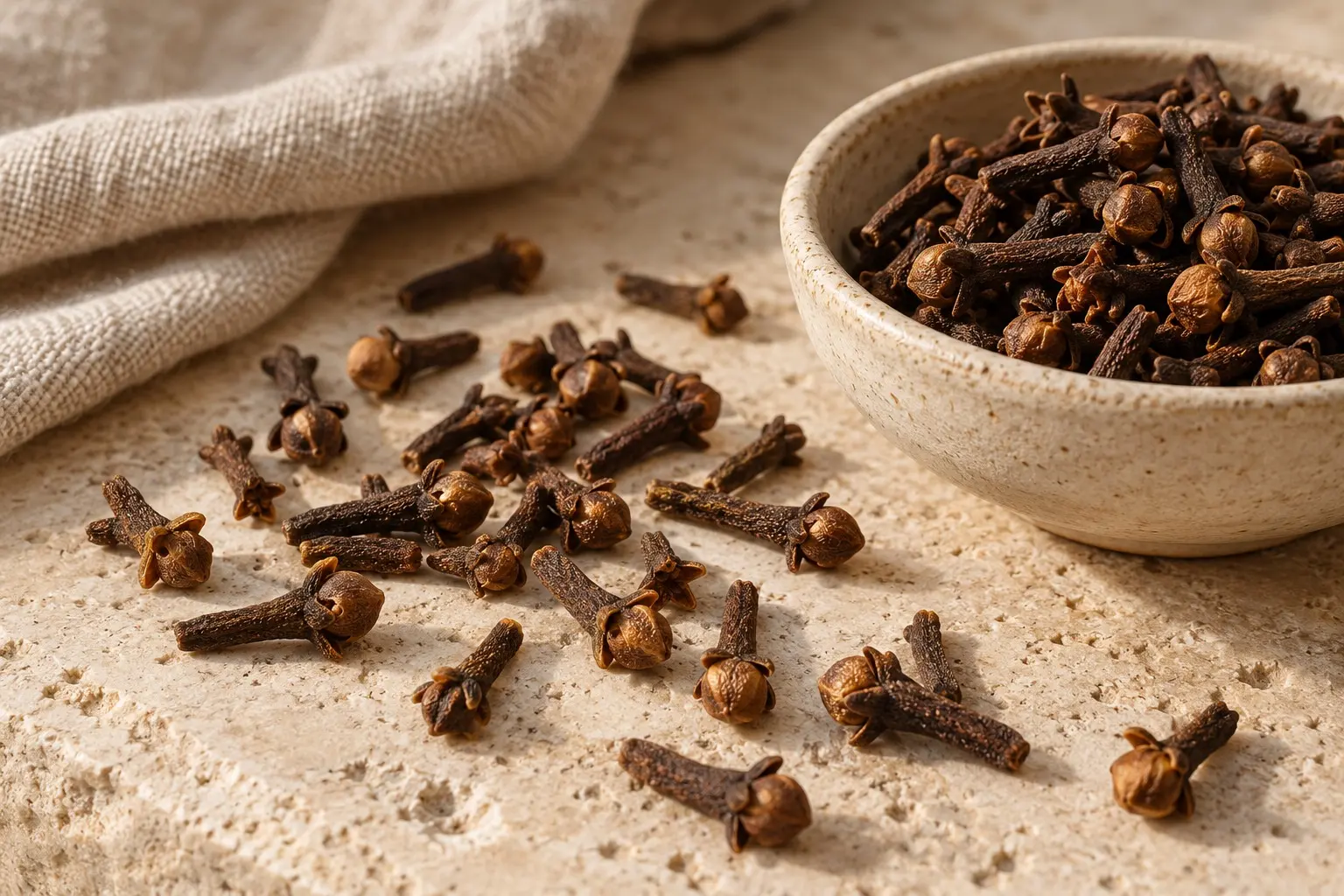
The whole cloves found in a spice jar are dried flower buds. Their small, nail-like shape and deep brown color are easy to recognize. As a scent reference, they suggest something concentrated and warm: a little woody, a little sweet, and unmistakably spicy.
A whole botanical and an essential oil made from that botanical are different ingredient forms. Seeing cloves in an editorial photograph does not mean a soap contains whole cloves or ground spice. For that detail, the product ingredient list is more useful than the picture, the color of the bar, or the season in which it is sold.
What does clove smell like in handmade soap?
Clove usually reads as warm spice rather than sugary sweetness. It can remind people of a spice cupboard, an orange pomander, or seasonal baking, but those associations are personal. In a finished soap, the surrounding blend matters as much as the individual ingredient.
Think of the difference between a squeeze of citrus and citrus paired with a woody spice. The citrus may still be the first thing you notice, while the spice gives the overall aroma more depth. That does not mean the soap will smell exactly like the raw ingredients arranged beside one another.
Warm does not mean a warming sensation
In a fragrance description, “warm” describes the character of the aroma. It is not a direction to seek a heating or tingling feeling on skin. Choose a bar for its intended use and follow the maker’s directions, rather than using scent vocabulary as a guide to how a product should physically feel.
Spicy does not automatically mean sweet
A clove-containing blend can lean toward citrus, herbs, woods, or a sweeter seasonal impression. Look at the whole scent description. Words such as “zesty,” “herbal,” and “woodsy” give different clues from “vanilla,” “sugary,” or “bakery.” The word “spice” alone cannot tell you which direction a bar will take.
Why pair clove with grapefruit and lavender?
Contrast can make a scent more interesting. Grapefruit contributes a bright citrus character, while clove brings a warmer spiced impression. Lavender can add an herbal-floral element between those two directions. The result is a way to explore spice without choosing a purely sweet autumn scent.
Plumera’s Grapefruit Clove Natural Soap is described as zesty grapefruit with warm clove and a lavender accent. Its current ingredient list names grapefruit, clove, and lavender essential oils. That makes it a concrete example of a citrus-and-spice pairing, rather than a reason to assume every clove soap smells the same.
The bar also contains a blend of oils, mango seed butter, and other ingredients. Its overall wash experience belongs to the complete formula. A single aromatic ingredient does not explain the bar’s lather, appearance, or feel on its own.
How to choose a clove-scented soap online
When you cannot smell a bar in person, a few specific checks are more useful than guessing from a photograph. Start with these three questions:
- What surrounds the clove? Read the other scent notes and decide whether you prefer a brighter citrus direction, a woodier blend, or a sweeter impression.
- What does the ingredient list actually say? Distinguish an essential oil from a powdered botanical or a scent description. Do not infer an ingredient from the product name alone.
- Does the whole bar fit your preferences? Consider the listed ingredients, intended use, size, and directions along with the fragrance. Aroma is one part of the choice, not the entire decision.
If you are still building your scent vocabulary, our guide to choosing a handmade soap scent online offers a broader way to compare scent families. It is especially helpful when two appealing product names tell very different aromatic stories.
Bring the autumn feeling into an everyday routine
You do not need to replace your entire bathroom shelf to mark a change of season. One soap with a scent you enjoy can be enough. Pair it with a clean towel and a draining soap dish, and let the routine stay uncomplicated.
For Grapefruit Clove, the current directions are straightforward: wet the bar and skin, work into a lather with hands or a washcloth, wash, and rinse thoroughly. Allow the bar to dry between uses on a well-draining dish. Keep the product’s own directions available rather than substituting tips intended for a different kind of skincare.
For gifting, think about the recipient’s actual preferences. Someone who loves citrus but finds dessert-like scents too sweet may appreciate learning about this pairing. Someone who prefers unscented products does not need convincing that a seasonal fragrance is essential.
A small botanical detail, a distinctive scent choice
Clove brings a recognizable spiced character to a blend, but the best choice is still the finished bar that suits your taste. Read the full description, check the ingredients, and leave room for personal preference.
If bright citrus with a warmer edge sounds appealing, explore the Grapefruit Clove bar and see whether its scent notes belong in your next everyday routine. A seasonal refresh can be that simple: one thoughtful choice, not a shelf full of new obligations.