
What Is Broccoli Seed Oil in Skincare? A Simple Guide
- Posted by
Allison Savino
Broccoli on an ingredient list can make you pause. Is it the familiar green vegetable, an extract, or something entirely different? In the case of broccoli seed oil, the important word is seed. This plant-derived oil belongs in a conversation about cosmetic texture, not a recipe for putting vegetables on your face.
If you are comparing botanical skincare during the holiday shopping season, learning to recognize an unfamiliar oil can make browsing less confusing. Here is a straightforward guide to the name, the sensory descriptions you may encounter, and the questions worth asking before adding anything to your routine.
What is broccoli seed oil?
Broccoli seed oil is a fixed vegetable oil obtained from broccoli seeds. It is not the green floret shown in a grocery display, and it is not an aromatic essential oil. Supplier NHR Organic Oils identifies it as a fixed oil from the seed in its broccoli seed oil documentation.
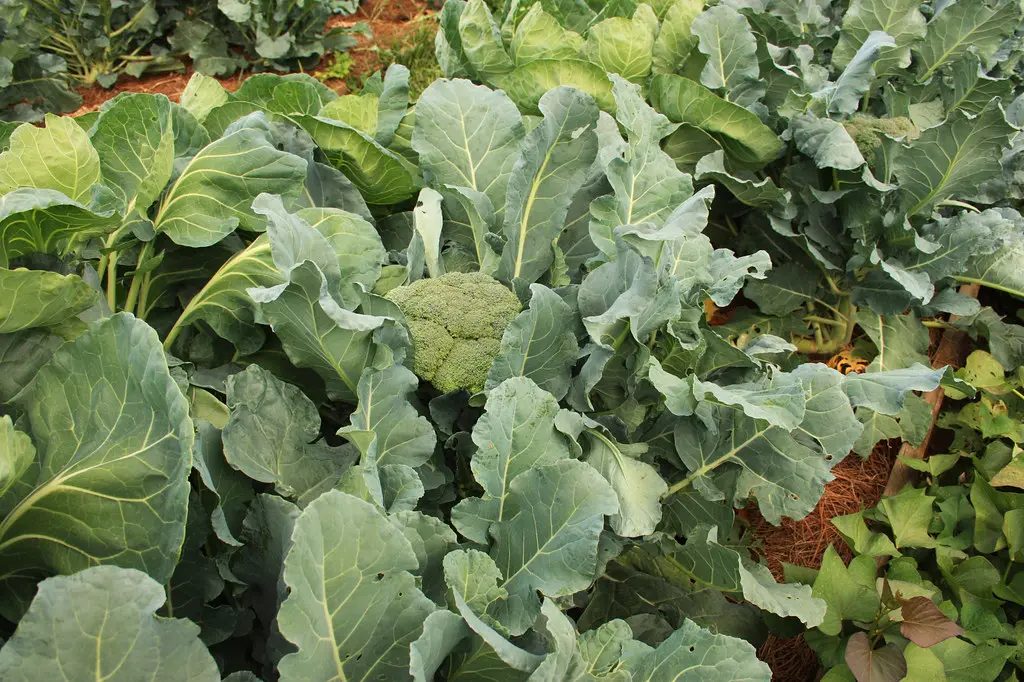
The distinction matters when reading a product description. A photograph of the plant tells a botanical story; it does not show the ingredient’s final appearance. The featured photograph here shows broccoli growing in a garden, not extracted seed oil or a Plumera product.
What name appears on a label?
Look for Brassica Oleracea Italica Seed Oil, sometimes written with “Broccoli” in parentheses. Praan Naturals uses the parenthetical version in its product documentation and describes its virgin oil as deep golden to amber. The familiar green vegetable and the oil from its seeds are different things to picture.
You do not need to memorize the full botanical name. Recognizing “seed oil” is a useful first step. When a listing uses only a broad phrase such as “broccoli complex,” ask for the complete ingredient list rather than assuming it means this specific oil.
Why does it appear in cosmetic formulas?
In supplier literature, broccoli seed oil is discussed as an emollient: an ingredient selected for a soft, smooth-feeling finish. Praan Naturals describes its virgin oil as having a non-greasy feel and lists applications including creams, lotions, balms, and hair products in its broccoli seed oil product guide.
Those descriptions are useful starting points, not a promise about every bottle containing the ingredient. For shopping purposes, keep two questions separate: “Why might a formulator choose this oil?” and “What is this finished product designed to feel like?” A brand’s product-specific description should answer the second one.
Try writing your own texture brief before browsing: perhaps “easy to spread, comfortable after dressing, and not too shiny.” That gives you something practical to compare with the product copy. An interesting botanical name can start the conversation without making the decision for you.
Does broccoli seed oil smell like broccoli?
Do not assume that a plant oil is scent-free. Praan Naturals describes its virgin broccoli seed oil as having an herbaceous aroma. That description applies to its raw ingredient, not automatically to every finished cosmetic.
If scent matters to you, look for an explicit description of the finished product. Ask whether the aroma is noticeable and whether other scent ingredients are present. For a gift, a familiar fragrance preference is a better starting point than hoping an unfamiliar ingredient will smell a certain way. A little clarity now is more useful than an elaborate explanation after the ribbon comes off.
How to compare a product containing broccoli seed oil
Start with the intended use
Read whether the product is intended for the face, body, hair, or another specific use. Keep your comparison within that category. Do not buy a hair product as a substitute for a face oil simply because both mention the same botanical.
Read beyond the highlighted ingredient
Find the complete list, directions, and description of the finish. Our guide to choosing skincare beyond the ingredient count offers a helpful companion perspective: focus on the product’s purpose rather than using a list of plant names as a shopping scorecard.
Ask a specific question
Instead of asking whether the oil is “good,” ask something you can use: “Is this finished formula richly textured or light-feeling?” “Is the scent noticeable?” “Where do the directions say to apply it?” Specific answers make comparison easier than broad praise.
A simple checklist for curious shoppers
- Identify it: Is the label naming broccoli seed oil, or a different broccoli-derived ingredient?
- Check the format: Is it a finished cosmetic intended for the way you want to use it?
- Clarify the experience: Can you find useful information about texture, finish, and scent?
- Keep the directions: Leave the original label with the product, especially when gifting.
- Skip the extra purchase when appropriate: Curiosity does not have to become another item on the bathroom shelf.
For holiday gifts, consider sharing a product link before ordering if you are unsure of the recipient’s preferences. Choosing together can still feel thoughtful. The surprise can be the note or presentation rather than an entirely unfamiliar routine.
Where this fits in Plumera’s plant-forward approach
This is ingredient education, not an announcement of a new Plumera formula or a statement that our products contain broccoli seed oil. Always consult the current ingredient list for the exact item you are considering.
If you are exploring everyday oil-based care, browse Plumera’s Flower Power face and body oils and compare their own descriptions with the texture and scent you enjoy. You do not need the newest botanical to build a thoughtful routine. You need clear information, a product that fits your day, and room to keep things simple.
Botanical photograph: “Broccoli in Garden,” Alabama Extension, via Flickr; CC0 public-domain dedication. The image shows the source plant, not seed oil or a finished skincare product.