What Does Patchouli Smell Like in Handmade Soap?
- Posted by
Allison Savino
Some soap scents announce themselves with bright citrus or a sweet floral note. Patchouli takes a different route: earthy, woody, and often a little mysterious. If you have seen it in a handmade soap description and wondered whether it means forest floor, incense, or something sweeter, you are asking the right question. The surrounding blend matters as much as the name.
This guide explains what patchouli smells like, how to read it in a soap description, and how to decide whether its character belongs in your everyday routine. It is an ingredient-and-scent guide, not an announcement of a new Plumera product.
What does patchouli smell like?
Patchouli is commonly described as earthy and woody, with an aromatic edge. Depending on the material and the blend, people may also notice dry leaves, a softly sweet depth, or a camphor-like sharpness. Those descriptions are scent comparisons, not a promise that every patchouli soap smells the same.
Think of the difference between fresh orange peel and fallen leaves on a woodland path. One feels bright and immediate; the other feels deeper and more textured. Patchouli generally sits closer to the second impression. It can contribute richness without making a fragrance smell like dessert.
Personal associations also matter. Someone who connects patchouli with incense may notice that quality first. Another person may think of wood, earth, or an old-fashioned perfume. Neither reaction is wrong. Your own response is more useful than a fashionable scent description.
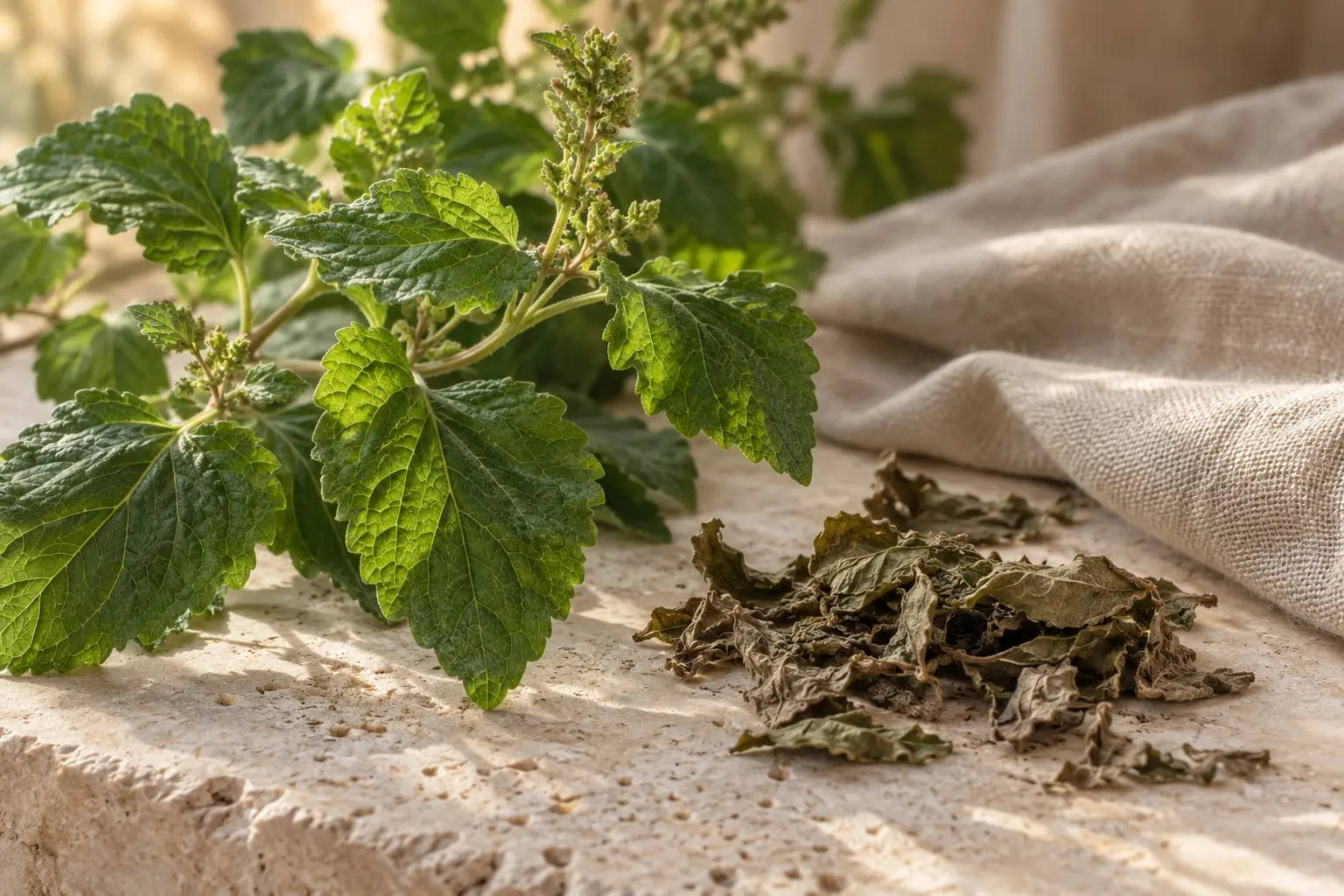
Patchouli comes from a leafy plant, not a tree
Despite its woody character, patchouli essential oil comes from an aromatic plant rather than a cedar or sandalwood tree. The botanical name you may encounter is Pogostemon cablin. On an ingredient list, the oil can appear as Pogostemon Cablin Leaf Oil.
This is a helpful example of why a scent family and an ingredient source are different things. A leafy plant can smell woody; a floral blend can smell green; a citrus blend can have a warm finish. The words describe the overall impression, not necessarily the part of a plant used.
A soap named for patchouli might use patchouli essential oil, a fragrance blend with a patchouli-style note, or a combination. Read the actual ingredient list rather than assuming the product name tells the whole formulation story.
Why the other scent notes change the experience
Patchouli does not have to be the loudest voice in a blend. Sometimes it is central; sometimes it adds an earthy background beneath brighter or softer notes. The description should help you understand which role it plays.
Patchouli with citrus
Citrus notes can give an earthy composition a brighter opening. If you like the idea of depth but do not want an entirely dark or heavy impression, a description that emphasizes orange, bergamot, or another citrus note may be worth exploring. The balance still depends on the finished blend.
Patchouli with flowers
Rose or other floral notes can create a softer contrast with patchouli’s earthy side. This direction may appeal if you enjoy a more perfume-like soap scent. Look for the maker’s description of the whole bar rather than deciding from the word “floral” alone.
Patchouli with woods or spice
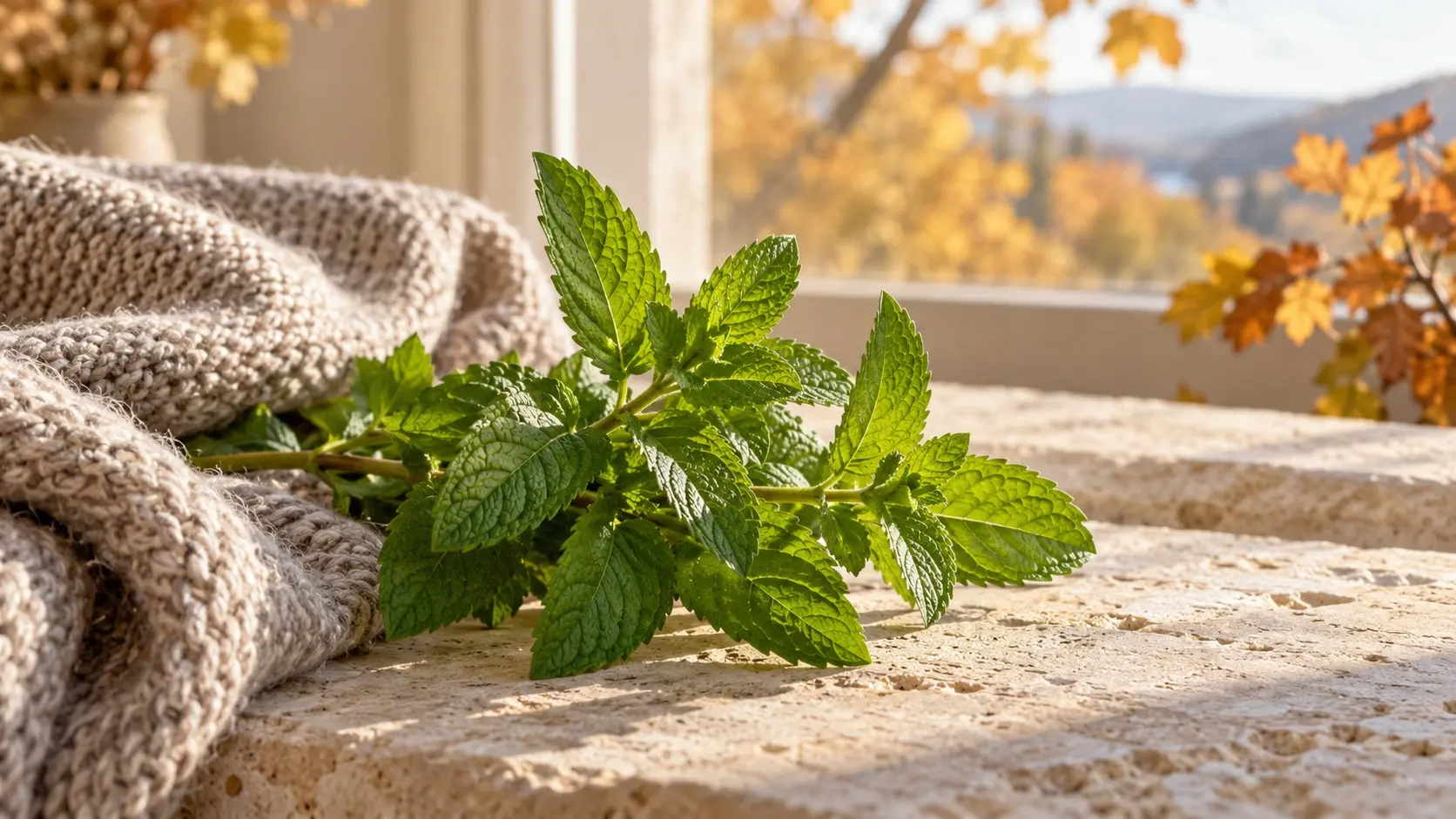
Woodsy and spiced companions can keep the blend in a warm, textured direction. That can feel especially fitting alongside autumn routines and cooler-weather surroundings. It is a seasonal preference, not a rule: you can enjoy an earthy scent in any month.
How to read a patchouli soap description
Before choosing a bar, look for a few practical details. A clear listing should help you picture the scent without requiring you to become a perfumer.
- Overall character: Is the maker describing an earthy, citrus-led, floral, sweet, or smoky blend?
- Supporting notes: What sits beside patchouli, and does the description explain the balance?
- Ingredient information: Does the list identify essential oils, fragrance, or both?
- Intended use: Follow the finished product’s directions rather than borrowing instructions from another bar.
- Your own preferences: Do you usually enjoy earthy aromas, or are you hoping this one will smell entirely different?
Do not read the order of notes in a product name as a formula or a guaranteed ranking of strength. “Citrus patchouli” and “patchouli citrus” are marketing descriptions, not standardized measurements. If the listing leaves the balance unclear, ask the maker.
For a broader comparison, our guide to choosing handmade soap by scent family puts earthy notes alongside citrus, floral, herbal, and sweet profiles.
Will patchouli soap smell like patchouli perfume?
Not necessarily. A rinse-off bar and a leave-on fragrance are different finished products. Do not use a perfume’s strength or staying power as a forecast for a soap. Likewise, a strong aroma from a dry bar does not tell you exactly what you will notice while washing or afterward.
The most useful question is whether you enjoy the washing experience itself. A soap does not need to perfume the room or linger for hours to become a favorite. If you can smell a finished sample before buying, that offers a better reference than a photograph or an ingredient name alone.
A simple way to explore earthy scents
Start with one finished bar rather than building an entire routine around an unfamiliar note. Keep the rest of your routine familiar so you can notice what you actually like about the new scent. You might discover that you prefer patchouli as a quiet supporting note rather than the main feature.
When browsing Plumera’s handmade bar soap collection, use the current product descriptions to compare scent directions and ingredients. This general guide does not mean that every earthy or woodsy Plumera bar contains patchouli.
The best choice is not the most fashionable note or the most elaborate blend. It is the bar you look forward to reaching for. Learn the scent language, check the details, and let your own preferences do the rest. Beauty Through Simplicity can be as straightforward as knowing what you enjoy.