What Does Castor Oil Do in Natural Lip Balm?
-
Posted by
Allison Savino
A good natural lip balm has a deceptively simple job: glide on smoothly, feel comfortable, and leave lips with a soft, polished finish. Yet every ingredient helps shape that experience. Castor oil is one of the quiet multitaskers behind the texture of many handmade lip formulas.
If you have ever wondered why a balm feels silky rather than stiff—or why it leaves a subtle sheen without turning into a full gloss—castor oil may be part of the answer. Here is what castor oil does in natural lip balm, how it works alongside waxes and butters, and what to notice the next time you choose a tube for your pocket.
What Is Castor Oil?
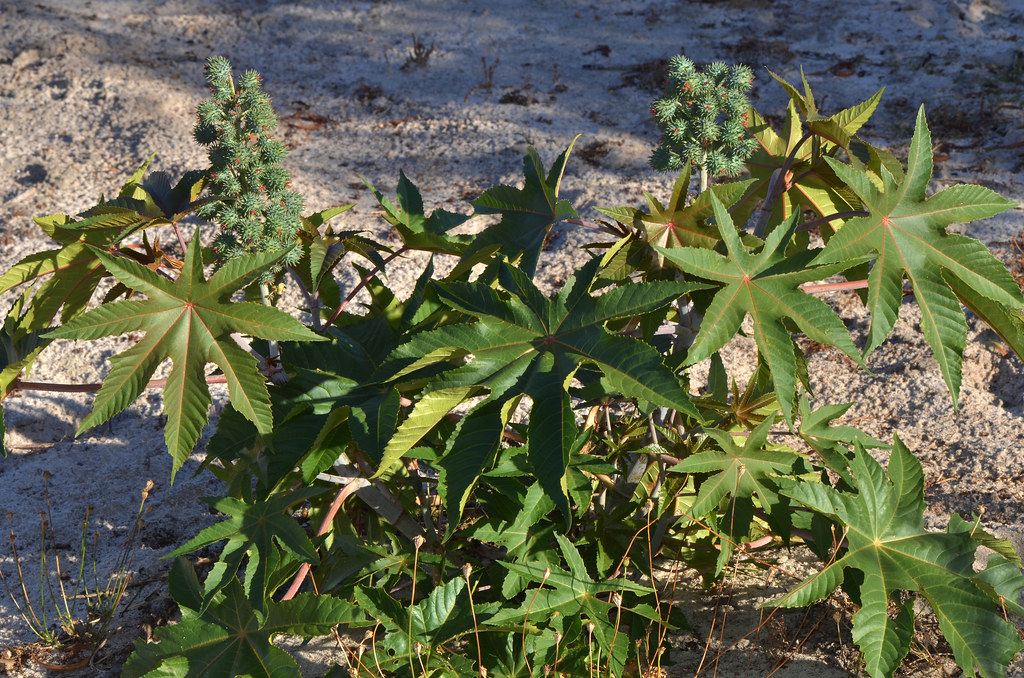
Castor oil is a plant-derived oil pressed from the seeds of the castor plant, Ricinus communis. In cosmetic formulas, it is valued for a texture that feels richer and more substantial than many lightweight botanical oils. It has a naturally glossy appearance and a smooth, slightly cushiony feel.
That combination makes it particularly useful in lip products. A formulator can use castor oil to help a balm move evenly across the lips while giving the finished layer a softly polished look. It is not there for drama or a complicated ritual; it is there to make the everyday swipe feel good.
What Does Castor Oil Do in Natural Lip Balm?
It Helps the Balm Glide Smoothly
A tube balm needs enough firmness to hold its shape, but it should not tug during application. Castor oil adds slip, helping the formula spread in an even layer. This can make the balm feel comfortable whether you apply one quick pass or build a slightly richer finish.
Glide matters because lip balm is often applied without a mirror—in a car park, between meetings, at a market, or halfway through a conversation. A smooth formula makes that tiny routine easier and neater.
It Adds a Soft, Glossy Finish
Castor oil naturally reflects light well, which can give lip balm a gentle sheen. The result is usually more understated than a liquid lip gloss: polished rather than glassy, and easy to wear alone or under a favorite lip color.
This subtle finish is one reason castor oil feels so at home in a simple balm. It makes lips look cared for without asking the product to become makeup. One ingredient, one useful sensory detail, no bathroom-counter production number required.
It Creates a Rich, Cushioning Feel
Compared with thinner oils, castor oil has a more substantial texture. In a balanced balm formula, that richness can help the finished layer feel cushiony and comfortable instead of disappearing immediately. The precise feel depends on the full recipe, but castor oil often contributes to the satisfying “there it is” quality of a well-made balm.
It Helps Bring the Formula Together
Lip balm is a careful balance of waxes, butters, and oils. Waxes provide structure, butters add creaminess, and liquid oils influence glide and finish. Castor oil works within that team, helping soften the feel of the waxier ingredients while keeping the formula rich enough for lips.
For a closer look at the structural side of the recipe, read our guide to what beeswax does in natural lip balm. Castor oil and beeswax have very different textures, but together they show why a short ingredient list can still be thoughtfully designed.
How Castor Oil Works with Butters and Waxes
No single ingredient determines the entire balm experience. A wax-heavy formula may feel firmer and more matte, while a formula with a greater proportion of oils may feel softer and shinier. Butters such as mango seed butter can add creamy body between those two ends of the spectrum.
Castor oil brings fluidity and sheen to that blend. Imagine a small texture committee: wax keeps order, butter makes everything more comfortable, and castor oil insists the meeting should move smoothly. The final result depends on the balance, not on one ingredient trying to run the entire show.
What Should Castor Oil Lip Balm Feel Like?
A well-balanced castor oil lip balm should apply evenly and leave a smooth layer without feeling overly runny. Depending on the full formula, you may notice:
- Easy glide: the balm moves across the lips without dragging.
- A soft sheen: light catches the finish without looking like a heavy gloss.
- A richer texture: the layer feels present and comfortably cushioned.
- A tidy application: the formula stays practical for a tube, pocket, or handbag.
Plumera’s Wintergreen Natural Lip Balm pairs castor oil with beeswax, mango seed butter, coconut oil, and wintergreen essential oil. The result is a cool, fresh-feeling pocket staple built around a concise ingredient profile.
How to Fit Natural Lip Balm into Your Day
The best lip balm routine is not elaborate. Apply a smooth layer whenever you want lips to feel softer and more comfortable: after your morning coffee, before heading outdoors, at your desk, or as the final step before bed. Keep the tube somewhere easy to reach, and store it away from prolonged heat or direct sunlight so its texture stays consistent.
If you enjoy comparing scent profiles, Plumera’s natural lip balm collection makes it easy to choose a fresh, minty, or simply practical favorite. A tube also slips neatly into teacher gifts, travel pouches, desk-drawer kits, and small care packages.
Simple Ingredients, Thoughtful Texture
Castor oil may not be the loudest name on a lip balm label, but it has a clear cosmetic role. It supports smooth glide, contributes a gentle sheen, and adds a rich, cushioning quality that helps a simple balm feel beautifully finished.
That is Beauty Through Simplicity in miniature: plant-forward ingredients chosen for a purpose, a routine that fits into real life, and one less reason to overthink the contents of your handbag. Browse Plumera’s natural lip balms, choose the scent that suits your day, and let the formula do its quiet work.