How to Declutter a Bathroom Shelf for Fall: 7 Simple Steps
-
Posted by
Allison Savino
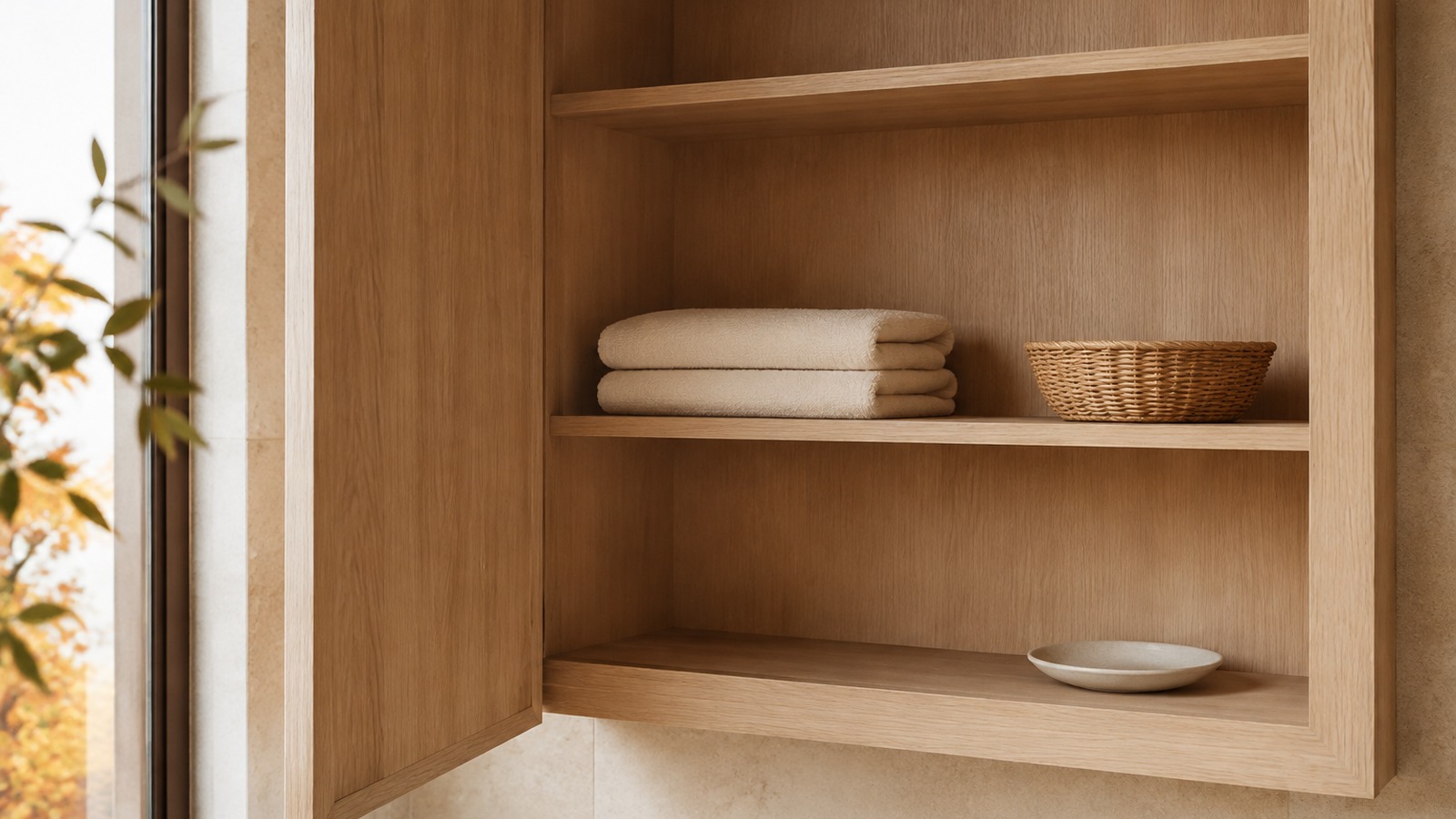
A bathroom shelf can become a small archive of good intentions: the bottle you meant to finish, the spare bar you forgot you owned, and the basket that now requires a search party. September is a useful moment to simplify it. Before busy fall mornings settle in, give everyday care a little breathing room.
To declutter a bathroom shelf, take everything out, sort by what you actually use, check the original labels, and return only your current essentials. Keep unopened extras separately and leave enough space to lift one item without moving three others. You do not need matching containers or an entirely new routine.
1. Start with one shelf, not the whole bathroom
Choose the shelf that holds your daily skincare or shower supplies. Leave the linen closet, makeup drawer, and travel collection for another day. A small, finished reset is more useful than a room full of half-sorted piles.
Set a clean towel on a nearby surface and move the shelf contents onto it. Wipe the empty shelf according to its material and let it dry before putting anything back. This is also a chance to notice where water collects or where a tall bottle makes the shelf above difficult to reach.
2. Sort everyday care into three practical groups
Skip the elaborate organizing system. Three groups are enough to show you what belongs within easy reach.
- Using now: the products you reach for during your current routine.
- Unopened backups: extras you already own and intend to use later.
- Needs a decision: empty containers, unfamiliar bottles, and products you no longer enjoy.
Be honest about the third group. Something does not earn permanent shelf space simply because the packaging is beautiful. If you are unsure about a product’s age, condition, or directions, check its label and ask the maker rather than guessing.
Keep original packaging and ingredient information with the items you retain. Decanting everything into identical jars may look tidy, but it can separate a formula from the details you need to use and identify it.
3. Build a small everyday-care zone
Return the products you are actively using first. Arrange them in the order that makes sense for your day: washing, your preferred after-shower care, and a lip balm where you will remember it. This is a placement decision, not a reason to add steps.
Give each item enough room to be picked up and returned with one hand. If your shelf is shallow, a single row usually works better than a deep cluster. Leave the tallest items where they will not obscure smaller ones.
Handmade soap deserves its own practical spot near where it is used, rather than a decorative corner where it stays wet. Choose a draining holder for an in-use bar. If that part of your setup needs attention, our guide to cleaning a soap dish walks through a straightforward refresh.
4. Separate backups from products in use
A spare bar is useful. Five half-hidden spares that inspire another unnecessary purchase are less helpful. Put unopened extras together in a designated area that follows their storage directions, away from shower spray and excess heat.
A small basket can make the boundary clear, but do not pack it so tightly that labels disappear. Store each product in its original packaging and check for any date or storage guidance. When you start a backup, move it into the everyday zone rather than leaving two competing locations.
Make a short use-next note
Write down the next unopened item you plan to use and place the note where you keep your shopping list. The aim is visibility, not a strict system that overrides a product’s directions or condition. Check that note before buying another similar item.
5. Let fall change the atmosphere, not your entire collection
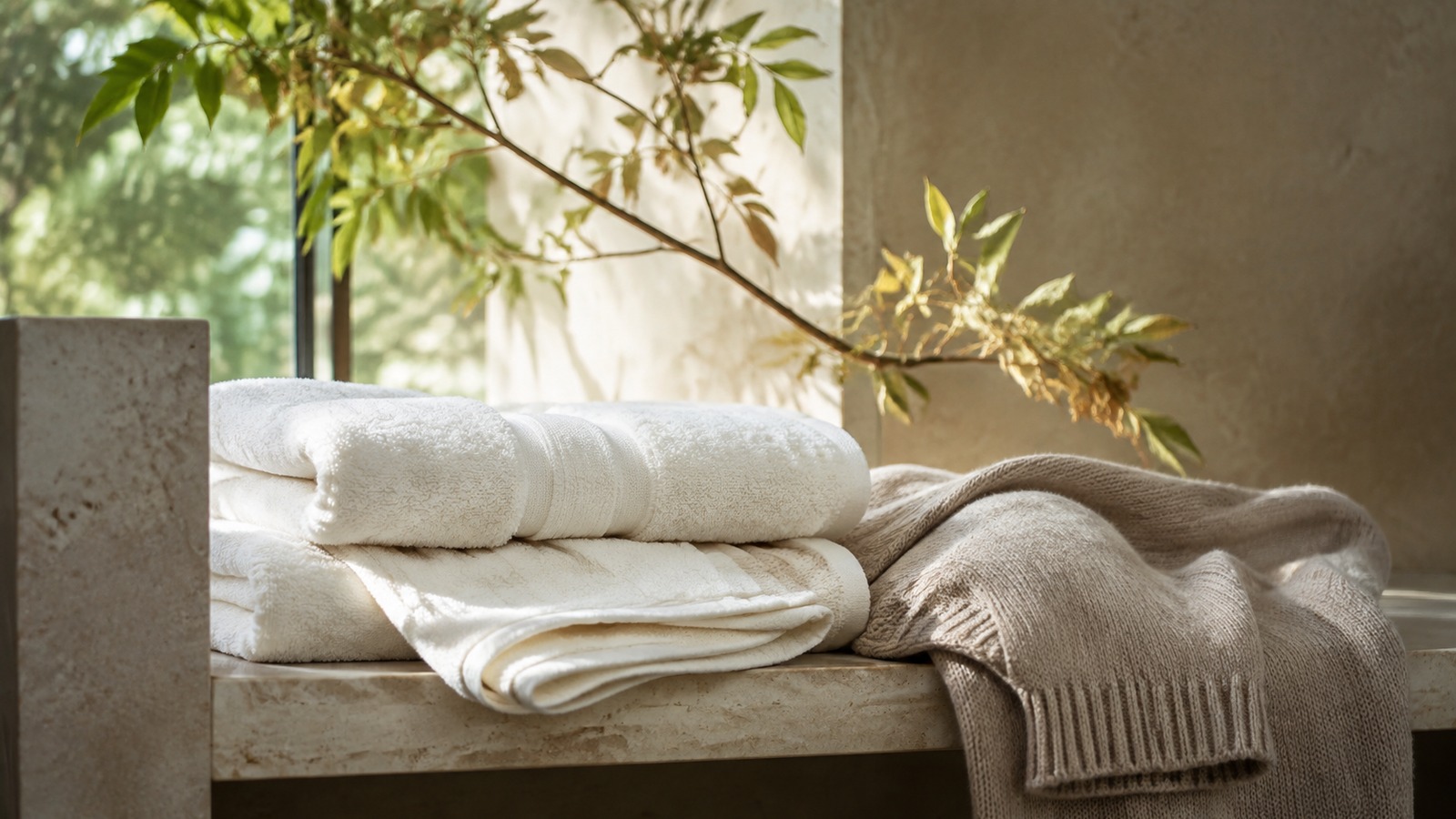
Early fall can make warmer textures and quieter colors appealing, but seasonal organizing does not require replacing products that still suit you. A freshly folded hand towel or a less crowded shelf may create the reset you wanted.
If you are ready for your next bar, browse Plumera’s handmade bar soap collection and choose by the current ingredient list, scent description, and intended use. Choose one you will enjoy reaching for rather than building a shelf around an imagined routine.
The same principle applies to body care. Keep a texture you already like within reach, and give yourself permission to leave the rest of the shelf empty. Open space is useful; it does not need a shopping list.
6. Give empty packaging a clear exit
Separate empty containers from products you still use. Follow the packaging’s disposal guidance and your local recycling rules; materials accepted in one area may not be accepted in another. Avoid assuming every pump, cap, or mixed-material container belongs in the same bin.
Only keep containers for reuse when you have a specific, appropriate purpose. A jar for spare hair ties is a plan. A growing collection of containers for “something eventually” is another shelf waiting to happen.
7. Keep the reset easy to maintain
Once a week, return wandering items to their places, check your backup area before restocking, and wipe up visible spills. When a new product arrives, decide where it belongs before leaving it on the counter.
Try a simple rule: finish the current product before opening a similar backup, whenever that suits the product directions and your needs. This keeps your routine easier to follow without making everyday care feel restrictive.
A clearer shelf, a simpler morning
Decluttering a bathroom shelf is not about owning the fewest possible things. It is about finding what you need, enjoying what you have, and making room for ordinary mornings to run more smoothly.
Start with one shelf today. Keep the essentials, make backups visible, and let the empty space stay empty. When it is time to replenish, choose thoughtfully with Plumera Essentials. Beauty Through Simplicity belongs in the way you organize your routine, too.