Cocoa Powder in Handmade Soap: A Simple Color and Scent Guide
-
Posted by
Allison Savino
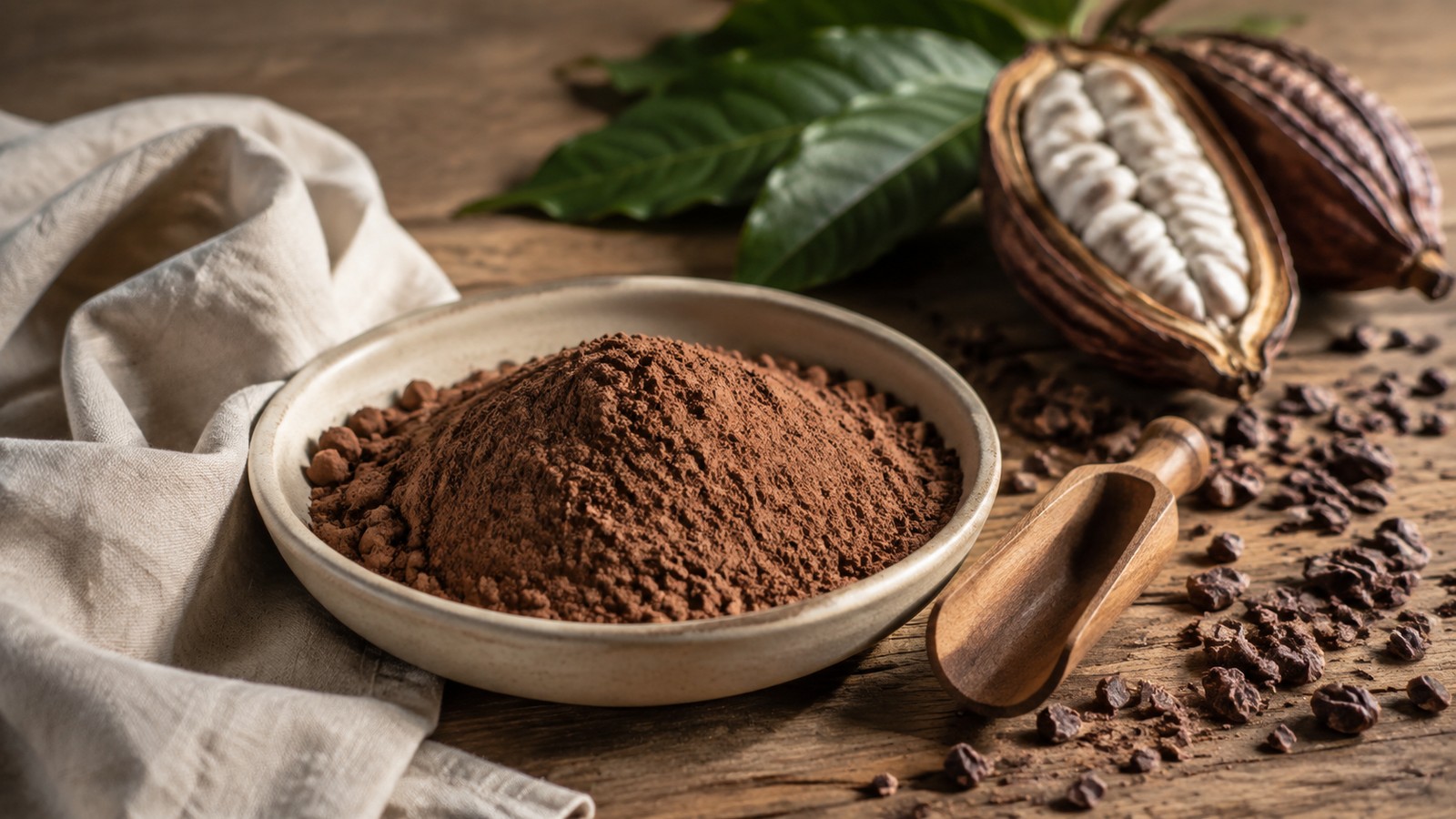
Cocoa powder can make a handmade soap bar look rich, earthy, and almost dessert-like. Its warm brown color feels especially at home in fall and winter collections, but the ingredient is useful year-round whenever a maker wants a naturally inspired neutral palette.
The familiar name can also create a few assumptions. A cocoa-colored bar does not necessarily smell like chocolate, and cocoa powder is not the same ingredient as cocoa butter. Understanding those differences makes it easier to read a product description, compare bars online, and know what the finished soap is designed to offer.
Why Do Soapmakers Use Cocoa Powder?
In handmade soap, cocoa powder is often chosen for color and visual character. Depending on the amount used and the rest of the formula, it can create shades ranging from soft beige to milk-chocolate brown or a deeper espresso tone. It may also leave fine speckles that give the cut face of the bar a rustic, small-batch appearance.
Makers can use cocoa powder across an entire batch or blend it into one portion of soap for swirls, layers, or contrasting details. That flexibility makes it a practical design ingredient for bakery-inspired bars, coffee pairings, woodsy scent stories, and understated neutral designs.
The final shade is not determined by cocoa powder alone. The base oils, fragrance materials, other colorants, batch temperature, and resting time can all influence how a bar looks. Handmade soap has a recipe, but it also has a little personality.
Does Cocoa Powder Make Soap Smell Like Chocolate?
Not reliably. Cocoa powder has an aroma in the package, but soapmaking is a demanding environment for scent. A finished bar may retain little of that original aroma, especially when the powder is used mainly for color.
If a soap is described as chocolate-scented, that scent usually comes from the formula’s stated fragrance or aromatic blend rather than from cocoa powder by itself. Plumera’s guide to how handmade soap gets its scent explains why color, ingredient story, and fragrance should be read as separate parts of the product.
This distinction matters when shopping online. A dark brown bar could smell like cocoa, coffee, vanilla, cedar, spice, citrus, or something entirely different. Let the scent description answer the fragrance question; let the ingredient list and photos explain the visual story.
Cocoa Powder and Cocoa Butter Are Different Ingredients
Cocoa powder and cocoa butter begin with the cacao bean, but they are not interchangeable. Cocoa powder is the dry, brown material left after much of the fat has been separated from processed cacao. Cocoa butter is the pale, solid fat obtained from cacao beans.
In a soap or skincare formula, cocoa butter functions as a butter or fat. Cocoa powder is more often used in a smaller amount for color, pattern, or ingredient character. A label may include one, the other, or both, so it is worth reading the complete list rather than assuming every cocoa-themed item contains the same materials.
For a closer look at the butter itself, read Plumera’s guide to cocoa butter in clean beauty. It helps separate the role of a pale botanical butter from the visual role of deep brown cocoa powder.
How Cocoa Powder Can Be Added to a Soap Design
Blended through the full batch
When cocoa powder is mixed throughout the soap, the result can be an even tan or brown base with subtle variation. Finely sifted powder and careful mixing help reduce large dry pockets, although small speckles may remain part of the handmade look.
Used in a swirl or layer
A maker can divide the batch and add cocoa powder to only one portion. The colored portion may then be swirled through a lighter base, poured as a layer, or used as an accent. Each cut bar reveals a slightly different pattern, which is one reason handmade designs rarely look machine-identical.
Dusted on top or between layers
A very light dusting can add visual contrast, but loose powder may transfer during handling or rinse away during early uses. A thick dry layer can also separate sections of a bar, so thoughtful makers use this technique with restraint. The goal is a deliberate detail, not a cocoa cloud across the bathroom counter.
What Color Should You Expect?
Cocoa powder does not create one universal brown. A small amount may produce a warm tan. More can deepen the color, while a pale soap base may make speckles easier to see. Other ingredients can shift the result toward red-brown, gray-brown, caramel, or nearly black.
Color can also evolve as the bar rests. Fragrance materials and botanical additions sometimes deepen over time, so the newest production photo may not match every bar with absolute precision. That does not automatically indicate a problem; modest variation belongs to small-batch work.
When color matters to your choice, look at several product images and read the written description. Photos taken in warm indoor light can make brown tones appear richer, while daylight may reveal cooler or lighter notes.
How to Read a Cocoa Soap Product Page
A clear listing should help answer a handful of practical questions:
- Is cocoa powder listed as an ingredient? A chocolate-colored design could also come from clay, charcoal, spice, fragrance discoloration, or another colorant.
- What creates the scent? Look for a plain description of the fragrance direction rather than assuming the color tells you.
- Is the finish smooth or speckled? Close-up photos can show whether the powder is finely dispersed or intentionally visible.
- Does the bar include cocoa butter too? Remember that the powder and butter have different roles.
- Is natural variation noted? Swirls, layers, and botanical colors can differ slightly across a handmade batch.
These questions are useful for any ingredient-led soap. They keep the focus on what the maker actually discloses instead of letting a delicious-sounding name write the whole story.
Simple Care for a Cocoa-Colored Handmade Bar
Care for a cocoa-colored bar the same way you would care for other handmade soap: let water drain away after use, keep it out of a constant shower stream, and give the surface airflow between washes. A well-draining soap dish helps the bar dry more evenly.
Dark lather or a little color in the first rinse can occur with deeply colored bars. Rinse the sink, tub, soap dish, or washcloth as needed and follow the maker’s use directions. If you prefer fewer visible colorants in your routine, choose a lighter bar with a simple finish.
A Familiar Ingredient with an Earthy Design Story
Cocoa powder gives soapmakers a warm, recognizable ingredient to work with, but its main role is often visual. It can create soft neutrals, deep browns, delicate speckles, and dramatic swirls without promising that the finished bar will smell like a chocolate shop.
Once you separate color from scent—and cocoa powder from cocoa butter—the label becomes much easier to understand. Explore Plumera’s handmade bar soap collection to compare scent directions, colors, and small-batch details, then choose the bar that fits your everyday routine.