What Is Camellia Seed Oil in Skincare? A Simple Guide
- Posted by
Allison Savino
Camellia seed oil is one of those skincare ingredients whose name sounds familiar before its role is quite clear. Is it made from flowers? Is it the same thing as tea tree oil? And does a botanical name on the front of a bottle tell you how the whole formula will feel?
The useful answer starts with the seed, not the bloom. Camellia seed oil is a plant-derived oil used in cosmetic formulas for a soft, conditioned skin feel. Understanding the exact ingredient name—and the product surrounding it—makes shopping simpler. Here is a straightforward guide to this botanical ingredient, without turning a beautiful flower into an oversized promise.
What is camellia seed oil?
Camellia seed oil comes from the seeds of plants in the Camellia genus. In skincare, the name can refer to oils from different species, including Camellia japonica and Camellia oleifera. They share a botanical family, but the names are not interchangeable when you are reading an ingredient list.
The flower helps you recognize the plant; it is not the part identified by “seed oil.” That distinction matters because a flower extract, a leaf extract, and a seed oil are different ingredients, even when their plant names overlap. A botanical photograph on a label can be lovely, but the ingredient panel does the explaining.
Names you may see on a label
- Camellia Japonica Seed Oil: identifies the seed oil from this particular camellia species; the name tsubaki is often associated with it.
- Camellia Oleifera Seed Oil: identifies another camellia seed oil, also commonly called tea seed oil.
- Camellia Sinensis Leaf Extract: identifies a tea-leaf extract, not the same ingredient as either seed oil above.
You do not need to memorize botanical Latin. Simply notice the species name and the final words: “seed oil” tells a different story from “leaf extract.”
What does camellia oil do in skincare?
Its most useful cosmetic role is as an emollient: an ingredient that helps skin feel softer and more conditioned. In a face or body oil, it can contribute to the glide of the blend as you spread it. In a cream or lotion, it becomes one part of a larger formula that also includes other ingredients.
Think of an emollient as a contributor to texture, not a complete description of the product. The amount used, the other oils, and the overall formulation all influence the finish. Two products featuring camellia can feel noticeably different, even if their front labels highlight the same botanical.
That is also why “lightweight” is best understood as a description to evaluate, rather than a universal guarantee. Your preferred amount and the finish you enjoy matter. A rich-feeling blend may suit one person’s evening routine while another person prefers something less noticeable before getting dressed.
Camellia seed oil is not tea tree oil
The similar names can make this confusing. Tea seed oil and tea tree oil are different ingredients from different plants. A product described as containing camellia or tea seed oil should not be assumed to smell or behave like a tea tree essential-oil product.
Likewise, the word “tea” does not mean an oil is brewed tea, and a camellia flower on the packaging does not establish a floral fragrance. Check the actual scent description and complete ingredient list. Seed oil, added fragrance, and aromatic ingredients each have their own place in the formula.
If scent is a deciding factor, look for clear product information rather than making a guess from botanical artwork. An appealing plant name is not a scent sample.
How to evaluate a camellia skincare product
Start with the format
Ask whether you want an oil, a balm, a lotion, or a wash-off product. These formats are not interchangeable simply because they share an ingredient. Choose the kind of product that fits the step you already use, then compare its directions and finish.
Read beyond the highlighted botanical
Notice the full ingredient list, the intended application area, and any fragrance information. A featured ingredient does not describe every component. If you enjoy learning how botanical blends are put together, Plumera’s ingredient information is a useful starting point for exploring our own approach.
Keep the comparison practical
Instead of asking which oil is universally best, ask which finished product fits your preferences. Do you enjoy a silky finish or a richer feel? Is the package easy to use in your usual space? Are the instructions clear? Those questions often tell you more than a long list of impressive-sounding ingredient descriptions.
Where it fits in a simple fall routine
Cooler-weather shopping can make a bathroom shelf expand surprisingly quickly. An ingredient guide should help you choose, not persuade you that every botanical needs its own bottle. If your current routine feels comfortable and easy to maintain, learning about camellia does not require adding another step.
When you do want to explore a different texture, compare one finished product at a time and follow its directions. Our skincare empties review guide offers a simple way to note what you actually enjoyed before buying again. Your own observations are more useful than building a collection around ingredient trends.
A botanical to understand, not a promise to chase
Camellia seed oil is worth knowing as a plant-derived emollient, with its exact identity shown by the botanical ingredient name. It is not flower perfume, tea tree oil, or a complete skincare routine on its own.
This article is general ingredient education, not an announcement of a camellia-based Plumera product. To explore our current options, browse Plumera’s face and body oils and check each product’s own ingredient list and directions. Choose the blend that suits your everyday routine—not simply the ingredient with the prettiest flower. Beauty Through Simplicity starts with knowing what you are choosing.
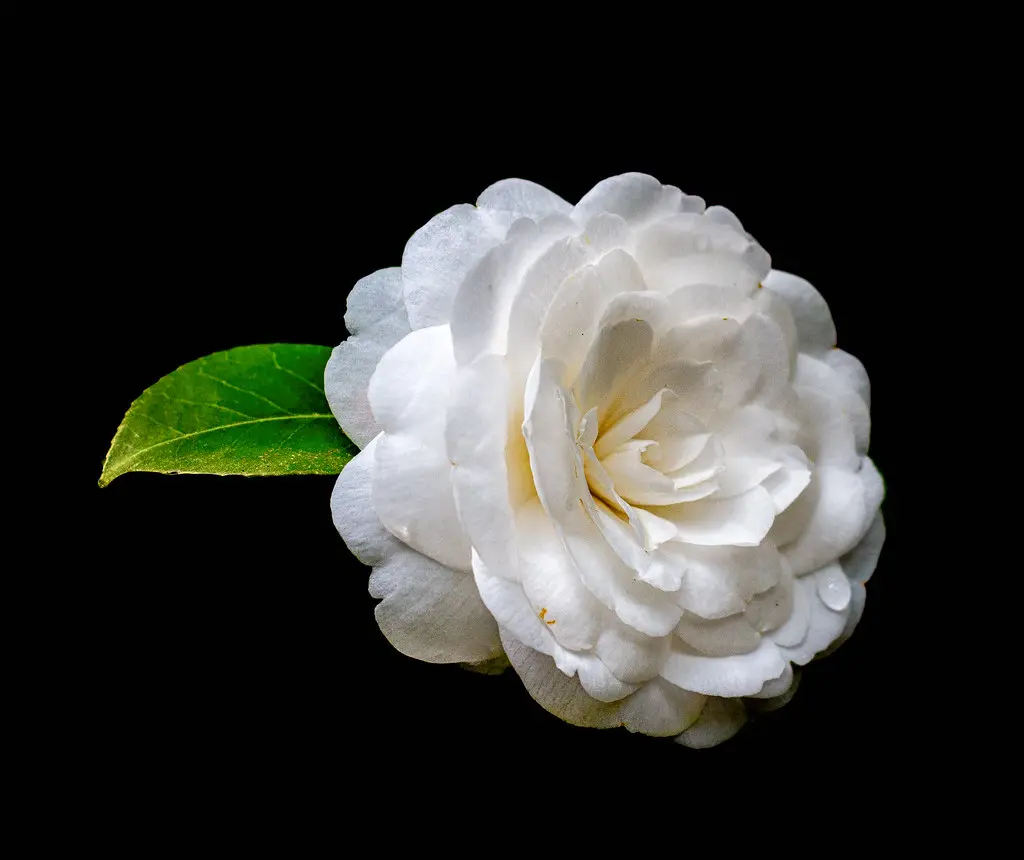
Photo: Ray in Manila, CC BY 2.0. Camellia japonica ‘Alba Plena’; photograph illustrates the plant, not the seed oil.