Why Handmade Soap Bars Look Different: Natural Variation Explained
-
Posted by
Allison Savino
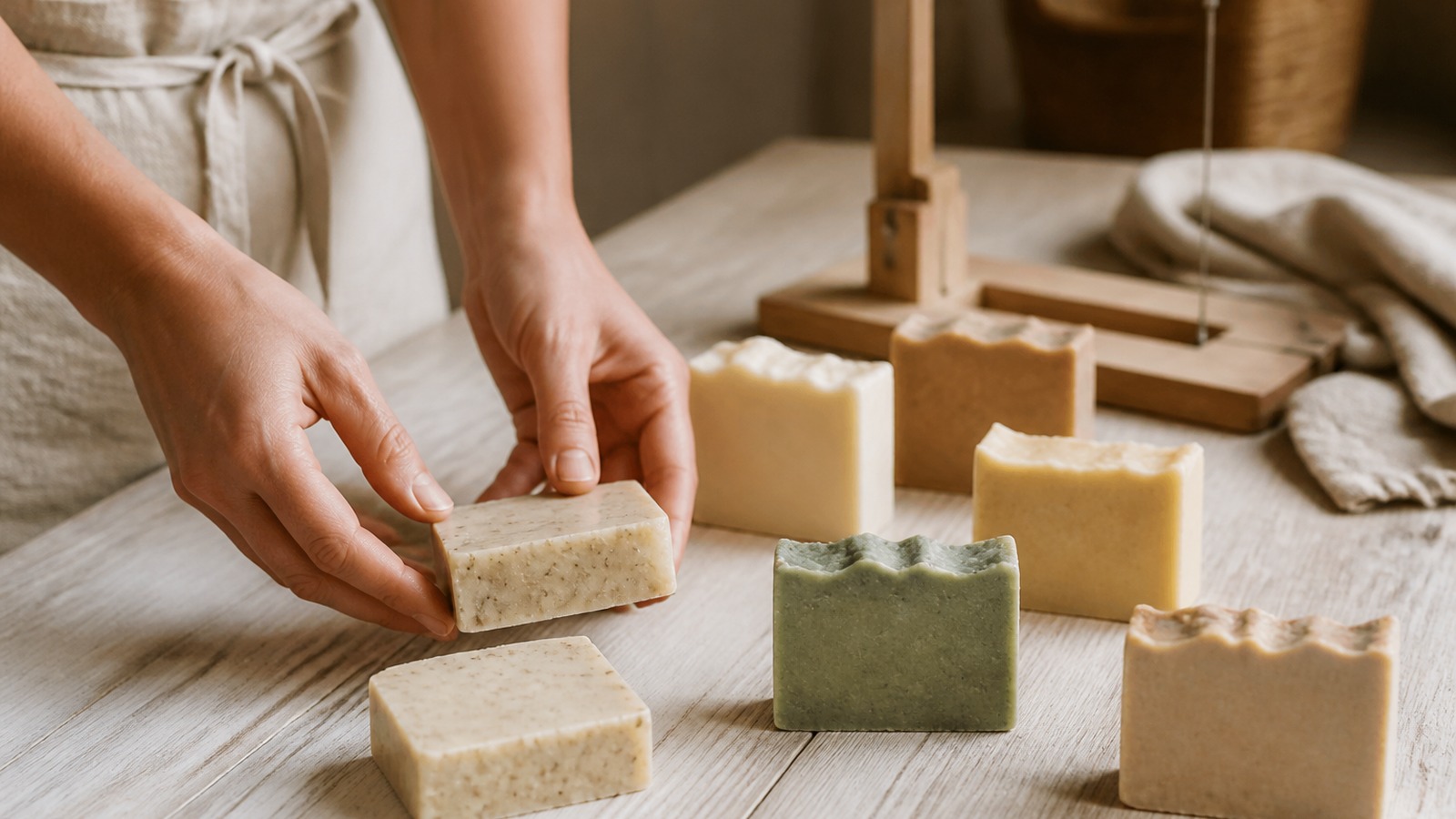
Two handmade soap bars can come from the same batch and still look like close cousins rather than identical twins. One may have a slightly higher swirl, a warmer shade, or a more rustic edge. That is not a flaw. It is part of what makes small-batch soap visibly handmade.
Unlike factory-made bars designed for exact visual uniformity, artisan soap reflects its ingredients, mixing process, temperature, cutting, and time at rest. Understanding those natural differences makes it easier to shop with confidence—and to appreciate the character in every bar.
Why handmade soap bars are not perfectly identical
Small-batch soap is poured as a loaf or slab and later divided into individual bars. Even when a maker follows the same formula and process carefully, the finished pieces can show subtle visual differences. The top of the loaf may develop a different texture from the center. A swirl may travel more strongly through one section. A hand-cut edge may be a fraction thicker or softer than the next.
These variations are expected in handcrafted work. They show that a real person mixed, poured, finished, and cut the batch rather than sending it through a highly standardized production line.
What can make the color vary?
Botanical ingredients and natural powders
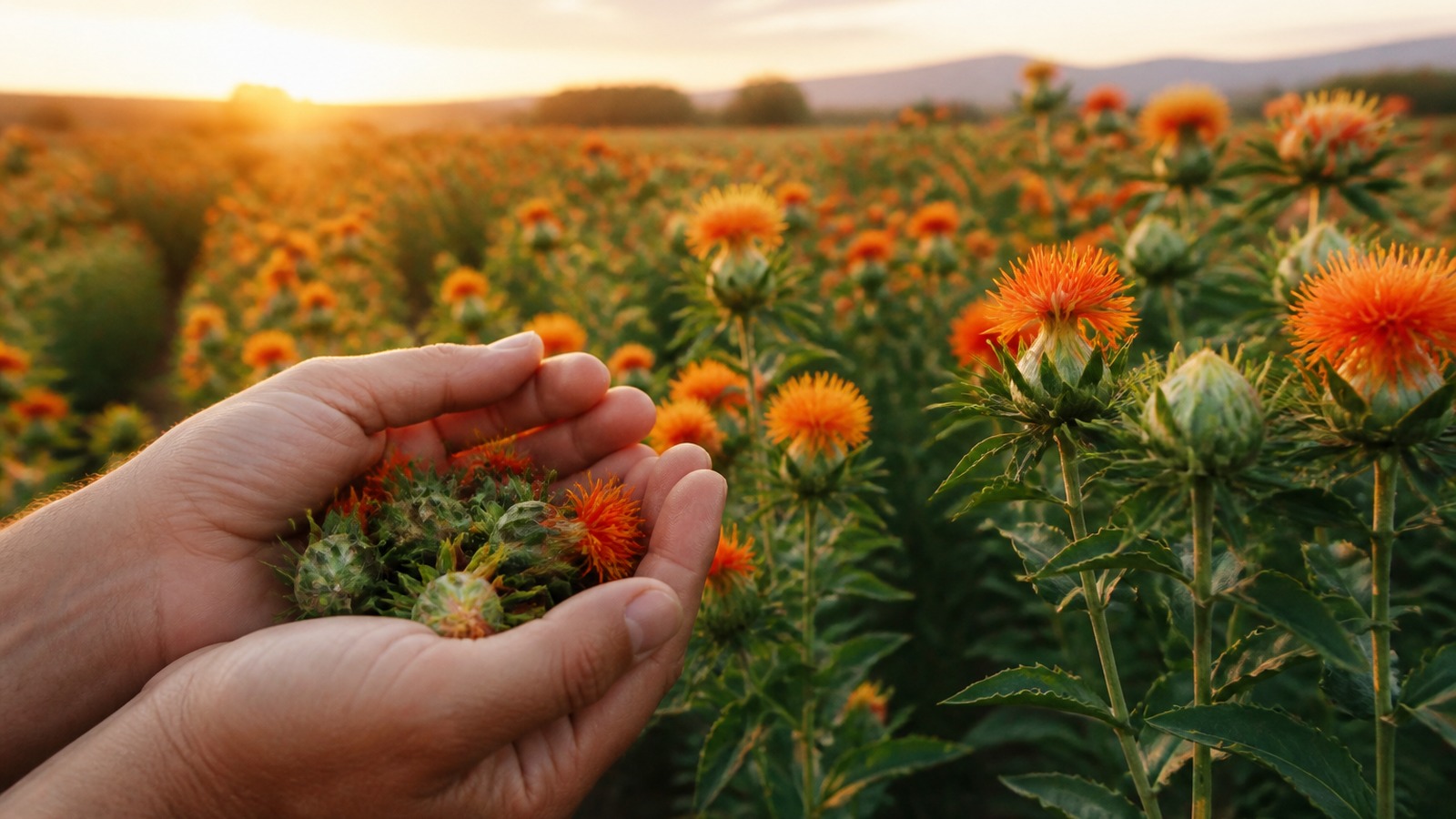
Clays, herbs, plant powders, and other botanical additions bring their own tones to a soap recipe. Because they come from nature, their color can shift slightly from one harvest or supplier lot to another. A muted green may lean a little more olive, while a warm tan may deepen as the bar rests.
Fragrance and essential oil blends
Scent ingredients can also influence the finished appearance. Some blends keep a batter pale, while others contribute warmer cream, honey, or brown notes over time. This does not mean the scent experience has changed dramatically; it is simply part of how the ingredients behave together.
Temperature during the making process
Temperature affects how soap batter moves, sets, and develops color. A warmer batch may produce deeper tones or a more translucent-looking section, while a cooler batch can appear more matte. Makers watch these details closely, but handmade processes still leave room for gentle variation.
Why the shape and edges may differ
Handmade soap often begins as one larger loaf. Once it has firmed enough, the maker uses a cutter to divide it into bars. A careful cut produces consistent, practical pieces, but it does not create the rigid sameness of a machine-molded bar.
One bar may be a touch taller. Another may have a slightly rounded corner or a more pronounced textured top. If you are curious about the process, our guide to how handmade soap is cut from loaf to individual bars offers a closer look.
Swirls, speckles, and textured tops
Decorative details make natural variation especially visible. Swirls move through batter in fluid, unpredictable paths, so no two cross-sections look exactly alike. Botanical flecks can gather more densely in one area. Textured tops may form peaks, waves, or ridges that change from bar to bar.
That visual individuality is one of the pleasures of artisan soap. It is a little like handmade pottery: the overall design is recognizable, while each piece carries its own small signature.
Does a different look mean a different bar?
Usually, subtle differences in shade, shape, or surface texture are simply cosmetic. The bar still belongs to the same recipe and scent family described on its product page. Handmade items should look consistent enough to be recognizable, but not so mechanically perfect that every swirl and edge is copied.
Of course, appearance can also change as a bar is used. Water softens the surface, while good drainage helps it dry between showers or sink-side washes. Keeping a bar out of standing water is a simple way to support a tidy, longer-lasting routine.
How to choose a handmade soap online
Start with the details that matter most to your routine: scent profile, ingredients, bar size, and how you plan to use it. Product photography offers a helpful reference, but your exact bar may have a slightly different swirl or top texture.
Browse Plumera’s collection of handcrafted bar soaps to compare fresh, woodsy, floral, sweet, and unscented options. If you enjoy warm woods with a bright citrus note, Cedar Bergamot Natural Soap is an easy place to begin.
A small-batch detail worth celebrating
Natural variation is not something handmade soap needs to hide. It is evidence of a process shaped by real ingredients, careful hands, and small-batch attention. The color may shift slightly. The top may rise differently. The swirl may take an unexpected turn. That is the charm.
At Plumera Essentials, beauty through simplicity means appreciating useful everyday care without demanding factory-perfect sameness. Choose the scent and ingredients that suit your routine, give the bar a dry place between uses, and enjoy the one-of-a-kind details that arrived with it.