What Olive Oil Does in Handmade Soap: A Simple Ingredient Guide
- Posted by
Allison Savino
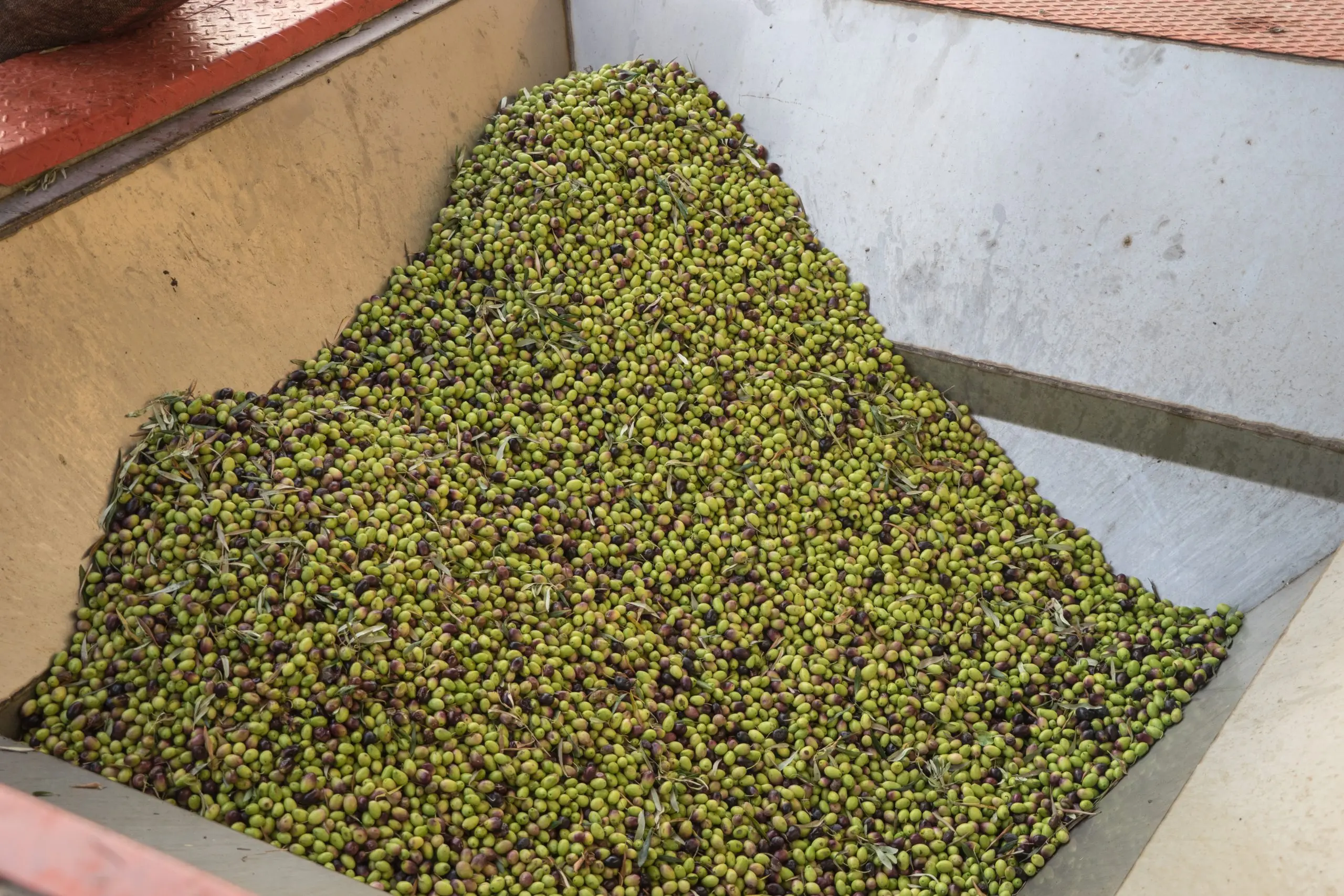
Olive oil has a quiet kind of beauty. It is not flashy, fizzy, or dramatic. It does not need a neon label to get attention. In handmade soap, olive oil is one of those classic ingredients that helps shape the feel of a bar in a subtle, steady way: smooth, comforting, and beautifully suited to simple everyday care.
If you have ever picked up a handmade soap and wondered why some bars feel creamy and mild while others feel more bubbly or brisk, the oil blend is usually part of the answer. Each oil brings its own personality to the batch. Olive oil is the calm one at the table—the ingredient that helps make a bar feel soft, balanced, and easy to love.
Why Olive Oil Is a Classic Soapmaking Ingredient
Olive oil has been used in traditional soapmaking for generations because it is rich, plant-based, and wonderfully dependable. In a handmade bar, it contributes to the overall texture, glide, and skin-feel of the finished soap. It is especially appreciated in recipes where the goal is not just big bubbles, but a more rounded, comfortable wash.
That matters because a good bar soap is not one-note. A satisfying handmade bar needs structure, lather, and a pleasant feel in the hand. Olive oil can help support that smooth, gentle-feeling side of the formula while other oils bring firmness, foam, or cleansing power. The result is a bar that feels more considered than a basic bottle from the drugstore aisle.
What Olive Oil Adds to the Feel of a Bar
In soap, olive oil is often associated with a silky, mild-feeling wash. It tends to create a softer, creamier lather profile rather than the kind of quick, airy foam you might expect from a more bubble-forward ingredient. That does not mean the bar will not lather; it means olive oil helps give the experience a smoother, more cushiony feel.
For everyday shower care, that balance is lovely. A handmade bar can still feel fresh and clean while also feeling less stripped-down and more intentional. This is where Plumera’s “Beauty Through Simplicity” philosophy fits so naturally: fewer unnecessary extras, more attention to the ingredients that shape the ritual.
How Olive Oil Works With Other Soapmaking Oils
Soapmaking is a little like building a fragrance wardrobe or planning a good meal: balance matters. Olive oil may bring a smooth, gentle-feeling quality, while other oils can help with firmness, bubbly lather, or longevity at the sink. A thoughtful bar usually relies on a blend rather than asking one ingredient to do every job.
That is why ingredient education can be so useful when you are shopping for handmade body care. If you enjoy learning what different oils bring to a bar, Plumera’s guide to what coconut oil does in handmade soap is a helpful companion read, especially because coconut oil is often used for a very different kind of lather personality.
Why Handmade Soap Feels Different From Mass-Market Soap
One reason handmade soap feels special is that it is made with intention. The maker is not simply chasing the lowest-cost formula or the loudest scent. Small-batch soapmaking allows more attention to texture, scent balance, appearance, and the way the bar fits into real daily routines.
Plumera Essentials makes bar soaps in small batches using an old-fashioned method, which gives each bar its own character. If you are curious about that approach, the Plumera article on what small-batch skincare really means explains why smaller batches can feel more personal, more flexible, and more connected to the maker behind the brand.
How to Choose an Olive-Oil-Friendly Handmade Soap
You do not need to become a chemist to choose a good bar. Start with the basics: does the scent sound like something you will actually enjoy? Does the bar fit the season, the bathroom, or the person you are gifting it to? Does the maker explain the product clearly without turning the routine into a complicated science project?
For a simple starting point, browse Plumera’s handmade bar soaps and look for the mood you want: bright citrus, soft florals, cozy bakery-inspired bars, crisp mint, or grounded woods. The best soap is the one you will happily reach for every day, not the one that sounds impressive and then sits untouched by the sink.
Where Olive Oil Fits in a Simple Body Care Routine
A handmade bar is one of the easiest ways to make a routine feel more polished without adding extra steps. Use it at the sink, keep one in the shower, or pair a few bars with a soap dish or soap saver bag so they can dry between uses. That little bit of care helps the bar last longer and keeps the counter looking intentional.
Olive oil’s role in the formula is not about making a dramatic promise. It is about texture, tradition, and everyday usefulness. It helps support the kind of bar that feels good in the hand, looks beautiful in the bathroom, and brings a small moment of calm to a normal Tuesday. Not every routine needs to be a production. Sometimes the right bar and a clean towel are enough.
A Simple Ingredient With Staying Power
Olive oil has earned its place in handmade soap because it is classic, versatile, and quietly luxurious. It helps create a bar that feels smooth and approachable, especially when paired with complementary oils and thoughtful scent design.
If you are building a more intentional shower routine, start with one beautiful handmade soap and let the rest stay simple. Explore Plumera’s bar soap collection, choose a scent that suits your season, and enjoy the kind of everyday care that feels clean, plant-forward, and happily unfussy.