Lavender in Clean Beauty: A Simple Guide to This Classic Botanical Scent
-
Posted by
Allison Savino
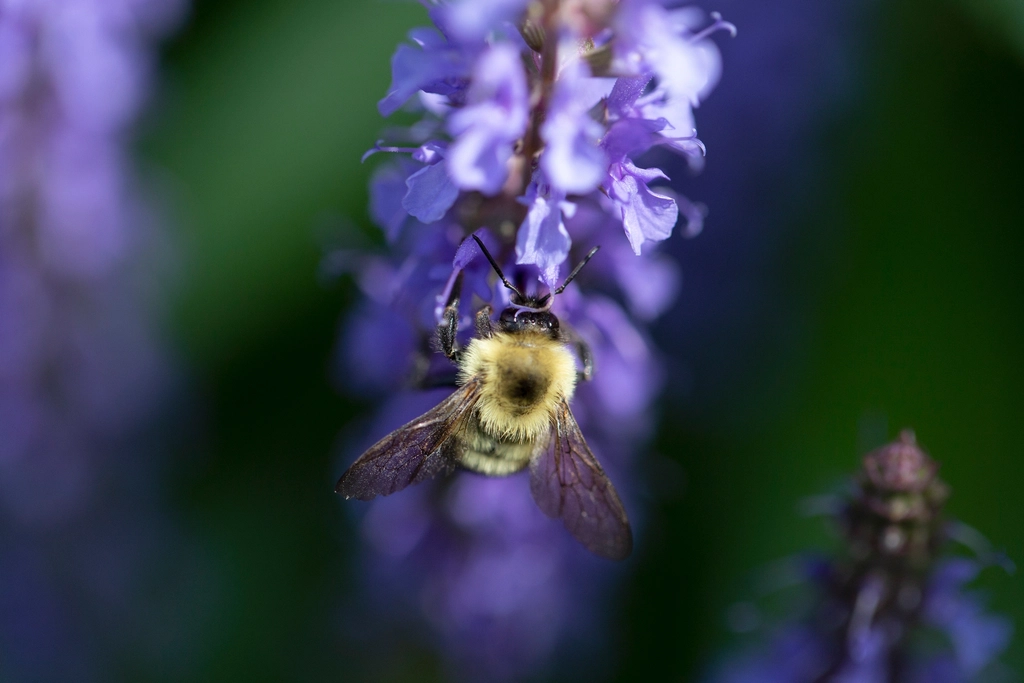
Lavender has a way of making a routine feel more intentional. It is familiar without feeling flat, botanical without being fussy, and soft enough to work in a bathroom, guest sink, travel bag, or quiet evening shower. That is why lavender keeps showing up in clean beauty conversations: not because it needs a grand speech, but because it makes everyday care feel simple and considered.
For handmade skincare shoppers, lavender is also a helpful starting point for learning how scent, botanicals, and ingredient lists work together. Whether you are choosing a bar soap, building a gift set, or comparing scent families, understanding lavender can make the whole shelf easier to read.
Why Lavender Still Feels So Modern
Lavender is one of those ingredients that never seems to disappear. Part of its appeal is balance. It can smell floral, herbal, green, powdery, or slightly sweet depending on how it is paired. In a handmade soap or body care routine, that flexibility matters. Lavender can soften a bright citrus note, bring a fresh edge to florals, or make a simple bar feel a little more elevated.
It also fits beautifully into the Plumera Essentials point of view: Beauty Through Simplicity. A clean routine does not need twenty steps or a countertop full of half-used bottles. Sometimes it is a well-made bar, a lip balm you actually use, and a scent that makes the moment feel like yours.
What Lavender Means in a Scent Profile
When you see lavender in a product description, think of it as a scent direction rather than a single exact aroma. The finished scent depends on the surrounding notes. Paired with citrus, lavender can feel brighter and more energetic. Paired with woods, it can feel grounded and quietly polished. Paired with soft florals, it can lean romantic and classic.
This is useful when shopping for handmade soap because scent names can be charming, but scent families tell you how the product might fit your routine. If you enjoy botanical, fresh, or lightly floral bars, lavender-adjacent scents are usually a good place to start. If you prefer something bolder, look for lavender paired with cedar, bergamot, mint, spice, or deeper woods.
How to Read a Botanical Ingredient List
A good ingredient list should feel clear, not mysterious. On handmade body care, you may see plant oils, butters, clays, botanicals, scent ingredients, and colorants listed together. The goal is not to memorize every term. The goal is to understand the role each type of ingredient plays.
- Base oils and butters help create the feel of the finished product.
- Botanicals may contribute scent, color, texture, or the overall plant-forward story.
- Fragrance or essential oil components shape the aroma experience.
- Simple supporting ingredients help the product look, feel, and perform consistently.
If you want a broader reference point, Plumera’s ingredient guide is a helpful place to start. It keeps the focus on what goes into the routine without turning your bathroom shelf into a chemistry exam. We adore clarity. We do not require homework.
Lavender for Giftable Handmade Soap
Lavender also earns its place in gifting because it feels widely familiar. It is not too niche, not too loud, and not tied to one season. That makes lavender-inspired or floral-botanical scents a smart choice for teacher gifts, guest bathrooms, bridesmaid bags, hostess baskets, vacation rentals, or “thinking of you” surprises.
If you are building a gift around scent, start with the recipient’s general style. Do they like crisp and fresh? Go botanical with a citrus edge. Do they like soft and pretty? Choose florals. Do they prefer something a little more grounded? Look for woods, herbs, or bergamot. Plumera’s Fragrant Soap Box is an easy way to give variety without making the gift feel overbuilt.
Pairing Lavender-Inspired Scents in a Routine
One of the best things about lavender is that it does not need to dominate a routine. A lightly botanical shower bar can pair with a simple lip balm, a soft body oil, or an unscented accessory moment without competing for attention. The trick is to keep one scent as the lead and let the rest of the routine support it.
For example, a floral or botanical soap can be the main scent of the shower, while a mint lip balm keeps your bag routine fresh and unfussy. A body oil can add a nourishing-feeling finish after bathing without turning the whole routine into a perfume counter. If you like playing with scent families, Plumera’s guide to pairing handmade soap, lip balm, and body oil breaks the idea down in a simple, wearable way.
Choosing a Lavender-Adjacent Plumera Pick
If lavender is your entry point, you may also enjoy Plumera scents that sit near it on the clean-beauty map: floral, citrus, botanical, fresh, or softly grounded. Rose and bergamot, for instance, bring a polished floral-citrus feel that can appeal to lavender lovers who want something a little brighter. Try browsing a scent-forward bar like Rose Bergamot Natural Soap if you like that fresh floral direction.
For everyday use, think about where the product will live. A sink-side bar should feel inviting for guests and practical for frequent handwashing. A shower bar can be more expressive because it becomes part of a longer ritual. A gift-box scent should be friendly enough that the recipient does not need a five-minute explanation before loving it.
A Simple Way to Shop Botanical Beauty
The cleanest routines are often the ones you understand. Lavender is a lovely example: recognizable, versatile, and easy to place within a larger scent story. It reminds us that handmade skincare does not need to shout to feel special. It can be quiet, useful, fresh, and beautifully made.
Ready to find your next botanical favorite? Explore Plumera Essentials’ handmade soaps, lip balms, oils, and giftable sets, then choose the scent family that makes your routine feel a little more like you.