Body Oil Pump vs. Dropper: Which Bottle Fits Your Routine?
-
Posted by
Allison Savino
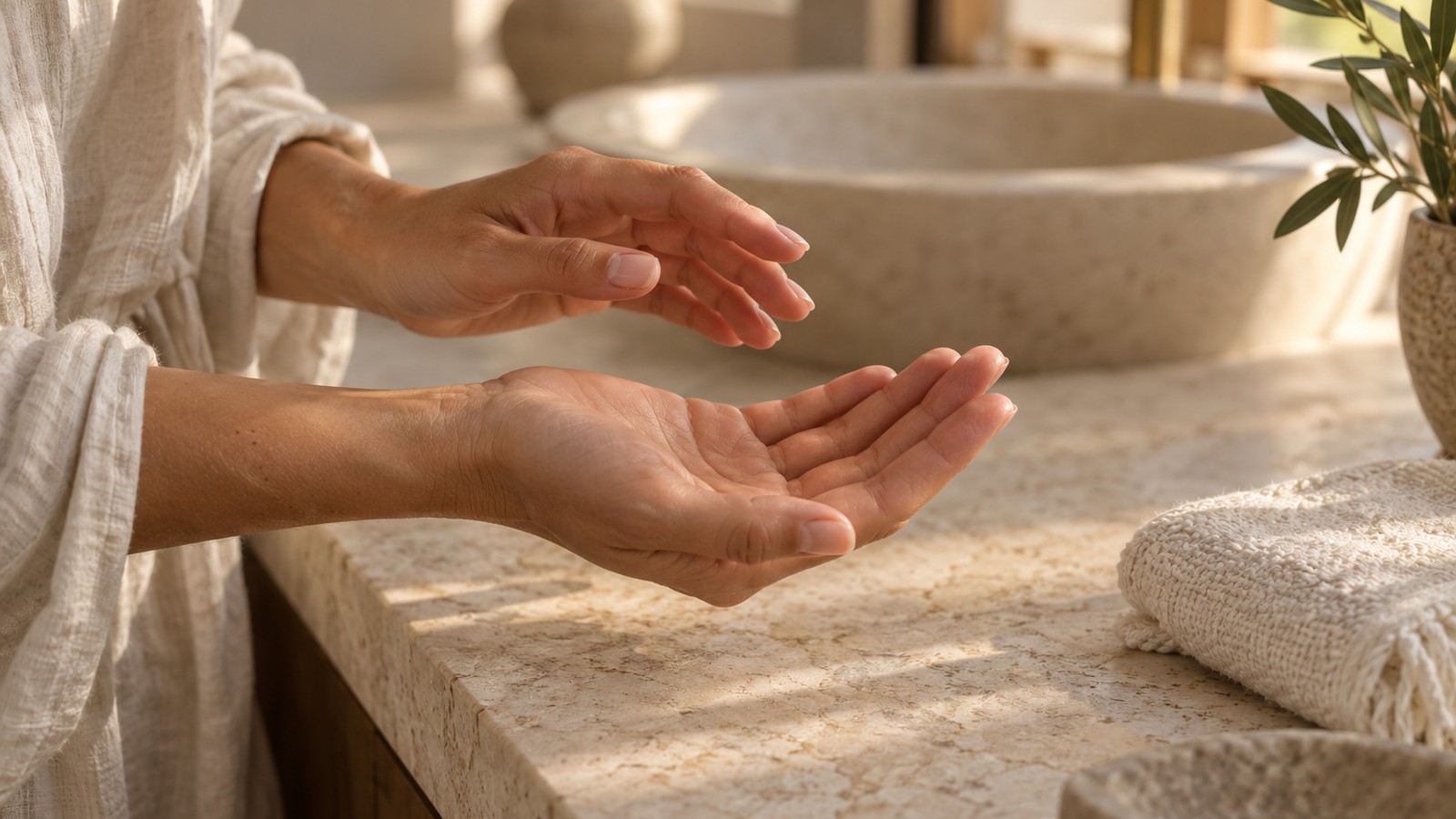
A body oil can have a lovely texture and still feel awkward to use if its bottle does not fit your routine. A dropper asks you to slow down and dispense a little at a time. A pump can make a larger application more convenient. Neither format is automatically better; the useful question is which one gives you comfortable control.
As cooler evenings bring longer sleeves and a more unhurried shower routine, small packaging details start to matter. This guide compares body oil pumps and droppers as everyday tools: how they dispense, what to check before buying, and why the formula and its original packaging belong together.
Pump vs. Dropper: The Short Answer
A dropper generally suits small, deliberate amounts. A pump can suit a routine where you want to dispense into your palm without repeatedly opening and closing a cap. The actual amount depends on the particular closure and the oil, so one pump is not equivalent to one dropperful.
Choose by the product directions, the areas where you plan to apply it, and how comfortably you can handle the bottle. Packaging is part of the experience, not a ranking of the formula inside.
What a Dropper Does Well
Starting with a small amount
A dropper makes it easy to begin with a few drops, spread them, and decide whether you want more. That can be useful when you prefer a light finish or only want oil on a small area. You do not need to fill or empty the entire pipette every time.
For a current Plumera example, Radiant Glow Botanical Face and Body Oil is listed in a 2 oz glass dropper bottle. Its directions call for a few drops on clean face or body skin, massaged in gently. That specific instruction is more helpful than borrowing a dose from a different bottle.
Seeing what you dispense
A transparent pipette lets you see the oil before releasing it. It can also help you notice when you have drawn less than expected. However, a plain dropper without measurement marks is not a precision measuring instrument. Drop size can vary with the oil and the opening.
Understanding the extra handling
The trade-off is that you have a loose cap and pipette while the bottle is open. Set the bottle on a stable, dry surface and keep the pipette tip off the counter and your skin. Dispense into a clean palm and replace the closure after use, following the label.
What a Pump Does Well
A simpler dispensing motion
A pump can be convenient when applying oil across arms or legs. With a suitable bottle standing securely on the counter, the dispensing motion may feel simpler than unscrewing a dropper and squeezing a bulb. The bottle’s stability and the resistance of the pump still matter.
Do not assume every pump works equally well with one hand. A narrow bottle may tip, a stiff mechanism may need more pressure, and an oily exterior can be slippery. Consider the whole package rather than the closure alone.
Keeping the bottle closed during use
A pump usually lets you dispense without removing the closure each time. That is a practical handling difference, but it does not mean every pump is an airless system or that the package guarantees a particular shelf life. Follow the maker’s storage instructions regardless of format.
Learning the output
Some pumps release a small amount; others deliver considerably more. Start cautiously and learn the bottle’s output rather than assuming a full press is the right amount. For more on adjusting application to your preferred finish, see our guide to how much body oil to use.
Five Details to Check Before You Buy
- The stated use: Choose a product intended for the area where you will apply it, and read its directions.
- The actual closure: Check the written packaging description, especially if a listing shows several sizes or older photos.
- The amount you normally want: A few deliberate drops and a larger body application involve different handling preferences.
- The bottle shape: Look for a size and shape you can grip and set down comfortably.
- The travel closure: A locking pump or screw cap is useful, but no unfamiliar bottle deserves blind trust inside your favorite bag.
If a product page leaves the closure unclear, ask the maker which format comes with the size you are ordering. That small question is more useful than guessing from a cropped image.
Should You Swap a Dropper for a Pump?
Not without checking compatibility. A closure can appear to screw onto a bottle yet still be a poor match. Thread dimensions, seals, the length of a pump’s dip tube, and the oil’s flow all affect how it works. A mismatched pump can leak or dispense unevenly.
Keep the original packaging unless the maker offers or confirms a compatible replacement. Avoid adding water to make an oil flow through a dispenser, and do not combine leftovers from different formulas. A packaging change should not become an improvised reformulation.
Make Either Format Easier to Live With
Give the bottle a stable home away from the edge of the sink. Keep the exterior free of oily residue, close it after use, and store it according to its label. Our guide to storing body oil at home covers the everyday placement questions that apply to both formats.
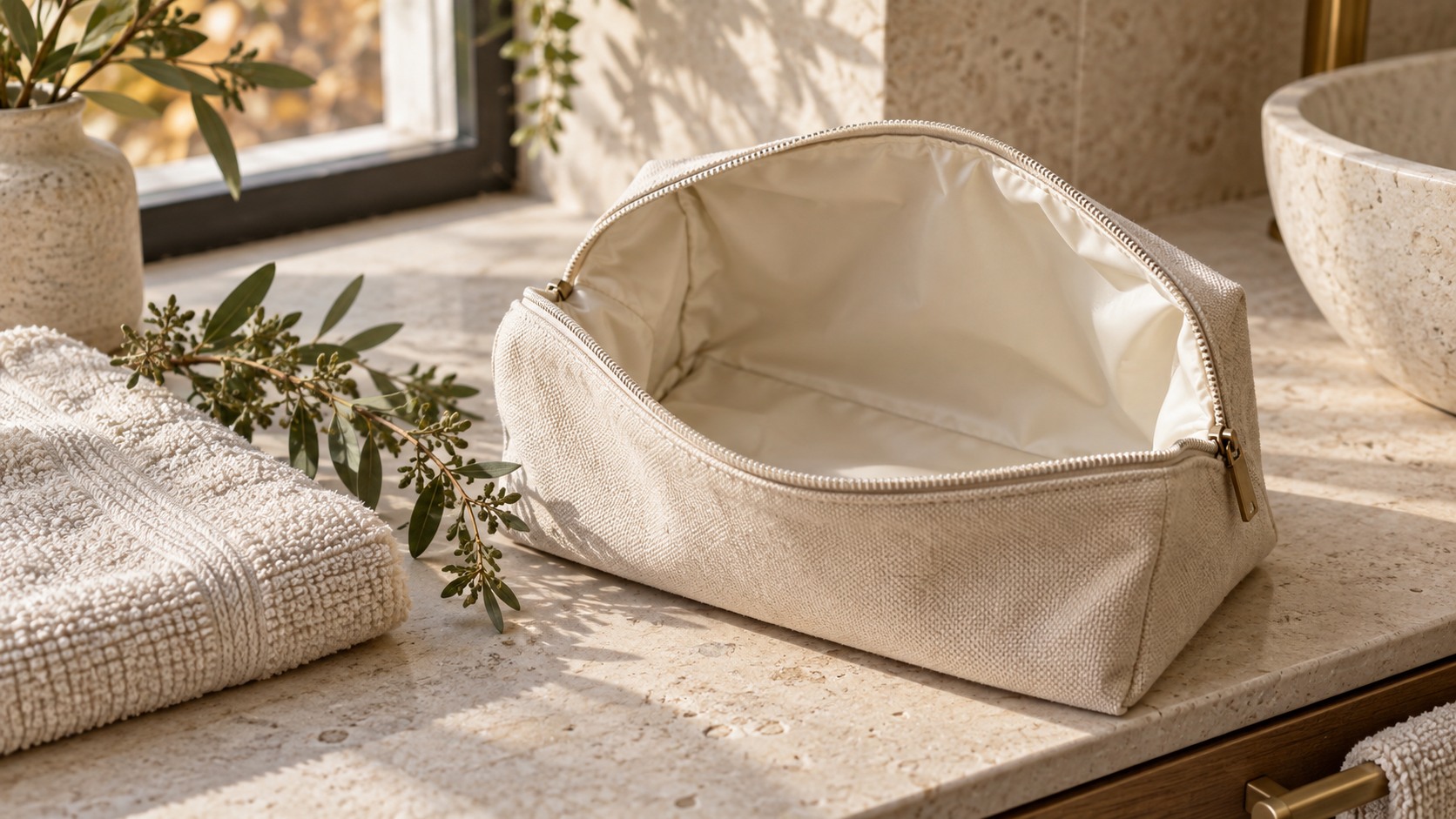
For travel, check that the closure is secure, keep the bottle upright where practical, and use a separate pouch for possible leaks. Do not assume a pump lock makes a package leakproof. If you need a smaller size, a maker-supplied travel option keeps the label and packaging matched.
The Best Dispenser Is the One You Enjoy Using
A dropper can make a small application feel deliberate; a pump can simplify a more generous routine. Start with the formula’s directions, then choose the handling style that fits your space and preferences. When exploring Plumera’s oils, read the packaging details alongside the scent and ingredient description. Simple care works best when even the small motions feel easy.