What Is Activated Charcoal in Handmade Soap? A Simple Ingredient Guide
- Posted by
Allison Savino
Some ingredients whisper. Activated charcoal makes an entrance.
Its inky color gives handmade soap a bold, earthy look, but the ingredient itself is remarkably simple. If you have ever wondered why charcoal appears in artisan bars—or whether a dark bar belongs in an everyday routine—this guide offers a clear, cosmetic-safe introduction without the dramatic promises.
What is activated charcoal?
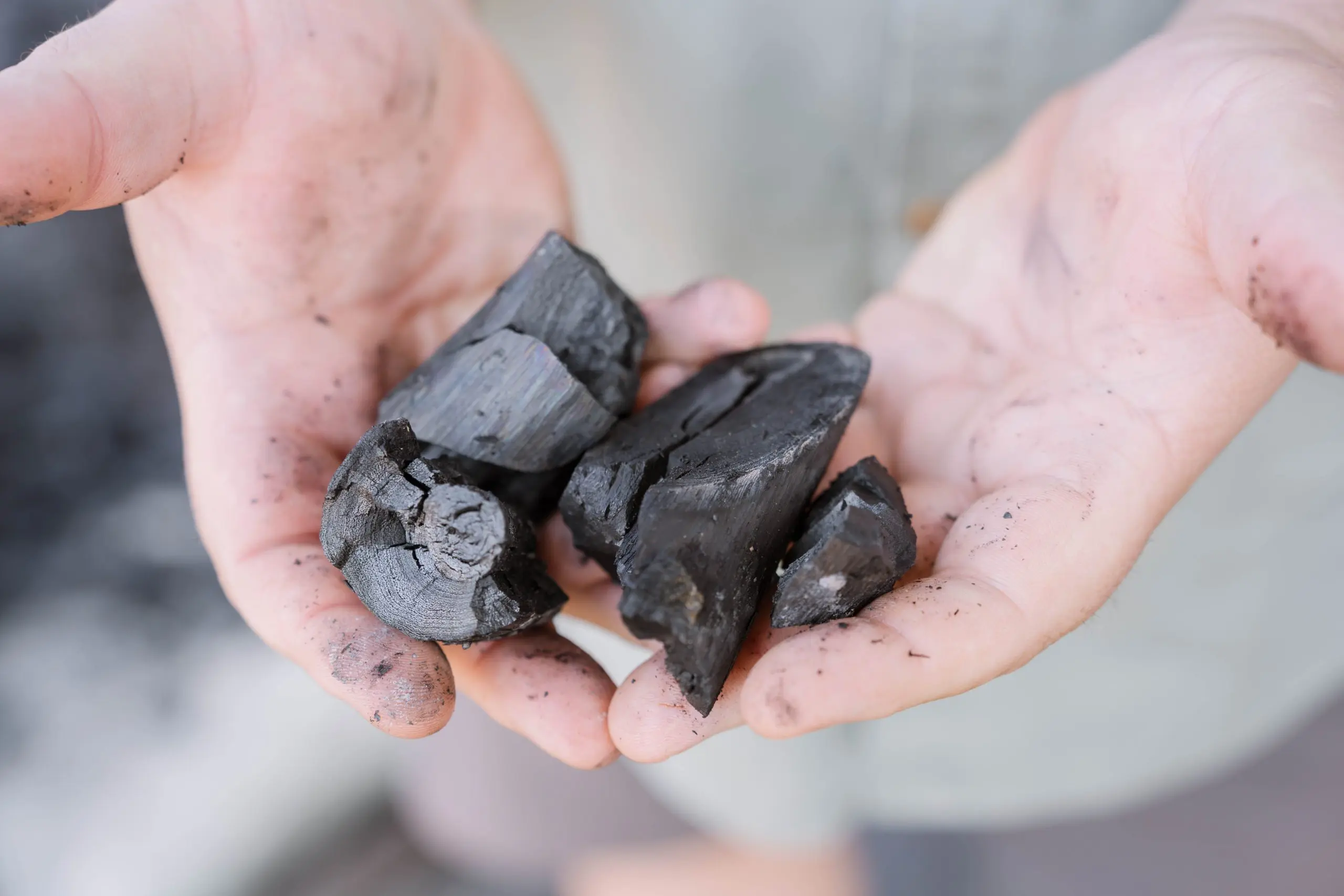
Activated charcoal is a fine, dark powder made from carbon-rich materials that have been processed to create a highly porous structure. In personal-care formulas, it is used in carefully measured amounts and dispersed through the rest of the recipe.
The word “activated” describes how the charcoal is processed; it does not mean the ingredient is buzzing with energy or performing a complicated skin transformation. In handmade soap, its most immediately noticeable contribution is visual: it can turn a pale soap base gray, graphite, or nearly black.
Curious about the broader building blocks behind Plumera formulas? The Plumera ingredient guide is a useful place to explore the plant oils, butters, botanicals, and other thoughtfully chosen components found across the collection.
Why makers add activated charcoal to handmade soap
It creates naturally dramatic color
Charcoal gives soap makers a rich neutral color without relying on a neon palette. Depending on the amount used and the surrounding recipe, the finished bar may look softly marbled, smoky, slate gray, or deep black. That variation is part of the small-batch appeal: two pours can share a formula while showing slightly different swirls.
It supports an earthy ingredient story
Dark charcoal pairs naturally with woodsy, herbal, resinous, and mineral-inspired scent profiles. Cedarwood, fir, sage, citrus, and similar notes can feel especially at home beside its visual character. The result is a bar that looks grounded before the first lather even begins.
It adds fine texture to the formula
Activated charcoal is milled into a fine powder, so a well-made bar should feel cohesive rather than gritty. The exact experience depends on the full recipe—not one fashionable ingredient. Oils, butters, water, scent, colorants, and the maker’s process all work together to shape the finished bar.
What activated charcoal does not tell you
A black bar is not automatically harsher, stronger, or better than a cream-colored one. Color alone cannot tell you how a soap will feel, how strongly it is scented, or whether its fragrance suits you.
That is why the complete ingredient list matters. Instead of shopping by a single headline ingredient, look at the formula as a whole. Our guide to reading a handmade soap ingredient list explains how to notice the base oils, butters, scent components, and decorative additions without turning the label into homework.
It is also wise to skip exaggerated “detox” language. Handmade soap is a rinse-off cosmetic meant for cleansing. A simple promise is enough: enjoyable lather, an appealing scent, and a routine that helps skin feel comfortably cared for.
Will charcoal soap leave a mess?
Dark lather can look surprising, especially the first time you use a charcoal bar. In a balanced formula, it should rinse away with water, just as the lather from other colored soaps does. Still, a few practical habits keep the experience tidy:
- Rinse the tub, shower wall, or sink after use rather than letting dark suds dry in place.
- Keep the bar on a draining soap dish between showers.
- Let the bar air out instead of leaving it in standing water.
- Use a dark washcloth if you prefer not to see temporary gray lather on pale fabric.
Storage matters for every handmade bar, not only charcoal varieties. Good drainage helps the soap stay firm and ready for the next use.
How to choose a charcoal handmade soap
Start with scent, because that is the part of the routine you will notice every day. If you enjoy forest-inspired aromas, look for cedar, fir, sage, or other green and woodsy notes. If you prefer something brighter, charcoal can also sit beautifully beside citrus.
Next, read the full ingredient list and product description. Look for clear language about the soap base and aroma rather than oversized promises. Then consider your practical preferences: bar size, scent strength, color, and how the design will look in your bathroom.
For a Plumera example, Ironwood Forge Natural Soap includes activated charcoal within a woodsy small-batch formula. Its dark appearance and forest-led scent story make it an easy reference point for understanding how charcoal can support both color and character without becoming the entire story.
A simple way to use charcoal soap
There is no elaborate ritual required. Wet the bar, work up a lather with your hands or preferred bath accessory, cleanse, and rinse well. Place the bar somewhere with airflow afterward. That is the whole routine—simple enough for a weekday morning and pleasant enough for a slower evening shower.
If you are trying a charcoal bar for the first time, rotate it with another handmade soap scent. This keeps the bathroom interesting and helps you learn whether you prefer crisp, floral, citrus, or woodsy profiles at different moments of the day.
The takeaway
Activated charcoal brings visual depth, an earthy point of view, and a fine-powder texture to handmade soap. It is not a shortcut to understanding a formula, and it does not need exaggerated language to be interesting. The best charcoal bar is simply one with a thoughtfully composed recipe, a scent you enjoy, and a place to dry between uses.
Explore Plumera’s small-batch soap world when you are ready for a bar that makes an everyday routine feel a little more intentional—because beauty through simplicity can still look wonderfully bold.