What Does Clary Sage Smell Like? A Soft Herbal Scent Guide
- Posted by
Allison Savino
Clary sage is one of those fragrance notes that can make a familiar soap smell a little more interesting without announcing exactly why. It is green and herbaceous, often with a soft floral edge and a warm, woody undertone. If the word “sage” makes you picture a holiday kitchen, there is more to the story.
This guide is about the scent of clary sage, not a list of wellness promises. As fall routines shift toward warmer fragrances, understanding this botanical note can help you choose between a leafy floral bar and something more forest-inspired. The useful question is simple: what kind of aroma do you enjoy using every day?
What does clary sage smell like?
The short answer is herbal, green, and gently woody. Clary sage can also seem softly sweet or floral, depending on the material and the other notes around it. Some people notice a tea-like quality; others focus on its earthy warmth. Those descriptions are scent impressions, not a promise that every finished soap will smell identical.
Think of an herb garden rather than a sugary dessert. There is freshness, but it is not necessarily the sharp brightness of lemon or the distinctly cool impression of mint. Clary sage often sits somewhere between leafy and rounded: enough green character to feel botanical, with softer edges than you might expect.
A quick scent vocabulary
- Herbaceous: reminiscent of aromatic leaves and garden herbs.
- Green: a leafy impression rather than a ripe-fruit sweetness.
- Woody: a warm, dry background that can connect with forest-style notes.
- Softly floral: a gentle floral nuance, not necessarily a full bouquet.
You do not need to detect every layer to enjoy the fragrance. A simple “I like this leafy part” is a perfectly useful scent review.
Clary sage is not the same as kitchen sage
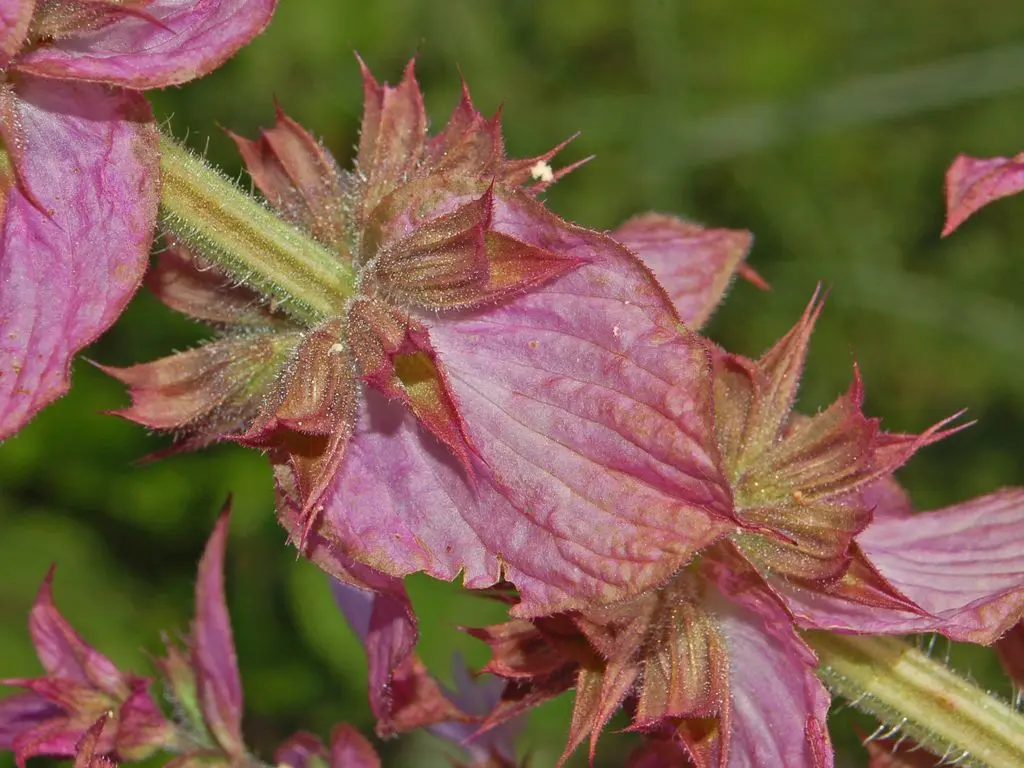
Clary sage is commonly identified botanically as Salvia sclarea. Common culinary sage is a different species, usually identified as Salvia officinalis. A shared everyday name does not make their aromas interchangeable.
That distinction matters when shopping online. A product described simply as “sage” may be referring to a particular botanical ingredient, a fragrance impression, or a blend. Read the full scent description and ingredient list rather than assuming it will smell like the dried herb in your pantry. For a finished soap, the combination of notes is more helpful than a single ingredient name.
Why clary sage smells different from one soap to another
A scent note is a contributor, not the whole composition. Pair clary sage with florals and its green character may become a subtle counterpoint. Put it beside cedarwood and evergreen notes and the same herbaceous quality can feel more forest-like. Neither interpretation has to smell like clary sage on its own.
The finished formula also matters. A dry bar and a bar being lathered are different smelling experiences, and the aroma you notice during washing is not a guarantee of a lasting fragrance afterward. Judge a soap as an everyday wash, not as a substitute for perfume.
For a broader explanation of how fragrant ingredients become part of a bar, explore our guide to how handmade soap gets its scent. It is a useful companion when a label lists several aromatic ingredients and you are trying to picture the overall result.
Two Plumera scent directions that include clary sage
For a floral blend: Rose Neroli
Rose Neroli Natural Soap combines rose and neroli florals with clary sage. In that setting, the herbal note rounds out the floral character rather than turning the bar into a straightforward garden-herb scent.
This is a direction to consider if you like flowers but prefer a little green contrast. Read the complete product description before choosing: liking one listed note does not automatically mean the entire blend will be your favorite. Rose and neroli remain important parts of the picture.
For a forest-inspired blend: Ironwood Forge
Ironwood Forge Natural Soap brings clary sage together with cedarwood and Siberian fir needle. The current product description presents a warm, earthy, forest-inspired profile, with clary sage contributing an herbaceous edge.
This pairing makes sense for someone who gravitates toward woodsy aromas rather than a floral-forward wash. It also shows why choosing a fragrance by a single note can be misleading: two soaps can share clary sage and still have quite different personalities.
How to decide whether the scent suits you
Start with what you already enjoy. If leafy, herbal, or woody fragrances regularly appeal to you, a clary-sage-containing blend may be worth considering. If you prefer very sweet fruit or dessert-style aromas, check what accompanies the clary sage instead of expecting it to supply that sweetness.
- Read the whole scent description. Look for the leading floral, citrus, herbal, or woody character.
- Check the complete ingredient list. A botanical fragrance note does not describe every ingredient in the bar.
- Choose one direction first. Floral-green and forest-herbal are useful starting points without building an entire scent wardrobe.
- Notice the everyday experience. Follow the product directions and decide whether you enjoy the aroma while washing.
For gifts, use the recipient’s known preferences rather than assuming an herbal scent is universally appealing. A familiar fragrance family is often a more thoughtful starting point than the newest ingredient name.
A small note with plenty of character
Clary sage is worth knowing because it helps explain the space between floral and woodsy: green, softly rounded, and distinctly herbal. It does not need a grand promise to earn its place in a well-chosen soap.
When you are ready to explore, compare the complete Rose Neroli and Ironwood Forge descriptions and choose the direction that sounds most like you. One thoughtfully selected bar can be enough to make an everyday wash feel a little more personal. Beauty Through Simplicity starts there.
Photo: Hectonichus, Salvia sclarea, via Wikimedia Commons, CC BY-SA 3.0. Original photograph; displayed at responsive sizes.