What Does Vetiver Smell Like? An Earthy Soap Scent Guide
- Posted by
Allison Savino
Some soap scents announce themselves with bright citrus or a sweet floral note. Vetiver takes a different route: earthy, woody, sometimes smoky, with a freshness that can feel unexpectedly crisp. If you enjoy autumn’s quieter palette but do not want every shower to smell like dessert, it is a useful scent name to recognize.
What does vetiver smell like in handmade soap? The short answer is a rooty, woodsy aroma whose character depends on the blend. This guide explains the vocabulary, separates a scent description from an ingredient list, and helps you decide whether that earthy direction belongs in your everyday routine.
What is vetiver, and where does its scent come from?
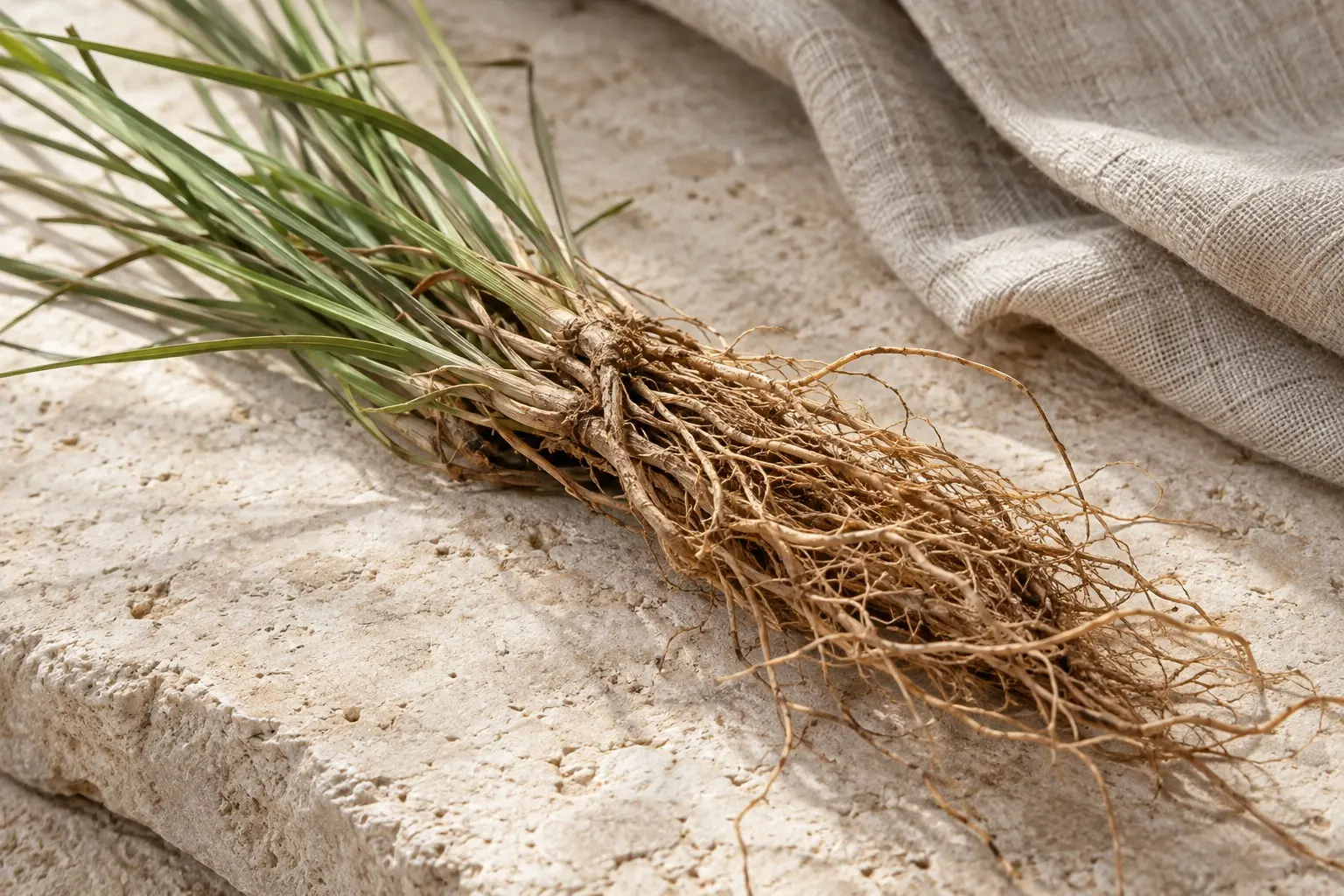
Vetiver is a grass, but its familiar aromatic oil comes from the roots rather than the green blades. Those roots are distilled to produce an essential oil used in fragrance. The contrast is part of its appeal: the plant looks grassy, while the aroma often suggests wood, earth, and dry roots.
Not every vetiver oil smells identical. Growing origin and processing can influence its character, and a finished fragrance adds another layer of variation. One blend may emphasize dry wood; another may feel greener, smokier, or closer to the bright bitterness of grapefruit peel. Think of vetiver as a scent family with range, not one fixed smell.
Four words that help describe vetiver
Earthy
Earthy can suggest damp soil, roots, or the shaded ground beneath plants. In a fragrance description, it does not mean that a soap is dirty or contains soil. It describes an impression. If you like garden aromas more than sugary ones, this may be the part of vetiver that catches your attention.
Woody
The woody side can feel dry, smooth, or softly warm. It gives a blend depth without necessarily making it heavy. Imagine the difference between a bright citrus peel and a piece of dry wood: vetiver can help bring those two impressions into the same scent.
Smoky
Some vetiver profiles have a noticeable smoky edge; others are much less smoky. Do not assume that every bar described as vetiver will smell like a campfire. Look for the full description. Words such as fresh, green, smoky, or dark tell you more than the ingredient name alone.
Fresh
Fresh may sound surprising beside earthy and smoky, but vetiver can have a bright, airy side. In a citrus-led blend, that contrast may be especially noticeable. Fresh is an aroma description here, not a promise about how a product performs on skin.
Vetiver, cedarwood, and patchouli are not interchangeable
These names often appear near each other in woodsy fragrance descriptions, but they offer different reference points. Cedarwood commonly suggests dry wood or pencil shavings. Patchouli often reads earthy and rich. Vetiver can connect rooty earthiness with a drier woody impression and, in some profiles, a grapefruit-like brightness.
These are helpful comparisons rather than rigid rules. A maker can blend any of them with florals, citrus, or other aromatic materials, changing the overall result. Your own associations matter, too. Someone may describe a scent as forest-like while another person notices its sharper green edge first.
For a broader shopping framework, our guide to choosing handmade soap by scent family explains how to use descriptive words without needing a perfumer’s vocabulary.
What a vetiver note tells you—and what it does not
A product’s scent name is not the same thing as its ingredient list. A vetiver note describes the aroma the maker wants you to notice. The ingredient list is where you check the materials disclosed for that particular formula. Read both rather than assuming every vetiver-scented bar uses the same aromatic ingredients.
The scent description also does not tell you how bubbly the lather will be, how textured the bar feels, or how long the fragrance will stay noticeable after rinsing. Those are separate questions. Handmade soap is a rinse-off product, so avoid shopping for it as though it were a long-wearing perfume.
Likewise, a deep or earthy aroma is not a measure of a soap’s quality. Choose the whole bar: its listed ingredients, intended use, texture, size, and scent. A dramatic fragrance name can be interesting; a clear description is more useful.
How to explore a woodsy direction with Plumera
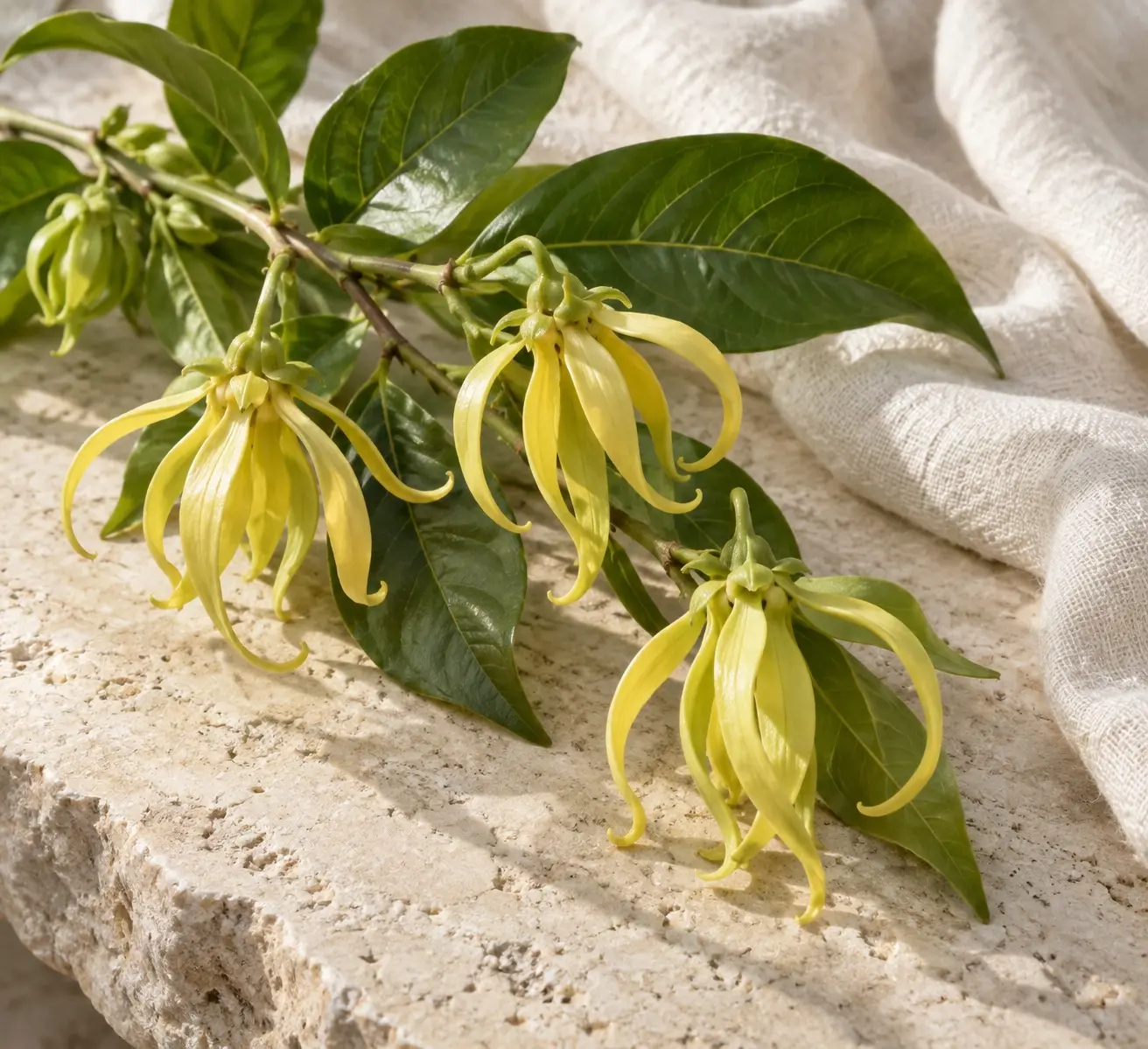
If vetiver’s earthy character sounds appealing, use it as a clue about the scent family you might enjoy—not as a reason to assume it appears in every woodsy soap. Plumera’s Cedar Bergamot Natural Soap offers a different woodsy-citrus pairing: bergamot with cedarwood, lavender, and ylang ylang.
Its current ingredient list does not list vetiver. That distinction matters. It is a related direction to explore, not a vetiver substitute or a claim that the two smell identical. The product description also identifies pumice, so consider the bar’s texture alongside its fragrance.
A simple checklist before choosing your next bar
- Choose your preferred emphasis. Would you rather smell dry wood, green freshness, citrus, or a smoky edge?
- Read the whole blend. The supporting notes can make an earthy fragrance feel brighter or richer.
- Check the actual formula. Use the current ingredient list rather than guessing from a scent name.
- Keep expectations practical. Choose a soap you will enjoy using, not a fragrance promise it was never designed to make.
Ready to explore? Browse Plumera’s handmade bar soap collection and compare the scent descriptions at your own pace. You do not need to love every botanical note. Knowing which ones you enjoy is enough to make everyday care feel more personal—and a little simpler.