
Rice Bran Oil in Handmade Soap: A Simple Ingredient Guide
-
Posted by
Allison Savino
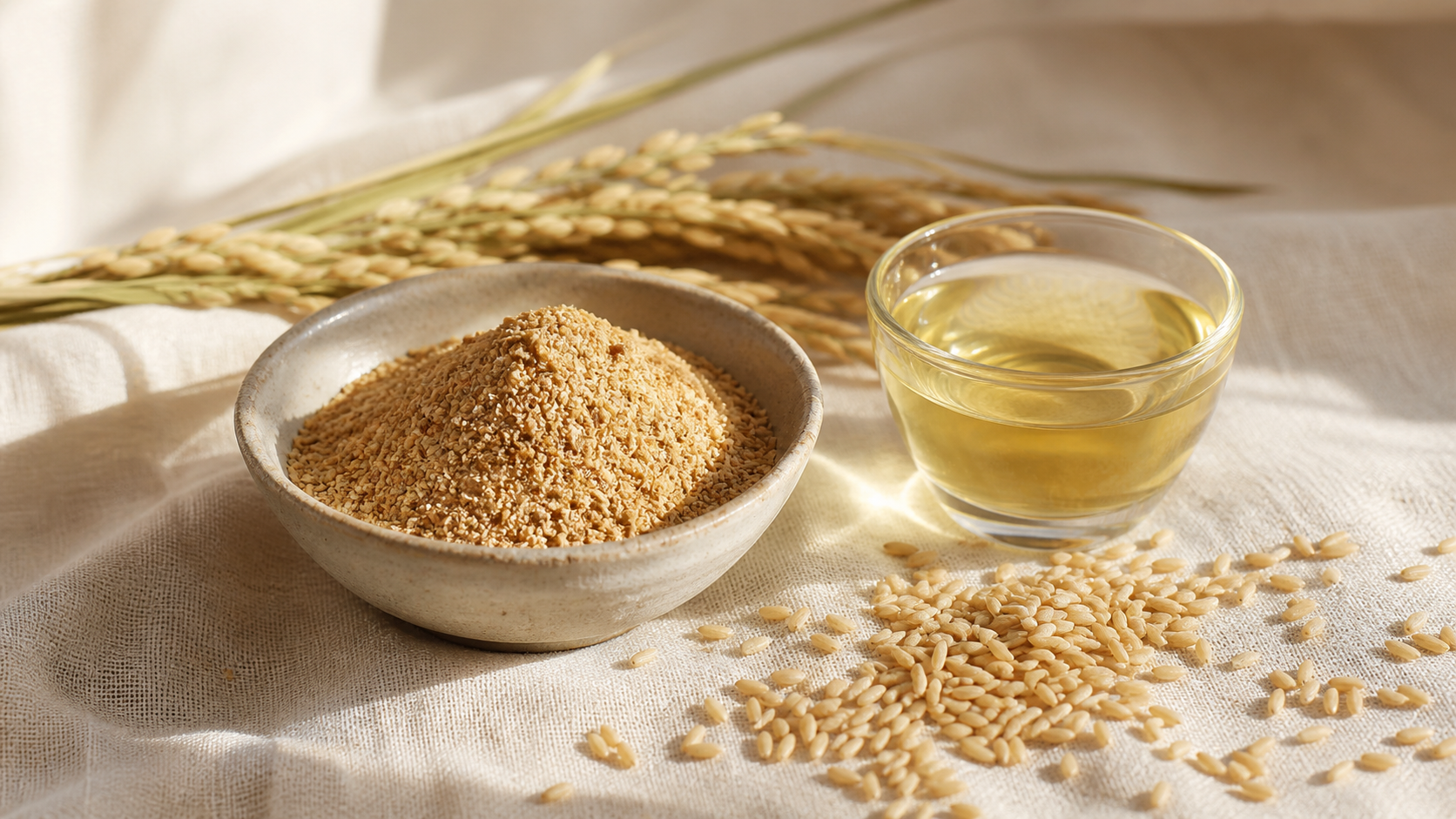
A handmade soap ingredient list can look wonderfully simple and still leave you with questions. One name that may appear is rice bran oil—a lightweight plant oil made from the outer layer of the rice grain. It is familiar in kitchens, but soapmakers also value it for the smooth, balanced character it can bring to a finished bar.
If you are comparing handmade soaps or simply enjoy knowing what goes into your routine, this guide explains what rice bran oil is, why makers choose it, and how to read it on a label without turning your bathroom into a chemistry lecture.
What is rice bran oil?
Rice bran is the nutrient-rich outer layer removed when brown rice is milled into white rice. Oil can be extracted from that bran, then refined or filtered for use in food, personal care, and soapmaking. The result is typically a pale gold oil with a light texture and a subtle natural aroma.
In cosmetic ingredient lists, you may see it written as Oryza sativa (rice) bran oil. The Latin plant name is standard ingredient-label language; it is not a different or more mysterious substance. Plumera’s ingredient guide is a useful place to explore the plain-English side of plant oils and botanicals.
Why do soapmakers use rice bran oil?
Handmade soap is built from a thoughtful balance of oils rather than one “star” ingredient doing everything. Each oil contributes its own fatty-acid profile, and the full recipe determines qualities such as firmness, lather, and how the bar feels during use.
1. A smooth, conditioning feel
Rice bran oil is often chosen for the soft, conditioning character it can contribute to a soap recipe. In a well-balanced bar, it helps create a comfortable glide and a pleasing after-rinse feel. That makes it an appealing supporting oil for makers who want everyday soap to feel polished rather than fussy.
2. A light texture in the formula
Compared with heavier-feeling plant butters, rice bran oil has a relatively light texture. Soapmakers can pair it with firmer oils and butters to shape the overall personality of a bar. Think of it as part of the ensemble: not necessarily the loudest note, but one that helps the whole composition feel more balanced.
3. A practical plant-based option
Rice is grown widely, and the bran is a by-product of milling. Using the oil in personal-care formulas can make thoughtful use of a material that already comes from food production. Sourcing and processing standards still matter, but the ingredient fits naturally into the broader conversation around intentional, plant-forward formulation.
Does rice bran oil make every handmade soap the same?
No. Two bars can both list rice bran oil and feel quite different because the rest of the formula matters. The amount used, the companion oils, the water ratio, the scent blend, and the maker’s process all influence the final result.
That is one reason small-batch soap can be so interesting. A maker may combine rice bran oil with olive oil, coconut oil, castor oil, or plant butters, then adjust the balance to create the desired firmness and lather. The ingredient list tells you what is present, but the complete recipe tells the deeper story.
How to spot rice bran oil on an ingredient list
Look for “rice bran oil” or Oryza sativa bran oil. Ingredients are generally listed in descending order by weight before the soapmaking process, though labelling formats can vary. If you have a question about a particular bar, ask the maker directly rather than relying on assumptions from one ingredient name.
Our guide to reading a handmade soap ingredient list can help you understand common naming conventions and compare formulas with more confidence.
What should shoppers consider beyond one oil?
Ingredient education is useful, but a good handmade soap choice is rarely about chasing a single fashionable oil. Consider the full experience:
- Scent: Do you prefer citrus, mint, florals, woods, or an unscented option?
- Routine: Is the bar intended for the shower, handwashing, travel, or gifting?
- Storage: Will the bar have a draining dish and enough airflow between uses?
- Transparency: Does the maker provide a clear ingredient list and answer questions plainly?
- Personal preference: Do you enjoy a creamy lather, bigger bubbles, a firm bar, or a softer sensory feel?
These practical details often matter more in daily life than whether a formula contains the ingredient currently having its moment online. Clean beauty should make a routine easier to understand, not turn it into a scavenger hunt.
Is rice bran oil right for your routine?
Rice bran oil can be a thoughtful soapmaking ingredient, especially when it is used as part of a balanced formula. Still, no single ingredient guarantees how a finished bar will feel for every person. Read the complete list, consider your scent and texture preferences, and introduce unfamiliar products one at a time.
If you are exploring simple, small-batch bath care, browse Plumera’s collection of handmade bar soaps. Each bar brings its own scent, colour, and ingredient story to an everyday ritual.
Beauty through simplicity
Rice bran oil is a lovely example of why ingredient education matters: a humble part of a familiar grain can play a useful supporting role in a carefully made soap. Understanding that role makes it easier to shop thoughtfully, appreciate the maker’s craft, and choose a routine that feels refreshingly uncomplicated.
Beauty Through Simplicity — Better for you & better for the environment.